Nursing Practical Kit – Essential Tools for Nursing Students & Professionals
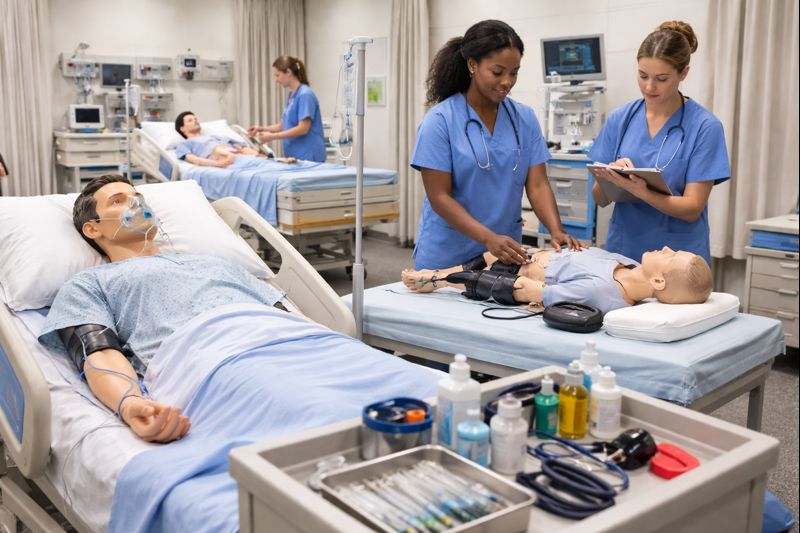
nursing practical kit
Nursing Practical Kit: The Complete Guide for Students and Professionals
A nursing practical kit is an indispensable companion for every nursing student and healthcare professional. It provides the essential tools needed for clinical practice, laboratory exercises, and real-world patient care. In this comprehensive guide, we’ll explore everything you need to know about nursing practical kits, including their components, benefits, how to choose the best one, and tips for using it effectively.
What is a Nursing Practical Kit?
A nursing practical kit is a collection of medical instruments and supplies designed to help nursing students and professionals perform essential clinical tasks. These kits are often compact, portable, and organized to make it easy for users to carry and access their tools. Whether for practice at home, in a nursing lab, or during clinical rotations, these kits help students develop hands-on skills in a safe and controlled environment.
Importance of a Nursing Practical Kit
Hands-on Learning: Helps students practice clinical procedures before performing them on real patients.
Skill Mastery: Reinforces theoretical knowledge through practical application.
Preparedness: Ensures students are ready for lab sessions, exams, and hospital rotations.
Confidence Building: Familiarity with tools reduces anxiety during practical assessments.
Essential Components of a Nursing Practical Kit
A well-equipped nursing practical kit should include instruments and supplies that cover a wide range of nursing procedures. Here’s a detailed breakdown:
1. Stethoscope
The stethoscope is one of the most critical tools in any nursing kit. It allows nurses to:
Monitor heart and lung sounds
Check blood pressure in combination with a sphygmomanometer
Assess bowel sounds and other vital functions
2. Sphygmomanometer (Blood Pressure Monitor)
A reliable sphygmomanometer is essential for accurate blood pressure readings. Digital versions are beginner-friendly, while manual devices are preferred in clinical settings for precision.
3. Thermometer
Temperature measurement is a fundamental nursing task. Kits typically include:
Digital thermometers: Fast and accurate
Mercury thermometers: Traditional, reliable, and durable
4. Bandages, Gauze, and Dressing Materials
These are essential for wound care practice. Nursing students learn how to:
Apply dressings properly
Control bleeding
Maintain hygiene and prevent infections
5. Scissors, Forceps, and Tweezers
Precision tools are needed for:
Cutting bandages
Handling small instruments
Assisting in minor clinical procedures
6. Penlight
Used for pupil response assessment and throat or oral cavity examination.
7. Gloves and Protective Gear
Hygiene and safety are critical in nursing. Gloves, masks, and sometimes aprons are included to prevent contamination.
8. Practice Injection Tools
Some kits include syringes, demo needles, or injection pads for practicing:
Intradermal injections
Intramuscular injections
Subcutaneous injections
9. Reflex Hammer
Used to check reflexes and neurological responses in patients.
10. Pulse Oximeter
Measures oxygen saturation and pulse rate, which is vital for patient assessment.
Benefits of Using a Nursing Practical Kit
Using a nursing practical kit provides numerous advantages for students and professionals alike:
1. Practical Learning
Students can perform clinical procedures safely in a controlled environment, which strengthens their confidence and understanding of theoretical concepts.
2. Portability
These kits are designed for convenience. Students can carry them to clinical rotations, labs, or home study sessions.
3. Skill Development
Regular use allows learners to master procedures like injections, vitals assessment, wound care, and basic patient monitoring.
4. Readiness for Clinical Exams
Having a practical kit ensures that students are well-prepared for exams, practical assessments, and hands-on evaluations.
5. Cost-Effective
Instead of borrowing or purchasing individual instruments repeatedly, a complete kit provides all necessary tools in one package.
Who Should Use a Nursing Practical Kit?
A nursing practical kit is not just for students. The following groups can benefit from using one:
Nursing Students: Ideal for labs, clinical rotations, and skill-building exercises.
Registered Nurses: Portable kits allow professionals to carry essential tools for home visits or patient assessments.
Caregivers and Home Health Providers: Enables caregivers to perform basic health monitoring and minor care procedures safely.
Medical Trainees: Helpful for students in allied health programs like paramedics, midwifery, and medical assisting.
How to Choose the Right Nursing Practical Kit
When selecting a nursing practical kit, it’s important to consider several factors to ensure you get value and quality.
1. Quality of Instruments
Choose durable, reliable, and precise tools. Stainless steel instruments and high-quality plastics are preferred for long-lasting use.
2. Completeness of the Kit
A good kit should include all essential tools for practice. Check the list of items before purchase to avoid missing crucial components.
3. Portability and Storage
Look for kits with organized compartments or cases. Lightweight, compact designs make it easier to carry everything securely.
4. Hygiene and Maintenance
Ensure instruments can be cleaned and sterilized easily. Reusable items like scissors and forceps should be resistant to rust and corrosion.
5. Budget-Friendly Options
While it’s tempting to go for the cheapest option, prioritize quality over cost. A slightly higher investment can ensure a longer-lasting and safer kit.
Top Tips for Using Your Nursing Practical Kit
To make the most of your nursing practical kit:
Practice Regularly: Frequent hands-on practice improves confidence and skill retention.
Organize Your Kit: Keep items clean, sorted, and ready for use.
Follow Safety Guidelines: Always wear gloves and follow hygiene protocols.
Learn Proper Techniques: Use the kit in conjunction with textbooks or guidance from instructors.
Check Expiry Dates: Some items, like gloves or syringes, may have expiration dates. Replace as needed.
Popular Types of Nursing Practical Kits
Nursing practical kits come in different styles depending on your needs:
1. Student Nursing Kits
Designed for beginners, these kits focus on essential tools needed for labs and classroom practice. They are usually affordable and compact.
2. Professional Nursing Kits
These kits are more comprehensive, including advanced instruments such as pulse oximeters, reflex hammers, and high-quality stethoscopes.
3. Portable Travel Kits
Ideal for nurses who provide home care or work in multiple clinics. Lightweight cases and organized compartments make transport easy.
4. Specialized Kits
Some kits are tailored for specific fields like pediatric nursing, midwifery, or critical care, including tools necessary for those specializations.
How Nursing Practical Kits Enhance Learning
A nursing practical kit bridges the gap between theory and practice:
Simulation Practice: Students can simulate patient care scenarios to improve decision-making skills.
Error Reduction: Practicing on a kit reduces mistakes during real-life patient care.
Time Efficiency: With all tools in one place, students spend less time searching for equipment and more time learning.
FAQs About Nursing Practical Kits
Q1. Can I use a nursing practical kit at home?
Yes, these kits are portable and designed for safe practice at home. They help students refine skills without being in a clinical setting.
Q2. How much does a nursing practical kit cost?
Prices vary depending on quality and the number of items. Basic student kits start around $30–$50, while professional kits can cost $100 or more.
Q3. Are digital instruments necessary?
Digital tools like thermometers and sphygmomanometers are convenient for beginners. Professionals may prefer manual devices for accuracy.
Q4. How do I maintain my nursing practical kit?
Keep instruments clean, sterilize reusable items, and store the kit in a dry, secure place. Regular maintenance ensures longevity.
Q5. Can a nursing practical kit be used for exams?
Yes, most kits include the tools required for practical exams, including stethoscopes, bandages, and injection practice items.
Conclusion
A nursing practical kit is an essential investment for nursing students and professionals. It provides the tools needed to practice clinical skills, build confidence, and excel in exams and real-world patient care. By choosing a high-quality kit that fits your needs and using it regularly, you can enhance your learning experience and prepare for a successful nursing career.
Whether you are a beginner student or a seasoned professional, the right nursing practical kit ensures that you are ready to face any clinical challenge with competence and confidence.
Needs help with Nursing Assignment?
We are available 24x7 to deliver the best services and assignment ready within 3-4 hours? Order a custom-written, plagiarism-free paper
 Get Answer Over WhatsApp
 Order Paper Now