Emergency Nursing: Roles, Skills, and Best Practices for Life-Saving Care
emergency nursing
Introduction to Emergency Nursing
Emergency nursing is a highly specialized field within healthcare, dedicated to providing immediate and critical care to patients experiencing urgent medical conditions. These nurses operate in emergency departments (EDs), trauma centers, and pre-hospital care settings, responding to situations where every second counts.
Emergency nursing requires not only clinical expertise but also the ability to stay calm under pressure, make rapid decisions, and coordinate effectively with a healthcare team. Nurses in this field are often the first point of contact for patients facing life-threatening injuries or sudden illnesses.
Roles and Responsibilities of Emergency Nurses
Emergency nurses perform a wide range of duties, making them indispensable in urgent care settings. Their responsibilities include:
Patient Assessment: Quickly evaluating a patient’s condition, vital signs, and severity of illness or injury.
Triage Management: Prioritizing patients based on the urgency of their condition to ensure those in critical need receive immediate attention.
Emergency Interventions: Administering life-saving treatments such as CPR, wound care, IV fluids, and emergency medications.
Monitoring and Stabilization: Continuously observing patients for changes in condition and stabilizing them before further treatment or transfer.
Collaboration with Healthcare Teams: Working closely with doctors, paramedics, and specialists to coordinate care effectively.
Patient Education: Providing guidance to patients and families on post-emergency care, medication, and follow-up appointments.
Documentation and Reporting: Maintaining accurate medical records to ensure continuity of care and legal compliance.
Essential Skills for Emergency Nurses
To succeed in emergency nursing, professionals must develop a combination of technical, interpersonal, and critical-thinking skills. Key competencies include:
Clinical Knowledge: Understanding trauma, cardiac emergencies, respiratory distress, neurological conditions, and pediatric emergencies.
Rapid Decision-Making: Making quick, accurate decisions under pressure to save lives.
Communication Skills: Effectively interacting with patients, families, and multidisciplinary teams.
Stress Management: Maintaining composure in high-pressure, fast-paced environments.
Adaptability: Responding to unpredictable situations and sudden changes in patient conditions.
Technical Skills: Proficiency in using medical equipment, administering medications, and performing emergency procedures.
Education and Training Requirements
Emergency nursing typically requires a combination of formal education, licensure, and specialized training:
Registered Nurse (RN) Licensure: Completion of a nursing program (diploma, associate degree, or bachelor’s degree) and passing the NCLEX-RN exam.
Advanced Certifications: Certifications such as Advanced Cardiovascular Life Support (ACLS), Pediatric Advanced Life Support (PALS), and Trauma Nursing Core Course (TNCC) are highly recommended.
Continuing Education: Ongoing professional development to stay updated on best practices, medical advancements, and new emergency protocols.
Career Opportunities in Emergency Nursing
Emergency nursing offers a variety of career paths, including:
Emergency Department Nurse: Working in hospital EDs, handling a wide range of urgent medical conditions.
Trauma Nurse: Specialized care for patients with severe injuries from accidents, violence, or disasters.
Critical Care Transport Nurse: Providing emergency care during patient transport via ambulance or air medical services.
Pediatric Emergency Nurse: Caring for children in urgent and emergency medical situations.
Disaster Response Nurse: Assisting in mass casualty events, natural disasters, or epidemics.
Challenges in Emergency Nursing
While emergency nursing is rewarding, it comes with unique challenges:
High-Stress Environment: Constant exposure to life-or-death situations can be emotionally taxing.
Long and Irregular Hours: Shift work, night duties, and extended hours are common.
Physical Demands: Standing for long periods, lifting patients, and handling physically intensive tasks.
Emotional Strain: Dealing with trauma, patient deaths, and family grief can impact mental health.
Tip: Many emergency nurses manage stress through peer support, counseling, mindfulness, and regular exercise.
Best Practices for Emergency Nursing
To provide optimal care, emergency nurses follow several best practices:
Prioritize Triage Efficiency: Use evidence-based triage systems to ensure critical patients are seen promptly.
Maintain Situational Awareness: Constantly monitor the environment, equipment, and patient status.
Practice Clear Communication: Use structured handoffs and SBAR (Situation, Background, Assessment, Recommendation) techniques for effective teamwork.
Follow Infection Control Protocols: Adhere strictly to hygiene, PPE, and sterilization guidelines.
Engage in Continuous Learning: Stay updated on latest emergency protocols, medications, and procedures.
The Future of Emergency Nursing
The field of emergency nursing continues to evolve with advancements in technology, telemedicine, and emergency response systems. Key trends include:
Telehealth Integration: Remote monitoring and virtual triage for faster patient assessment.
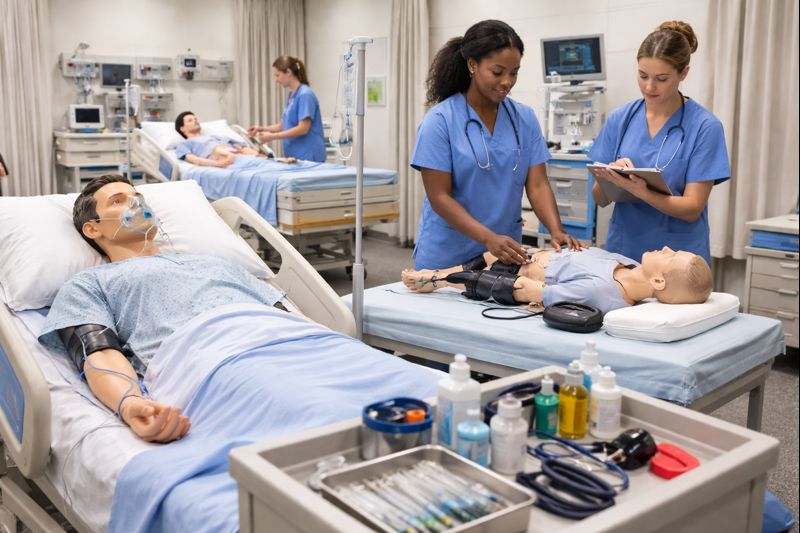
Simulation Training: Advanced simulations to prepare nurses for rare or complex emergencies.
Data-Driven Care: Using patient data and AI tools to predict and manage emergencies more effectively.
Focus on Mental Health: Increased support for nurses’ well-being and resilience in high-stress environments.
Conclusion
Emergency nursing is a dynamic, challenging, and deeply rewarding profession. Nurses in this field play a critical role in saving lives and providing compassionate care under pressure. With the right education, training, and skills, emergency nurses can thrive in diverse roles while making a profound impact on patient outcomes.
For anyone passionate about healthcare, quick decision-making, and helping people in critical situations, emergency nursing offers a fulfilling and impactful career path.
Needs help with Nursing Assignment?
We are available 24x7 to deliver the best services and assignment ready within 3-4 hours? Order a custom-written, plagiarism-free paper
 Get Answer Over WhatsApp
 Order Paper Now

