Nursing Assignment Solutions | Expert Help & Tips for Students
 Nursing Assignment Solutions: The Complete Guide for Students
 Nursing
 In today’s competitive academic environment, nursing students are consistently challenged with complex coursework, clinical reflections, case studies, research projects, and critical care assignments. Navigating these tasks successfully requires more than just textbook knowledge — it demands structure, insight, and efficient nursing assignment solutions that support academic excellence. This guide provides a comprehensive look at strategies, tools, tips, and best practices to help nursing students deliver high‑quality work, on time and with confidence.
What Are Nursing Assignment Solutions?
Nursing assignment solutions are structured guides, plans, templates, or examples that help students complete their nursing coursework. These can include:
Sample essays and clinical case reports
Step‑by‑step frameworks for care plans
Evidence‑based research analyses
APA‑formatted reference templates
Critical thinking strategies
Good solutions don’t just fix one assignment — they teach students how to think like a nurse, integrating theory with practice.
Why Nursing Students Need Effective Assignment Support
Students in nursing programs juggle clinical rotations, exams, care planning, lab skills, and interpersonal communication — which leaves limited time for written assignments. Effective nursing assignment solutions help students:
✔ Understand complex healthcare topics
✔ Meet stringent academic standards
✔ Improve clinical reasoning and documentation skills
✔ Reduce stress and avoid last‑minute rushes
✔ Achieve higher grades
When done correctly, quality assignment support isn’t cheating — it equips students with transferable skills nurses use in real care settings.
Top 10 Common Nursing Assignments
Every nursing student will encounter most — if not all — of these:
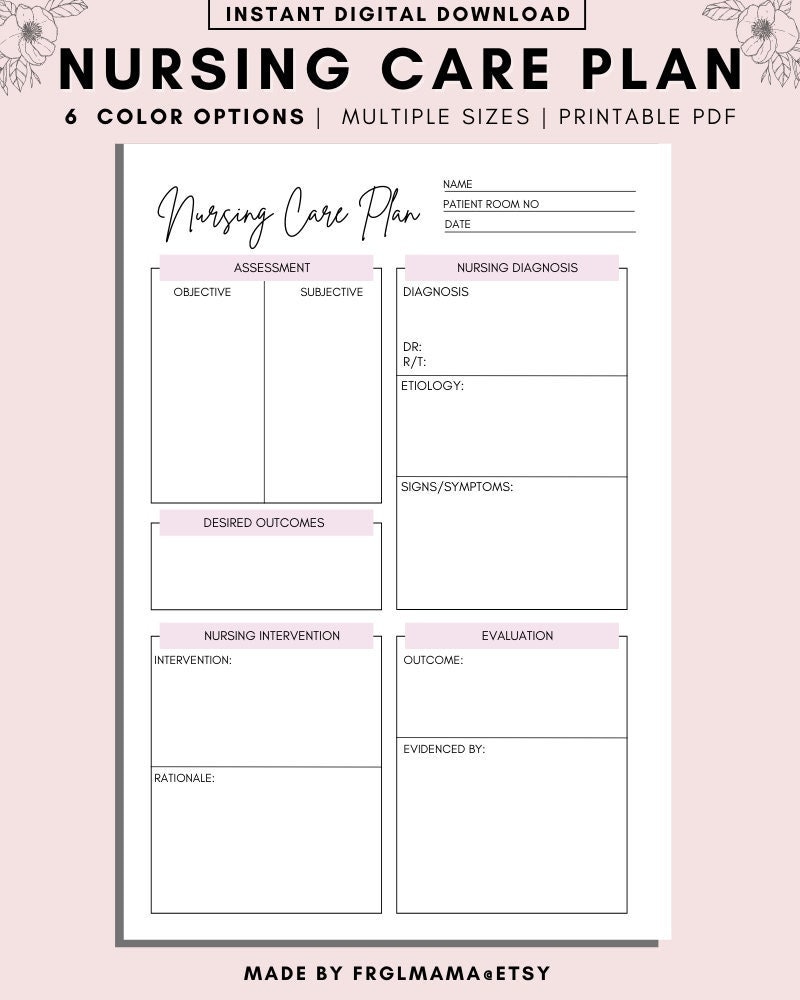
Care Plan Assignments
Structured patient care strategies based on assessment and diagnosis.Case Study Reports
Real‑world patient scenarios requiring critical reasoning.Evidence‑Based Practice Papers
Research‑focused essays outlining best practice recommendations.Reflective Journals
Personal reflections on clinical experiences and learning moments.Nursing Research Projects
Data‑driven investigations into healthcare trends.Pharmacology Assignments
Drug calculations, therapeutic effects, and patient safety considerations.Leadership and Management Essays
Roles of nurse leaders in healthcare settings.Medical Terminology Quizzes
Precise use of clinical language.Care Ethics and Legal Issues Papers
Applying professional standards and patient rights.Simulation Scenario Write‑ups
Analysis of simulated patient care events.
Understanding these formats ensures you can approach each with the right structure, tone, and academic rigor.
The Structure of High‑Quality Nursing Assignments
The foundation of any strong academic submission is a well‑organized format. Here’s the typical structure used in most nursing assignment solutions:
1. Title Page
Include:
✔ Assignment title
✔ Student name & ID
✔ Course code & instructor
✔ Submission date
2. Introduction
Set the stage for your topic:
📌 Purpose of the assignment
📌 What will be covered
📌 Relevant nursing theory or context
3. Body
This is where you demonstrate your knowledge. Key elements may include:
✔ Assessment data and care needs
✔ Evidence‑based interventions
✔ Organizational care standards
✔ Critical analysis
4. Discussion
Show synthesis of theory and practice:
✔ Interpret your findings
✔ Contrast different viewpoints
✔ Relate to current research
5. Conclusion
Summarize main learning points and implications for clinical practice.
6. References
Follow academic style guides such as APA or Harvard. Use credible sources like PubMed, CINAHL, and nursing journals.
This structure ensures clarity, coherence, and academic legitimacy.
Step‑by‑Step Guide to Nursing Assignment Solutions
Here’s a practical workflow you can follow for any type of nursing assignment:
Step 1: Understand Your Assignment Prompt
✦ What is being asked?
✦ Are there specific case details?
✦ What formatting is required?
Tip: Highlight keywords like “analyze,” “compare,” “evaluate,” “describe,” and “justify.”
Step 2: Perform Focused Research
Use reputable nursing sources such as:
✔ Peer‑reviewed journals
✔ WHO, CDC, NIH guidelines
✔ Textbooks
✔ Evidence‑based nursing databases
Avoid overly commercial or unverified sites.
Step 3: Create a Mind Map or Outline
Listing key points improves organization:
Theme
Main arguments
Supporting evidence
Tools for care planning
Outlines save time and reduce revision later.
Step 4: Write the Draft
Don’t worry about perfection. Focus instead on:
✔ Clear paragraphs
✔ Logical flow
✔ Clinical relevance
Make sure to cite sources as you write — this prevents plagiarism.
Step 5: Edit and Proofread
Check for:
✨ Grammar, spelling, and punctuation
✨ APA or your required citation style
✨ Readability — does it make sense to a nurse reader?
Use tools like Grammarly, Hemingway Editor, or citation managers like Zotero.
Essential Tips for Better Nursing Assignment Solutions
✔ Use Evidence‑Based Information
Always support statements with research. Outdated or opinion‑based content weakens credibility.
✔ Avoid Plagiarism
Paraphrase, cite correctly, and use plagiarism checkers to ensure originality.
✔ Apply Theoretical Frameworks
Link real examples with nursing models like:
✔ Orem’s Self‑Care Theory
✔ Peplau’s Interpersonal Relations
✔ Henderson’s Need Theory
This strengthens academic depth.
✔ Integrate Clinical Reasoning
Show how you used assessment data to make care decisions. This is often where students lose marks.
✔ Proofread for Academic Tone
Keep it professional, clear, and concise. Avoid slang, contractions, and overly casual language.
Free Nursing Assignment Tools and Resources
Here are some tools that can improve your assignment quality:
🛠 Citation Tools:
✔ Zotero
✔ Mendeley
✔ EndNote
🛠 Grammar & Clarity:
✔ Grammarly
✔ Hemingway Editor
🛠 Research Databases:
✔ PubMed
✔ CINAHL
✔ Cochrane Library
These resources help maintain academic integrity and professional polish.
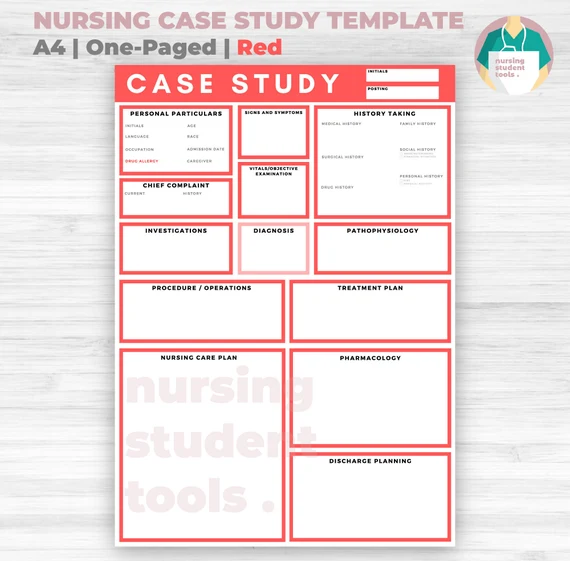
How to Handle Nursing Case Studies Successfully
Case studies test your ability to apply clinical knowledge to real care scenarios. Here’s how to approach them:
Analyze the Assessment Data
Break down:
Patient history
Lab results
Vital signs
Symptoms
Identify Key Problems
Use frameworks like:
✔ NANDA nursing diagnoses
✔ PES (Problem, Etiology, Symptoms)
Develop Care Interventions
Base these on evidence.
Example:
✔ Administer prescribed medications
✔ Educate the patient
✔ Monitor vital signs
Evaluate Outcomes
What worked? What didn’t? Suggest follow‑up care.
Common Mistakes to Avoid in Nursing Assignments
Here’s a list of pitfalls that often cost marks:
❌ Failing to reference credible sources
❌ Lack of clinical reasoning
❌ Poor grammar and formatting
❌ Incorrect use of medical terminology
❌ Failing to link theory to practice
Avoiding these ensures your work is professional and academically sound.
Final Thoughts: Boosting Your Academic Confidence
Nursing isn’t just about memorizing facts — it’s about applying knowledge with clarity, logic, and compassion. Quality nursing assignment solutions empower you to think critically, write confidently, and perform better in both academic and clinical settings.
Remember, the best solutions don’t just give answers — they teach you how to solve future problems with skill and professionalism.
Needs help with Nursing Assignment?
We are available 24x7 to deliver the best services and assignment ready within 3-4 hours? Order a custom-written, plagiarism-free paper
 Get Answer Over WhatsApp
 Order Paper Now

