How to Get Expert Help: Step-by-Step Guide for Reliable Support
How to Get Expert Help: A Complete Guide
In today’s fast-paced world, knowing how to get expert help can save you time, reduce stress, and ensure you get professional guidance for any challenge. Whether you are tackling a complex project, managing personal issues, or running a business, the right expert can make all the difference.
In this guide, we’ll explore practical steps, tips, and strategies for finding the right experts efficiently.
Why Getting Expert Help Matters
Many people try to solve problems on their own, thinking it will save time or money. However, seeking expert help has several advantages:
Saves Time – Experts can quickly analyze your situation and provide solutions that may take you months to figure out.
Reduces Mistakes – Professionals bring experience and knowledge that prevent costly errors.
Provides Peace of Mind – Knowing you have expert guidance can reduce anxiety and uncertainty.
Access to Specialized Tools – Experts often have resources and tools that are not available to the general public.
For example, if you’re dealing with legal issues, hiring a professional attorney ensures that your rights are protected. Similarly, in healthcare, consulting a specialist can prevent misdiagnosis and improve outcomes.
Step 1: Identify Your Specific Need
Before seeking help, it’s essential to define your problem clearly. Ask yourself:
What is the exact issue I need help with?
What skills or knowledge does this require?
Do I need a one-time consultation or ongoing support?
By clarifying your needs, you’ll be able to find an expert whose skills align perfectly with your requirements.
Step 2: Look for Qualified Experts
Once you know what you need, start searching for professionals. There are several ways to find experts:
Professional Associations – Most industries have associations where certified professionals list their services.
Referrals – Ask colleagues, friends, or family for recommendations. Trusted referrals often lead to reliable experts.
Online Platforms – Websites like LinkedIn, Upwork, and industry-specific directories allow you to connect with professionals worldwide.
Local Resources – Local business directories, community centers, or educational institutions often have experts available.
Make sure the experts you shortlist have proven experience, credentials, and positive reviews.
Step 3: Check Credentials and Reviews
Before committing, verify the expert’s qualifications:
Certifications and Degrees – Ensure they have relevant academic or professional qualifications.
Experience – Look at their track record in handling similar issues.
Testimonials – Read client reviews and feedback to gauge reliability and effectiveness.
Portfolio – Many experts provide case studies or examples of previous work.
This step is critical to avoid wasting time and resources on someone who may not meet your expectations.
Step 4: Evaluate Communication Skills
Expert help isn’t just about knowledge—it’s about how well they can explain solutions. Effective communication is key. Consider:
Are they responsive to your inquiries?
Can they simplify complex concepts?
Do they listen and understand your concerns?
A good expert will not only provide solutions but also guide you through the process clearly.
Step 5: Compare Costs and Value
While cost shouldn’t be the only factor, it’s important to consider. Evaluate:
Hourly rates vs. project rates
Additional resources or tools included
Return on investment (ROI) in terms of time saved, results, or peace of mind
Sometimes paying slightly more for an experienced professional yields better results than going for the cheapest option.
Step 6: Ask the Right Questions
When contacting potential experts, asking the right questions helps you assess their fit:
How have you handled similar problems before?
What methods or tools do you use?
What is your expected timeline for results?
Are there any risks I should be aware of?
Clear communication upfront sets expectations and prevents misunderstandings later.
Step 7: Start Small, Scale Up
If possible, start with a small task or consultation. This allows you to evaluate the expert’s approach, reliability, and communication style before committing to a larger engagement.
Trial Consultations – Many experts offer short sessions at a reduced rate.
Pilot Projects – If hiring for business or technical services, begin with a small project to test their capabilities.
Scaling gradually ensures a smooth collaboration and minimizes risks.
Step 8: Build a Long-Term Relationship
Once you find a trusted expert, nurture the relationship. Long-term collaboration benefits both parties:
You gain consistent, reliable support.
The expert becomes more familiar with your specific needs.
Trust and efficiency improve over time.
Remember, expert help is not just a one-time service—it’s an investment in ongoing success.
Step 9: Leverage Technology to Connect
Modern technology makes it easier to access experts worldwide. Use:
Video Conferencing – Zoom, Microsoft Teams, or Google Meet for remote consultations.
Messaging Platforms – WhatsApp, Slack, or Telegram for quick communication.
Project Management Tools – Trello, Asana, or Notion to coordinate tasks efficiently.
Even if an expert is not locally available, virtual communication ensures you can get professional guidance anytime.
Step 10: Maintain Professionalism
While seeking expert help, maintain professionalism:
Be punctual for meetings
Respect their time and expertise
Provide clear information about your problem
Follow through on agreed actions
Professional behavior fosters mutual respect and encourages experts to give their best service.
Common Scenarios Where Expert Help Is Valuable
Healthcare – Specialists, nutritionists, therapists
Legal Matters – Lawyers, paralegals, legal consultants
Business & Finance – Accountants, business strategists, marketing consultants
Technology & IT – Software developers, cybersecurity experts, IT consultants
Education & Research – Tutors, academic coaches, research consultants
In each scenario, expert help accelerates problem-solving and improves outcomes.
Tips to Maximize the Value of Expert Help
Prepare in advance – Have all documents and information ready.
Be honest and transparent – Full disclosure ensures accurate advice.
Take notes – Document guidance for future reference.
Follow recommendations – Implement advice to see tangible results.
These small steps significantly enhance the effectiveness of expert consultations.
How to Avoid Common Mistakes
Rushing the Selection – Don’t choose the first expert you find. Research thoroughly.
Ignoring Credentials – Always verify qualifications and experience.
Failing to Communicate – Clear and regular communication prevents misunderstandings.
Expecting Instant Results – Some issues require time, so be patient.
Avoiding these mistakes ensures a smooth and productive experience.
Conclusion
Learning how to get expert help is a skill that benefits both personal and professional life. By clearly identifying your needs, evaluating potential experts, and maintaining effective communication, you can find professionals who provide real value.
Remember, the right expert not only solves problems but also empowers you with knowledge and confidence for future challenges. Don’t hesitate to seek help—it’s a strategic step toward success.


Needs help with Nursing Assignment?
We are available 24x7 to deliver the best services and assignment ready within 3-4 hours? Order a custom-written, plagiarism-free paper
 Get Answer Over WhatsApp
 Order Paper Now

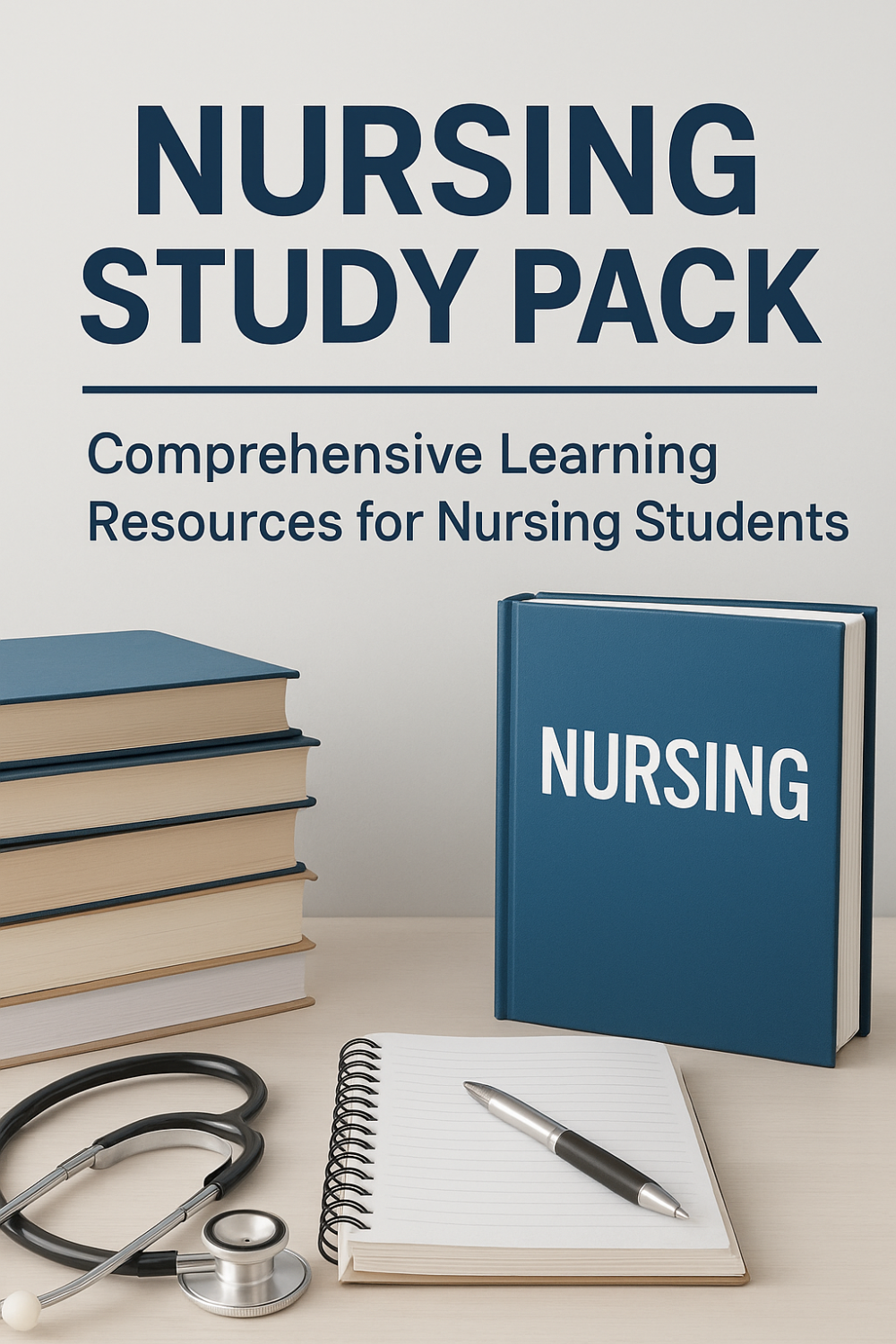
 Online Resources for Nursing Students
 Nursing