Compact Nursing Kit – Essential Portable Nursing Supplies for Efficient Care
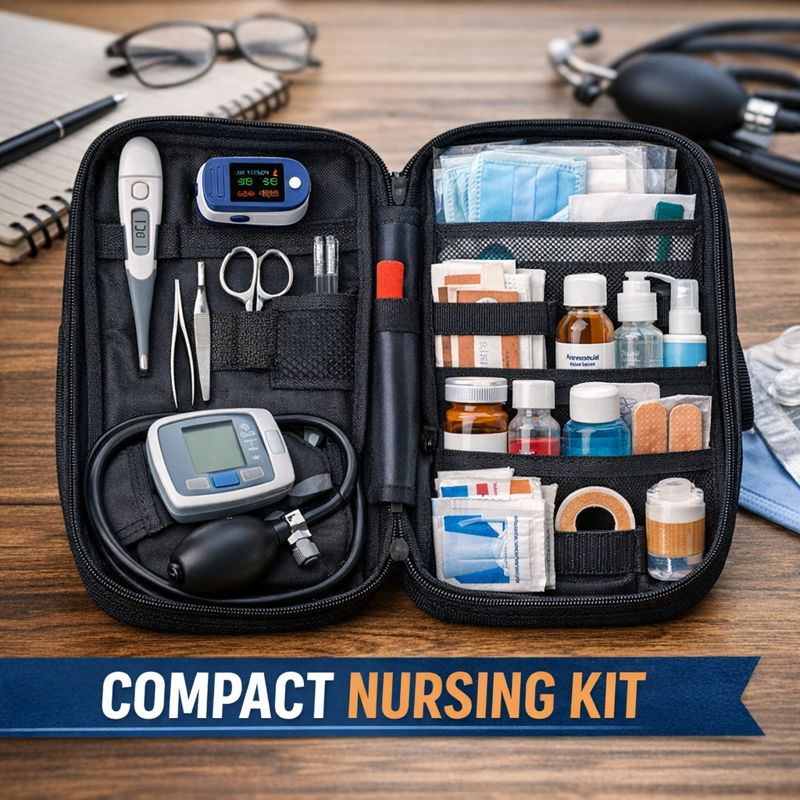
Compact nursing kit
What is a Compact Nursing Kit?
A compact nursing kit is a portable set of essential medical tools and supplies that allows healthcare providers to perform basic nursing tasks efficiently. Unlike a full-scale medical bag, a compact kit is designed to be lightweight and easy to carry while containing all the essential items for routine care.
The primary aim of a compact nursing kit is to improve accessibility and organization. With a properly stocked kit, nurses can respond quickly to patient needs without wasting time searching for supplies.
Why Every Nurse Needs a Compact Nursing Kit
1. Portability
A compact nursing kit is lightweight and easy to carry. Nurses conducting home visits, traveling for patient care, or working in mobile clinics benefit from the convenience of a portable kit.
2. Efficiency
Having all essential supplies in one organized kit reduces response time during emergencies or routine care, increasing efficiency and confidence.
3. Preparedness
A compact kit ensures that you are always prepared for any minor medical situation, such as wound dressing, injections, or vital sign monitoring.
4. Cost-Effective
Investing in a pre-organized compact nursing kit saves money compared to purchasing individual supplies separately.
5. Professionalism
A neatly organized, portable kit demonstrates professionalism, care, and readiness, enhancing patient trust.
Essential Contents of a Compact Nursing Kit
A well-stocked compact nursing kit should include a combination of diagnostic tools, wound care supplies, medications, and personal protective equipment (PPE).
1. Diagnostic Tools
Thermometer: Digital or infrared for accurate temperature readings.
Blood Pressure Monitor: Compact and portable for monitoring patients on the go.
Pulse Oximeter: Measures oxygen saturation quickly and easily.
Stethoscope: Essential for assessing heart and lung sounds.
2. Wound Care Supplies
Bandages and Dressings: Adhesive bandages, gauze pads, and sterile dressings.
Antiseptics: Alcohol swabs, iodine, and disinfectants for cleaning wounds.
Medical Tape: For securing dressings and bandages.
Scissors and Forceps: Compact tools for wound care and minor procedures.
3. Medication and Emergency Items
Basic Medications: Painkillers, antiseptic creams, and antihistamines.
Gloves and PPE: Disposable gloves, masks, and hand sanitizers.
Emergency Supplies: Small first aid items for cuts, burns, or minor injuries.
4. Personal Care Tools
Tweezers and Nail Clippers: For small hygiene or medical tasks.
Notebook and Pen: To record patient information or observations.
Flashlight: Small LED light for better visibility during care.
A compact nursing kit is most effective when tailored to the specific needs of the nurse or caregiver, depending on the type of care they provide.
Types of Compact Nursing Kits
There are different types of compact nursing kits, each designed for specific purposes:
1. Home Care Nursing Kit
Perfect for nurses providing home-based care, these kits include all essential diagnostic tools, wound care supplies, and daily medications. They are lightweight and easy to carry.
2. Emergency Nursing Kit
Designed for urgent situations, emergency nursing kits contain items for first aid, injury care, and quick interventions, including bandages, antiseptics, and emergency medications.
3. Travel Nursing Kit
Ideal for traveling nurses or healthcare professionals visiting multiple locations. Travel kits prioritize portability while maintaining essential items for patient care.
4. Student Nursing Kit
Nursing students benefit from compact kits designed for practice in clinical settings. These include basic instruments and essential learning tools.
How to Choose the Best Compact Nursing Kit
Choosing the right compact nursing kit depends on your professional needs and the type of care you provide. Here are key factors to consider:
1. Size and Portability
Ensure the kit is lightweight, compact, and easy to carry. Look for kits with organized compartments to access supplies quickly.
2. Quality of Supplies
Invest in high-quality medical tools that are durable and reliable, such as digital thermometers, stethoscopes, and bandages.
3. Contents
Select a kit with essential supplies that match your daily nursing tasks. Avoid kits that include unnecessary items that add bulk.
4. Durability
A robust, water-resistant case ensures your supplies remain safe and protected during travel or home visits.
5. Customization
Some kits allow you to customize contents, adding specific tools or medications that fit your specialty.
Benefits of Using a Compact Nursing Kit
1. Faster Response Times
With essential items on hand, nurses can respond immediately to patient needs without delay.
2. Better Organization
A compact kit keeps supplies organized, reducing the risk of misplacing important tools.
3. Improved Patient Care
Access to the right supplies ensures timely and effective care, improving patient outcomes.
4. Reduced Stress
Being prepared for any situation reduces stress and enhances confidence in nursing practice.
Tips for Maintaining Your Compact Nursing Kit
Regular Inventory Checks: Check and replenish supplies regularly to ensure nothing runs out.
Cleanliness: Keep the kit clean and sanitized to prevent contamination.
Expiry Management: Monitor expiration dates of medications and supplies.
Organized Packing: Arrange items by category for easy access during care.
Update Contents: Adapt your kit to match changes in your nursing responsibilities.
Compact Nursing Kit for Different Healthcare Settings
1. Hospitals
Hospital nurses benefit from compact kits for rapid response during patient rounds or emergencies.
2. Clinics
In smaller clinics, portable kits help nurses attend to multiple patients efficiently.
3. Home Care
Nurses conducting home visits rely on compact kits to carry all essential supplies without the burden of a bulky medical bag.
4. Field Work
Community health workers and mobile clinic nurses require portable kits to provide care in remote locations.
How to Make Your Own Compact Nursing Kit
If you prefer a DIY approach, creating your own compact nursing kit allows for personalization:
Select a Durable Case: Choose a lightweight, sturdy bag with compartments.
Choose Essential Supplies: Include diagnostic tools, wound care items, PPE, and basic medications.
Organize by Category: Use small pouches or dividers to separate items for easy access.
Label Everything: Label compartments for quick identification.
Regular Maintenance: Periodically review and update contents for expiration and relevance.
Conclusion
A compact nursing kit is more than just a collection of medical tools—it is an essential partner for healthcare professionals. It ensures preparedness, improves efficiency, and enhances patient care, whether in a hospital, clinic, or home care setting.
Investing in a high-quality, well-organized compact nursing kit allows nurses to deliver timely, effective care while staying professional and organized. Whether buying a ready-made kit or assembling your own, a compact nursing kit is an indispensable tool for every nurse.
Needs help with Nursing Assignment?
We are available 24x7 to deliver the best services and assignment ready within 3-4 hours? Order a custom-written, plagiarism-free paper
 Get Answer Over WhatsApp
 Order Paper Now