How to Write a Nursing Case Study: Complete Guide for Nursing Students
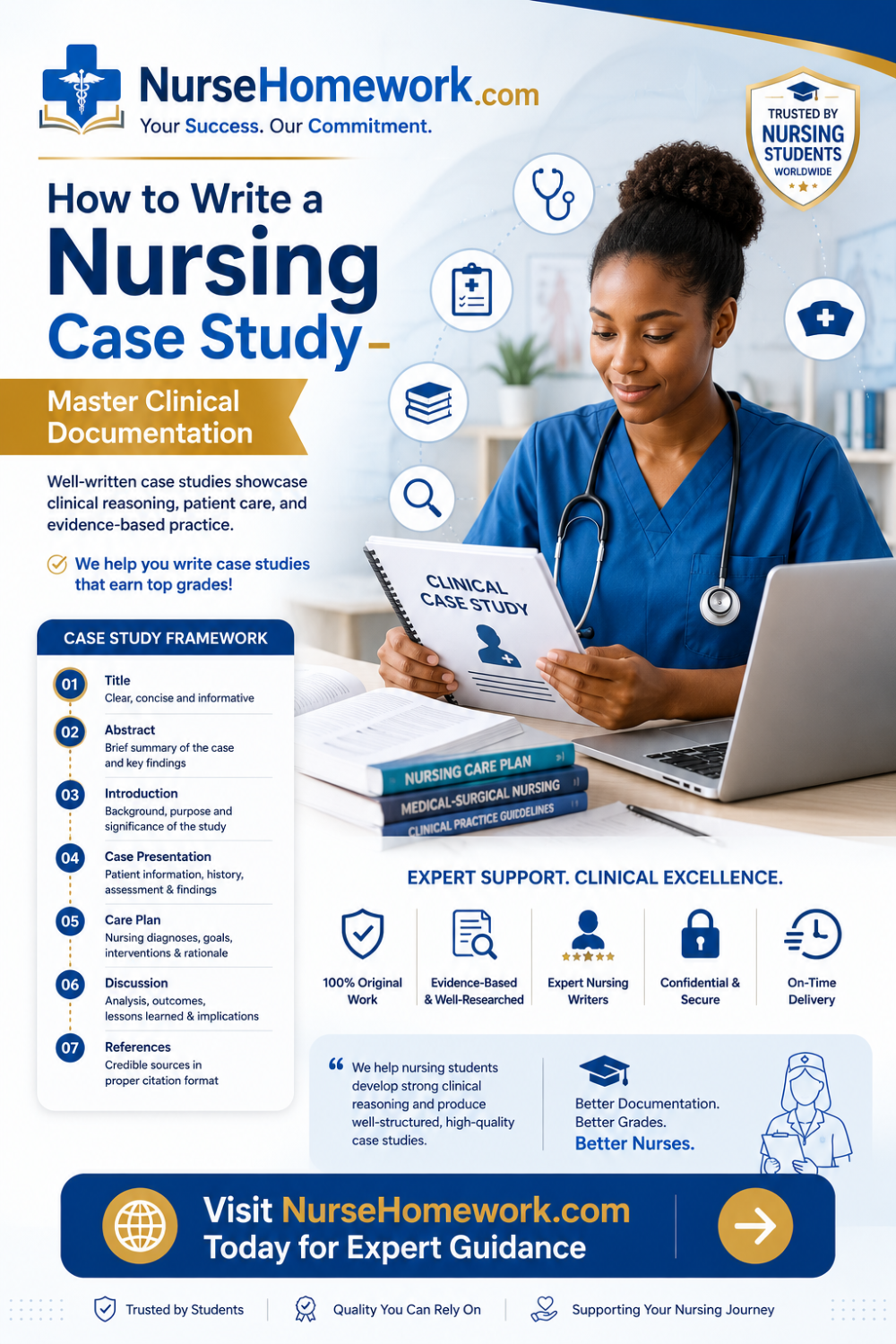
How to write a nursing case study is an essential skill that every nursing student and professional must master to demonstrate clinical reasoning and evidence-based practice. At NurseHomework.com, we understand that learning how to write a nursing case study is fundamental to nursing education and professional development. This comprehensive guide will walk you through how to write a nursing case study using established frameworks and best practices.
Understanding How to Write a Nursing Case Study
Before diving into how to write a nursing case study, it’s essential to understand what a nursing case study is. A nursing case study is a detailed report of a patient’s clinical situation that demonstrates the application of the nursing process and critical thinking skills . The purpose of how to write a nursing case study is to document the comprehensive care provided, analyze patient outcomes, and contribute to nursing knowledge .
Case studies in nursing have gained significant importance in scientific publications, as they allow nurses to share their clinical experiences and evidence-based interventions . Mastering how to write a nursing case study enhances clinical reasoning and prepares you for professional practice.
The Recommended Structure for How to Write a Nursing Case Study
Following the CARE guidelines and nursing standards, the how to write a nursing case study process should follow a clear structure. Research shows that nursing case studies should include specific sections to ensure completeness and quality . When learning how to write a nursing case study, use the following structure:
Part 1: Preliminary Section
The first step in how to write a nursing case study is preparing the preliminary section :
Title: Create a direct, affirmative title that reflects the central theme and patient population. Keep it under 15 words .
Author Information: Include the names and credentials of all professionals involved in the patient’s care.
Abstract: Write a concise summary (150-300 words) covering the main sections of your case study. Use past tense and include the most outstanding aspects of the care plan, identified nursing diagnoses, and practical implications .
Part 2: Body of the Case Study
The main body of your how to write a nursing case study process includes these essential sections:
Introduction
The introduction in how to write a nursing case study should accomplish three objectives :
Present the general problem or main theme (what the case is about)
Justify the importance of the case for clinical practice (why it was performed)
State the purpose of the article
Move from general concepts to the specific clinical situation being presented .
Presentation of the Case
This critical section of how to write a nursing case study describes the nursing process sequence. Follow these guidelines :
Patient Identification: Use a pseudonym or patient initials for confidentiality. Explicitly state this in the text to demonstrate ethical awareness.
Patient Assessment: Describe the comprehensive assessment using the chosen nursing model. This should be consistent with the care framework selected for the case .
Include subjective and objective data collection :
Patient demographics and medical history
Physical assessment findings
Diagnostic and laboratory data
Patient values, goals, and expectations
Nursing Care Plan: This is the core of how to write a nursing care plan within your case study :
Nursing Diagnoses: Use NANDA-I standardized terminology
Outcomes/Goals: Identify observable, measurable, and realistic client goals
Interventions: Document evidence-based nursing actions using the Nursing Interventions Classification (NIC)
Evaluation: Assess whether goals were met and recommend further interventions if needed
Case Management: Describe the coordination of care and interdisciplinary collaboration.
Part 3: Discussion and Conclusion
Discussion: This section of how to write a nursing case study should :
Relate the case findings to existing literature
Discuss the theoretical basis for interventions
Address clinical implications
Consider the patient’s perspective
Bibliography: Include proper citations using Vancouver or APA format .
Evidence-Based Guidelines for How to Write a Nursing Case Study
CARE Guidelines
When learning how to write a nursing case study, the CARE guidelines provide essential standards for reporting . Studies show that adherence to these guidelines improves the quality of case reports . Key CARE elements include:
Keywords and patient information
Introduction with clinical context
Complete timeline of the clinical course
Diagnostic assessment details
Therapeutic interventions
Follow-up and outcomes documentation
Patient perspective inclusion
Using Nursing Taxonomies
A key aspect of how to write a nursing care plan within your case study is incorporating standardized nursing taxonomies :
NANDA-I for nursing diagnoses
NIC for nursing interventions
NOC for nursing outcomes
This approach contributes to the scientific foundation of nursing practice and improves the quality of published case studies .
Example: How to Write a Nursing Case Study
Sample Student Case Study Structure
Title: “Nursing Care for a Patient with Hyponatraemia Following a Fall: A Case Study”
Abstract: A brief summary of the patient presentation, interventions, and outcomes.
Introduction: Context about falls in elderly patients and hyponatraemia risks.
Case Presentation:
Patient Assessment :
A second-year student nurse working with the critical care outreach team assessed an 88-year-old female patient who had fallen at home. The patient had a fractured pubic rami and developed acute confusion. Assessment findings included:
NEW2 score of 6 (indicating serious deterioration)
Confusion as a new symptom (normal mental state previously)
Vomiting and fluid loss
Blood results showing serum sodium 129 mmol/L (below normal)
Nursing Diagnosis:
Risk for injury related to confusion and fall risk
Fluid and electrolyte imbalance related to hyponatraemia
Interventions:
Repeated vital signs and NEWS2 monitoring
Medication review (patient on amiloride and over-the-counter ibuprofen)
Collaboration with multidisciplinary team
Commencement of hypertonic saline infusion
Family communication and support
Evaluation: The patient’s sodium levels improved following treatment. The family was educated on monitoring for signs of confusion and dehydration.
Discussion: This case demonstrates the importance of comprehensive assessment and collaborative care in identifying atypical causes of confusion in elderly patients.
Quality Standards for How to Write a Nursing Case Study
What Makes a Quality Case Study?
When learning how to write a nursing case study, quality indicators include :
Completeness: Include all relevant background information, comprehensive health history, physical assessment, diagnostic data, and patient values and goals .
Evidence-Based: Interventions should reflect best practices and be supported by literature .
Clear Documentation: Use appropriate medical terminology and nursing diagnosis terminology .
Evaluation: Demonstrate thorough evaluation with recommendations for further interventions or follow-up .
Common Quality Issues
Studies on how to write a nursing case study have identified common deficiencies to avoid :
Missing timeline of events
Incomplete therapeutic intervention documentation
Inadequate follow-up description
Omission of patient perspective
How NurseHomework.com Can Help with Your Nursing Case Studies
At NurseHomework.com, we provide comprehensive support for nursing students learning how to write a nursing case study. Our services include:
Step-by-step guidance on how to write a nursing case study for any clinical scenario
Expert review of your case studies with personalized feedback
Templates following CARE guidelines and nursing taxonomies
Assistance with NANDA-I diagnosis selection
Evidence-based intervention suggestions
Help with APA or Vancouver formatting
Support informed by nursing terminology and coursework formats
Help organizing clinical reasoning and evidence
Whether you are a nursing student struggling with how to write a nursing case study assignments or a practicing nurse preparing for publication, NurseHomework.com is here to support your professional development.
Needs help with Nursing Assignment?
We are available 24x7 to deliver the best services and assignment ready within 3-4 hours? Order a custom-written, plagiarism-free paper
 Get Answer Over WhatsApp
 Order Paper Now
