Medical Kit for Nurses – Essential Nursing Supplies & Tools
Medical Kit for Nurses
Medical Kit for Nurses: Your Ultimate Guide to Essential Nursing Supplies
A medical kit for nurses is more than just a collection of tools—it’s a lifeline for healthcare professionals who provide critical care every day. Nurses often face unpredictable situations where having the right equipment at hand can make all the difference. From hospitals to home care settings, a well-prepared medical kit ensures efficiency, safety, and readiness.
Why Every Nurse Needs a Medical Kit
Nurses work in dynamic environments where time, precision, and accessibility are crucial. A medical kit for nurses helps to:
Enhance Efficiency: Quick access to essential tools saves valuable time.
Ensure Safety: Proper equipment reduces the risk of errors and contamination.
Boost Confidence: Being prepared for emergencies improves decision-making and performance.
Support Mobility: Portable kits allow nurses to provide care across different wards, clinics, or home visits.
Essential Items in a Nurse’s Medical Kit
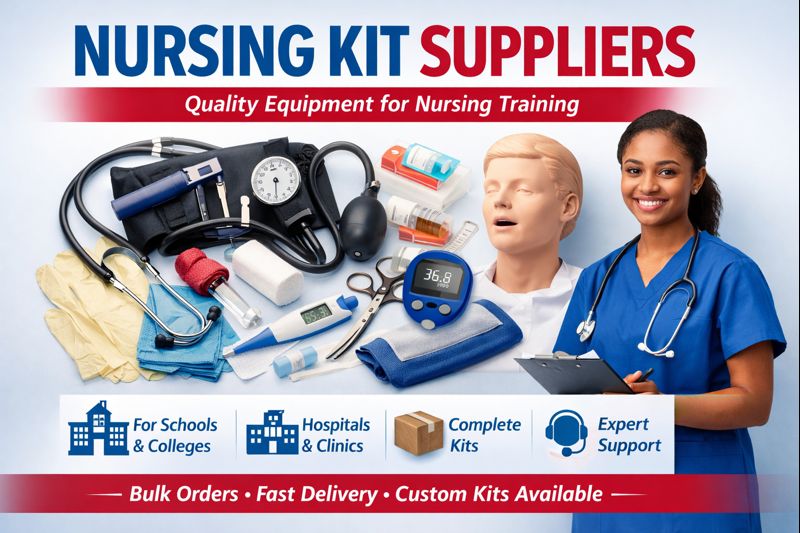
A comprehensive medical kit for nurses should cover a variety of needs, from basic patient care to emergency response. Some key items include:
1. Vital Signs Monitoring Tools
Stethoscope: For heart, lung, and blood pressure assessments.
Blood Pressure Cuff: Essential for routine and emergency monitoring.
Thermometer: Digital or infrared for fast and accurate readings.
Pulse Oximeter: Measures oxygen saturation, especially critical in respiratory care.
2. Infection Control Supplies
Gloves: Disposable gloves for hygiene and protection.
Face Masks: Surgical or N95 masks for safety.
Hand Sanitizer & Disinfectant Wipes: Essential for maintaining sterile conditions.
3. First Aid Essentials
Bandages & Dressings: Various sizes for cuts, wounds, or abrasions.
Antiseptic Solutions & Creams: Prevents infection during wound care.
Tweezers & Scissors: For dressing changes and minor procedures.
4. Emergency & Diagnostic Tools
Penlight: Useful for pupil and throat examinations.
Reflex Hammer: For neurological assessments.
Glucometer: For monitoring blood sugar in diabetic patients.
5. Organizational Accessories
Pouch or Bag: Compact, portable, and easy to organize.
Labeling Supplies: Tags or markers for patient-specific equipment.
Notebook or Digital Device: For quick notes, observations, or reporting.
Choosing the Right Medical Kit for Nurses
When selecting a medical kit, consider the following:
Portability: Lightweight and easy to carry for ward rounds or home visits.
Durability: Water-resistant and sturdy materials ensure long-lasting use.
Comprehensive Contents: Must cover basic care, diagnostics, and emergency needs.
Customization Options: Kits that allow adding or removing items based on specialty.
Benefits of a Fully Equipped Medical Kit
A well-stocked medical kit for nurses provides:
Preparedness for emergencies such as cardiac arrest or trauma.
Consistency in patient care across shifts and different environments.
Reduction of stress by knowing everything needed is within reach.
Professional image, demonstrating commitment to high-quality care.
Tips for Maintaining Your Nursing Kit
Regularly Check Supplies: Ensure items are not expired or damaged.
Restock After Use: Replenish used materials immediately.
Keep It Organized: Use compartments for easy access.
Sanitize Frequently: Maintain hygiene to prevent contamination.
Conclusion
A medical kit for nurses is an essential investment for any healthcare professional. It ensures preparedness, improves efficiency, and supports patient safety. Whether for hospital use, clinics, or home care, having the right tools at your fingertips is indispensable. By choosing a high-quality kit and maintaining it diligently, nurses can focus on what truly matters—providing exceptional care.
Medical Kit for Nurses: Your Ultimate Guide to Essential Nursing Supplies
A medical kit for nurses is more than a simple collection of tools—it’s a lifeline for healthcare professionals who provide critical care every day. Nurses often face unpredictable situations where having the right equipment at hand can make all the difference. From hospitals to home care visits, a well-prepared medical kit ensures efficiency, safety, and readiness.
Whether you are a new nurse starting your career or an experienced professional looking to upgrade your kit, understanding what to include and how to organize it is crucial.
Why Every Nurse Needs a Medical Kit
Nurses work in dynamic environments where time, precision, and accessibility are crucial. A medical kit for nurses helps to:
Enhance Efficiency: Quick access to essential tools saves valuable time, especially during emergencies.
Ensure Safety: Proper equipment reduces the risk of errors and contamination.
Boost Confidence: Being prepared for emergencies improves decision-making and performance.
Support Mobility: Portable kits allow nurses to provide care across different wards, clinics, or even during home visits.
A well-stocked medical kit isn’t just about convenience—it directly impacts patient care and outcomes.
Essential Items in a Nurse’s Medical Kit
A comprehensive medical kit for nurses should cover a variety of needs, from basic patient care to emergency response. Here’s a detailed look at what to include:
1. Vital Signs Monitoring Tools
Monitoring vital signs is one of the most critical nursing tasks. Your medical kit should include:
Stethoscope: Essential for listening to heartbeats, lung sounds, and blood pressure. High-quality stethoscopes improve accuracy and durability.
Blood Pressure Cuff: Both manual and digital cuffs are important. Portable digital cuffs are handy for home visits.
Thermometer: Digital or infrared thermometers provide fast and accurate readings for fever or infection monitoring.
Pulse Oximeter: Measures oxygen saturation—a must-have in respiratory care, especially for patients with chronic illnesses.
2. Infection Control Supplies
Keeping both the nurse and patient safe is paramount:
Disposable Gloves: Prevent cross-contamination and protect against infectious agents.
Face Masks: Surgical masks or N95 respirators depending on exposure risk.
Hand Sanitizer & Disinfectant Wipes: Essential for maintaining hygiene and cleaning surfaces or tools.
Protective Apron or Gown: Useful for high-risk procedures.
3. First Aid Essentials
A nurse’s kit should be prepared for minor injuries and urgent care:
Bandages & Dressings: Include various sizes for cuts, wounds, or burns.
Antiseptic Solutions & Creams: Prevent infection during wound care.
Tweezers & Scissors: Necessary for dressing changes, removing splinters, or cutting bandages.
Adhesive Tapes & Safety Pins: For securing dressings and temporary fixes.
4. Emergency & Diagnostic Tools
Quick diagnostic tools make care faster and more accurate:
Penlight: Useful for checking pupils, throat, and wounds.
Reflex Hammer: For neurological assessments.
Glucometer & Strips: Essential for monitoring blood sugar levels, particularly for diabetic patients.
Thermal Packs or Cold Packs: Useful in trauma or inflammation management.
5. Organizational Accessories
Keeping your kit organized saves time during emergencies:
Portable Pouch or Bag: Lightweight, durable, and easy to carry.
Labeling Supplies: Tags or markers help keep track of equipment and patient-specific items.
Notebook or Digital Device: For recording observations, notes, or reminders during rounds.
Types of Medical Kits for Nurses
Different nursing specialties and work environments require tailored kits.
Basic Nursing Kit: Ideal for students or entry-level nurses. Contains essential items like stethoscope, thermometer, gloves, and first-aid supplies.
Advanced Nursing Kit: Includes advanced diagnostic tools such as glucometer, pulse oximeter, and reflex hammer for specialized care.
Travel/Home Visit Kit: Lightweight, compact, and portable. Includes essential monitoring tools and first-aid supplies for on-the-go care.
Emergency Response Kit: Designed for quick interventions, contains items for trauma care, CPR, and basic life support.
Choosing the Right Medical Kit for Nurses
When selecting a medical kit, consider:
Portability: Should be lightweight and easy to carry for ward rounds or home visits.
Durability: Water-resistant and sturdy materials ensure long-lasting use.
Comprehensive Contents: Covers basic care, diagnostics, and emergency needs.
Customization Options: Kits that allow adding or removing items based on your specialty.
Budget-Friendly Options: There are kits available at different price points without compromising quality.
Benefits of a Fully Equipped Medical Kit
A well-stocked medical kit for nurses offers:
Preparedness for Emergencies: Quick access to tools during critical situations like cardiac arrest or trauma.
Consistency in Patient Care: Standardizes care across shifts and locations.
Reduced Stress: Being prepared alleviates anxiety in high-pressure situations.
Professional Image: Demonstrates commitment to high-quality nursing and patient safety.
Tips for Maintaining Your Nursing Kit
Regularly Check Supplies: Replace expired items and ensure tools are in working order.
Restock After Use: Always replenish materials after each shift or patient visit.
Keep It Organized: Use compartments or dividers for easy access to tools.
Sanitize Frequently: Prevent contamination by cleaning your kit and tools regularly.
Label Everything: Prevent confusion and ensure quick identification of items during emergencies.
Common Mistakes to Avoid with a Nurse’s Medical Kit
Overloading the Kit: Too many unnecessary items make it bulky and hard to carry.
Neglecting Expiry Dates: Expired antiseptics or medications can be harmful.
Ignoring Specialty Needs: Kits should be tailored to your field—pediatric, geriatric, or emergency care.
Poor Organization: Random placement of items wastes time and can lead to errors.
Where to Buy a Medical Kit for Nurses
High-quality medical kits can be purchased online or from specialized medical supply stores. When choosing a kit, ensure:
Certification & Quality Assurance: Look for ISO or CE-certified tools.
Warranty & After-Sales Support: Some kits include replacement guarantees for tools.
User Reviews & Recommendations: Check reviews from fellow nurses for reliability.
Customization Options: Choose a kit that allows personal adjustments.
In Kenya, trusted suppliers often provide kits with tailored options for local nursing needs, including portable kits for home care and clinics.
Conclusion
A medical kit for nurses is not just a convenience—it’s a professional necessity. A well-equipped and organized kit ensures that nurses can deliver fast, safe, and effective care in any situation. By selecting the right tools, maintaining them properly, and customizing the kit according to your needs, you’re setting yourself up for success in your nursing career.
Needs help with Nursing Assignment?
We are available 24x7 to deliver the best services and assignment ready within 3-4 hours? Order a custom-written, plagiarism-free paper
 Get Answer Over WhatsApp
 Order Paper Now