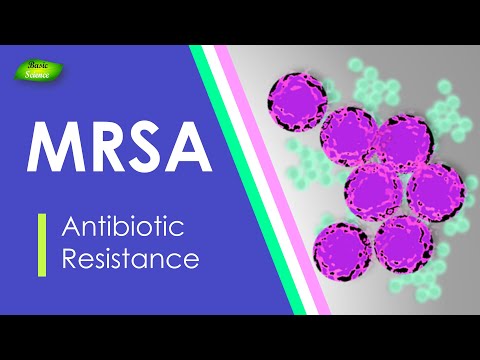
MRSA Nursing Assignment Help: Expert Guidance for Top Grades
Methicillin-Resistant Staphylococcus aureus (MRSA) is a significant concern in healthcare settings, requiring nurses to be well-informed about its prevention, management, and treatment. Nursing students often encounter assignments related to MRSA that require in-depth research, critical thinking, and application of evidence-based practices.
At NurseHomework.com, we provide comprehensive MRSA nursing assignment help to ensure students grasp key concepts while excelling in their coursework. This blog will cover MRSA’s causes, symptoms, treatment, prevention, and the role of nurses, while also explaining how our expert services can assist you in crafting a high-quality nursing paper.

MRSA
Understanding MRSA
What is MRSA?
MRSA is a type of Staphylococcus aureus bacteria that has developed resistance to methicillin and other common antibiotics. It is categorized into two types:
- Hospital-Acquired MRSA (HA-MRSA): Contracted in healthcare settings such as hospitals, nursing homes, and surgical units.
- Community-Acquired MRSA (CA-MRSA): Spread in community settings through direct contact with infected individuals or contaminated surfaces.
Causes of MRSA
MRSA infections occur due to bacterial resistance resulting from:
- Overuse or misuse of antibiotics.
- Poor hygiene and improper infection control measures.
- Close contact with infected individuals.
- Weak immune systems, especially in hospitalized patients.
- Sharing personal items such as razors and towels.
Symptoms of MRSA Infection
- Painful red bumps that resemble boils or abscesses.
- Swollen, warm, and pus-filled lesions.
- Fever and chills.
- Skin infections that worsen quickly.
- In severe cases, bloodstream infections, pneumonia, or sepsis.
- Muscle aches and fatigue.
MRSA Treatment and Management
Antibiotic Therapy
Although MRSA is resistant to methicillin, certain antibiotics remain effective, including:
- Vancomycin
- Linezolid
- Daptomycin
- Clindamycin (for some strains)
- Trimethoprim-sulfamethoxazole (TMP-SMX)
- Rifampin (in combination with other antibiotics)
Infection Control Measures
Nurses play a crucial role in infection prevention through:
- Hand Hygiene: Regular handwashing using soap and alcohol-based sanitizers.
- Personal Protective Equipment (PPE): Wearing gloves, gowns, and masks when handling MRSA patients.
- Isolation Precautions: Placing MRSA patients in single rooms or designated areas to prevent cross-contamination.
- Wound Care: Properly cleaning and dressing wounds to avoid bacterial spread.
- Antibiotic Stewardship: Educating patients on proper antibiotic use to minimize resistance development.
- Regular Screening: Identifying carriers through nasal or wound swabs in high-risk settings.
Alternative Treatment Options
- Drainage of Infected Wounds: Some MRSA infections require surgical drainage rather than antibiotics.
- Use of Antiseptic Soaps: Chlorhexidine baths can help decolonize MRSA carriers.
- Probiotics: Studies suggest that beneficial bacteria might help fight MRSA infections naturally.
- Phage Therapy: A developing treatment that uses bacteriophages to target MRSA.
Nursing Role in MRSA Prevention
Nurses must be proactive in preventing MRSA outbreaks by:
- Educating Patients and Families: Providing guidance on hygiene, wound care, and antibiotic adherence.
- Monitoring Patients: Identifying early symptoms of MRSA and ensuring prompt intervention.
- Enforcing Hospital Protocols: Adhering to infection control policies and participating in quality improvement initiatives.
- Collaborating with Healthcare Teams: Working alongside doctors, pharmacists, and infection control specialists to optimize patient care.
- Sterilization of Medical Equipment: Ensuring proper cleaning and disinfection of reusable instruments.
- Environmental Cleaning: Regularly disinfecting surfaces in patient care areas to prevent the spread of MRSA.

MRSA
Common MRSA Nursing Assignment Topics
Nursing students may receive assignments on various MRSA-related topics, including:
- Case studies on MRSA-infected patients.
- Comparing HA-MRSA and CA-MRSA.
- Infection control measures in hospitals.
- The role of nurses in antibiotic resistance prevention.
- Ethical considerations in MRSA patient management.
- Role of hand hygiene in MRSA prevention.
- Evaluating the effectiveness of vancomycin in MRSA treatment.
- MRSA outbreaks in neonatal intensive care units.
- Public health implications of MRSA.
- MRSA surveillance and tracking in hospitals.
How NurseHomework.com Can Help
1. Expert Writers
Our team consists of experienced nursing professionals and academic writers who deliver well-researched and plagiarism-free MRSA assignments.
2. Customized Solutions
We provide tailored assignments based on specific guidelines, ensuring compliance with academic standards and formatting styles.
3. Timely Delivery
Meeting deadlines is crucial, and we guarantee on-time submission without compromising quality.
4. Affordable Pricing
We offer budget-friendly pricing plans, making professional nursing assignment help accessible to students worldwide.
5. 24/7 Support
Our customer service team is available around the clock to assist with inquiries, revisions, and order placements.
6. Comprehensive Research Support
Our experts use peer-reviewed journals and the latest medical guidelines to provide accurate and up-to-date information.
7. Formatting and Citation Help
We ensure assignments follow proper formatting styles, such as APA, MLA, or Harvard, as required by nursing schools.
8. Plagiarism-Free Content
All assignments undergo strict plagiarism checks to guarantee originality and academic integrity.

MRSA
Tips for Writing a High-Quality MRSA Nursing Assignment
- Understand the Assignment Prompt: Read the guidelines carefully and identify key requirements.
- Use Evidence-Based Sources: Reference peer-reviewed journals, CDC, and WHO guidelines.
- Follow a Clear Structure: Introduction, literature review, analysis, discussion, and conclusion.
- Incorporate Case Studies: Real-life examples add credibility and depth to your paper.
- Proofread and Edit: Check for grammar, formatting, and citation accuracy before submission.
Conclusion
MRSA remains a major public health challenge, and nursing students must develop a strong understanding of its management and prevention. Completing MRSA assignments can be daunting, but with expert guidance from NurseHomework.com, you can excel in your studies while gaining valuable knowledge in patient care.
Need MRSA nursing assignment help? Contact NurseHomework.com today for top-quality academic assistance!
Needs help with Nursing Assignment?
We are available 24x7 to deliver the best services and assignment ready within 3-4 hours? Order a custom-written, plagiarism-free paper
 Get Answer Over WhatsApp
 Order Paper Now