Nurse Staffing Solutions | Efficient & Reliable Healthcare Workforce Management
nurse staffing
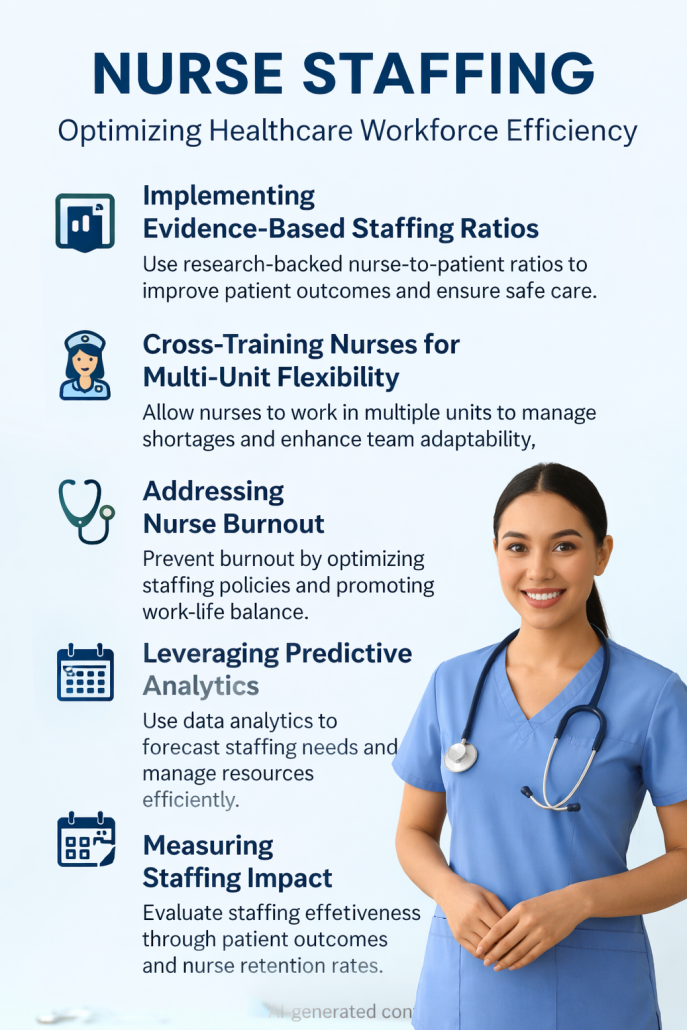
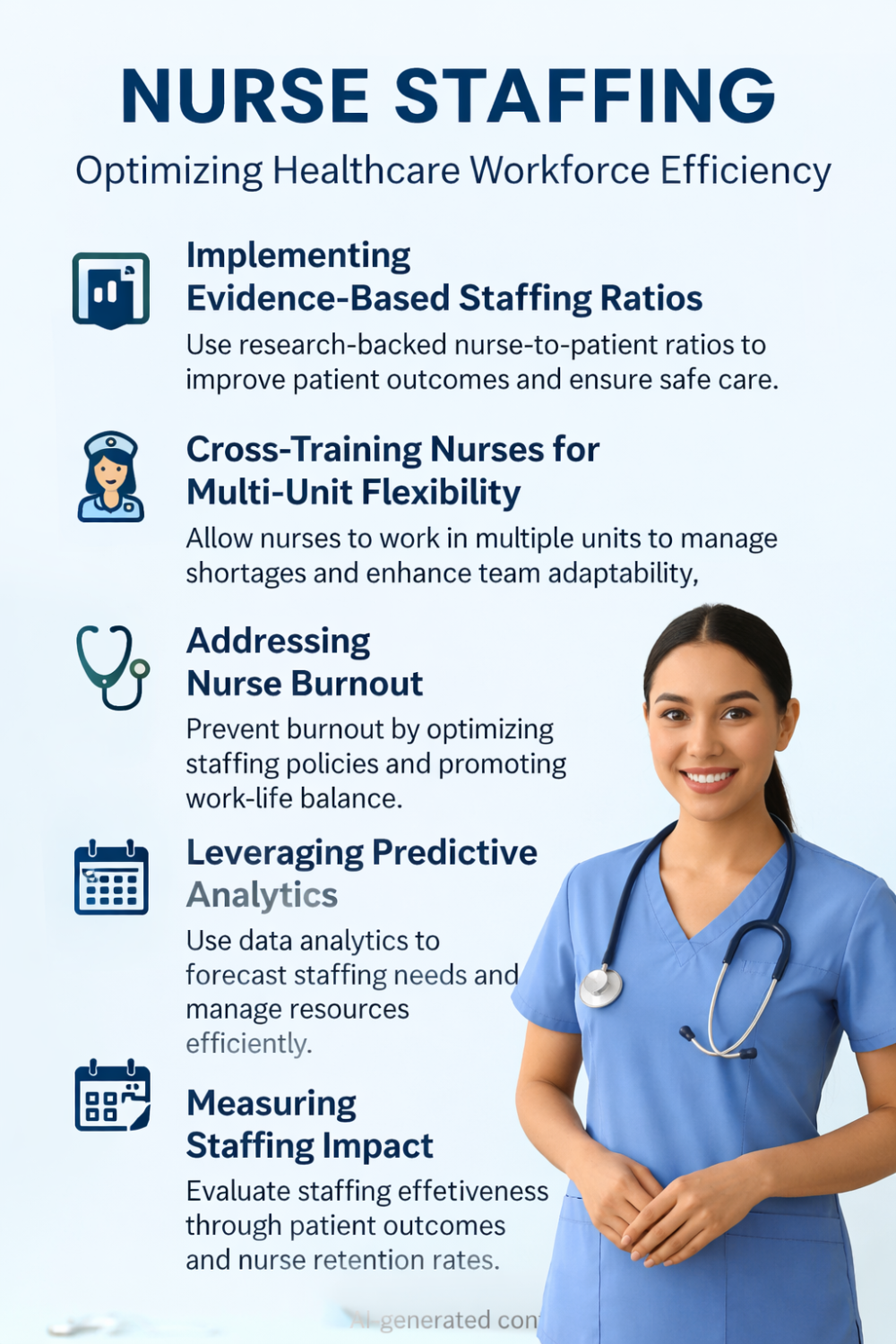
Nurse Staffing: Optimizing Healthcare Workforce Efficiency
In modern healthcare, nurse staffing is a critical component that directly impacts patient outcomes, hospital efficiency, and staff satisfaction. Proper staffing ensures that patients receive timely care while maintaining a balanced workload for nurses, reducing burnout, and improving retention.
Why Nurse Staffing Matters
Effective nurse staffing is more than filling shifts—it’s about placing the right number of skilled nurses where they are most needed. Poor staffing levels can lead to:
Increased patient mortality rates
Higher incidences of medical errors
Nurse burnout and high turnover
Regulatory and compliance risks
Hospitals and healthcare facilities must balance quality care with operational efficiency, making nurse staffing a strategic priority.
Factors Influencing Nurse Staffing Needs
Several variables influence staffing requirements, including:
Patient Acuity: Sicker patients require more attention and specialized skills.
Unit Type: Intensive care units (ICU) require higher nurse-to-patient ratios than general wards.
Hospital Size & Bed Capacity: Larger facilities need more complex scheduling and resources.
Staff Skills & Experience: Mix of experienced and novice nurses affects team efficiency.
Shift Timing: Night shifts may require different staffing due to reduced ancillary support.
Strategies for Effective Nurse Staffing
To ensure optimal care delivery and staff satisfaction, healthcare administrators can adopt these strategies:
Data-Driven Staffing Models
Use predictive analytics and staffing software to forecast nurse demand based on patient admissions, historical trends, and seasonal fluctuations.Flexible Staffing Pools
Maintain a pool of per diem or float nurses to cover sudden absences and unexpected patient surges.Shift Optimization & Scheduling
Implement fair and transparent scheduling that balances workloads while considering staff preferences to boost morale and reduce turnover.Skill-Based Assignments
Assign nurses according to their skills, certifications, and experience to match patient care complexity.Continuous Monitoring & Feedback
Regularly evaluate staffing effectiveness through metrics like patient outcomes, nurse satisfaction surveys, and overtime hours to make informed adjustments.
Technology & Tools in Nurse Staffing
Modern nurse staffing relies on specialized software solutions that simplify scheduling, track compliance, and optimize resource allocation. Key features include:
Automated shift planning
Real-time staffing dashboards
Predictive workload analytics
Overtime management tools
Integrating these technologies ensures healthcare facilities maintain safe nurse-to-patient ratios while reducing administrative burdens.
Benefits of Optimized Nurse Staffing
Improved patient safety and care quality
Reduced nurse burnout and improved retention
Better regulatory compliance
Cost-effective workforce management
Enhanced hospital reputation
Conclusion
Investing in effective nurse staffing solutions is critical for healthcare institutions aiming to deliver high-quality patient care while supporting their nursing workforce. By leveraging technology, data, and strategic planning, hospitals can overcome staffing challenges and ensure a healthier, more efficient work environment for both patients and staff.
Advanced Nurse Staffing Strategies for Healthcare Excellence
1. Implementing Evidence-Based Staffing Ratios
Evidence-based staffing ensures that nurse-to-patient ratios are grounded in research and best practices rather than just intuition. For example:
ICU Units: Typically 1 nurse for every 1–2 patients
Medical-Surgical Units: 1 nurse for every 4–6 patients
Pediatrics: 1 nurse for every 3–4 patients
Hospitals adopting evidence-based ratios often see reduced patient complications, shorter hospital stays, and improved satisfaction among both staff and patients.
2. Cross-Training Nurses for Multi-Unit Flexibility
Cross-training allows nurses to work across multiple units, providing flexibility during peak periods or unexpected shortages. Benefits include:
Reduced dependency on temporary staffing agencies
Increased staff engagement and skill development
Enhanced adaptability during emergencies
Hospitals that prioritize cross-training can maintain high-quality care even during surges in patient volume.
3. Addressing Nurse Burnout Through Staffing Policies
Nurse burnout is a leading cause of turnover. Optimizing staffing can prevent overwork and reduce stress by:
Limiting consecutive long shifts
Offering flexible scheduling options
Providing mental health resources
Rotating high-stress units with lower-stress assignments
A well-rested nursing staff delivers safer, more compassionate care, directly impacting patient outcomes.
4. Leveraging Predictive Analytics for Staffing Forecasts
Predictive analytics tools can analyze historical data and real-time metrics to:
Forecast patient admissions and acuity levels
Identify staffing gaps before they occur
Optimize shift scheduling dynamically
Minimize costly overtime and agency reliance
Hospitals that integrate predictive analytics into staffing operations report improved efficiency and lower labor costs.
5. Integrating Temporary and Travel Nurses
Temporary, agency, or travel nurses provide crucial support during peak periods, seasonal surges, or staff shortages. Best practices include:
Maintaining a vetted pool of qualified nurses
Integrating them seamlessly into existing teams
Providing orientation and unit-specific training
Ensuring fair compensation and support
Combining full-time staff with temporary professionals ensures continuity of care without overburdening permanent staff.
6. Compliance and Regulatory Considerations
Proper nurse staffing also ensures compliance with healthcare regulations. Key points include:
Adhering to state-mandated nurse-to-patient ratios
Tracking hours to prevent labor law violations
Maintaining accurate documentation for audits
Incorporating quality metrics into staffing decisions
Non-compliance can lead to fines, penalties, and reputational damage, making staffing a legal as well as operational priority.
7. Measuring the Impact of Nurse Staffing
Healthcare administrators should continuously evaluate staffing effectiveness using metrics such as:
Patient satisfaction scores
Incident and error rates
Nurse turnover and absenteeism
Overtime and labor costs
Regular assessment allows for proactive adjustments, ensuring that staffing strategies remain aligned with organizational goals and patient needs.
Conclusion: Building a Future-Ready Nurse Staffing Model
Optimized nurse staffing is more than filling shifts—it’s about creating a resilient, skilled, and well-supported workforce. By combining technology, data-driven decisions, flexible scheduling, and evidence-based policies, healthcare facilities can:
Enhance patient care quality
Improve nurse satisfaction and retention
Streamline operations and reduce costs
Build a future-ready workforce prepared for any healthcare challenge
Investing in nurse staffing is an investment in both patient safety and the long-term sustainability of the healthcare system.
Needs help with Nursing Assignment?
We are available 24x7 to deliver the best services and assignment ready within 3-4 hours? Order a custom-written, plagiarism-free paper
 Get Answer Over WhatsApp
 Order Paper Now

