
The Pulse of Progress: Emerging Trends Shaping Nursing in 2025
The healthcare landscape is in constant flux, driven by technological advancements, evolving patient needs, and a growing understanding of the complexities of health and well-being. For nurses, the bedrock of healthcare delivery, staying abreast of emerging trends is not just beneficial—it’s essential for providing optimal patient care and navigating the future of the profession. As we move through 2025, several key trends are poised to significantly reshape the role and practice of nursing. This blog delves into these emerging areas, exploring their potential impact and the opportunities they present for nurses.
The Pulse of Progress: Emerging Trends Shaping Nursing in 2025
The Ascendancy of Telehealth and Virtual Nursing
The COVID-19 pandemic served as a powerful catalyst, accelerating the adoption of telehealth and virtual care models. What was once considered a supplementary approach has now become a mainstream component of healthcare delivery, and its influence on nursing is profound. Virtual nursing encompasses a wide array of activities, from remote patient consultations and monitoring to providing health education and support through digital platforms.
Impact and Opportunities:
- Expanded Access to Care: Telehealth breaks down geographical barriers, allowing nurses to reach patients in underserved rural areas or those with mobility limitations. This enhances health equity and ensures timely access to necessary care. For instance, a nurse in Nairobi can remotely monitor a patient’s recovery in a remote village in northern Kenya, providing crucial support without the need for extensive travel.
- Enhanced Patient Engagement: Virtual platforms facilitate more frequent communication and follow-ups, empowering patients to actively participate in their care plans. Regular digital check-ins, as simple as a message confirming positive lab results, can significantly boost patient confidence and adherence to treatment.
- Efficient Chronic Disease Management: Remote patient monitoring (RPM) devices enable nurses to track vital signs and health indicators in real-time, allowing for early intervention and preventing acute episodes, particularly for patients with chronic conditions like heart failure or diabetes. This proactive approach has been shown to reduce hospital readmissions and improve patient outcomes.
- New Roles and Specializations: The rise of virtual nursing creates new roles for nurses, such as telehealth coordinators, virtual care specialists, and remote monitoring nurses. These roles require a unique skillset encompassing digital literacy, effective virtual communication, and the ability to interpret remotely collected data.
- Improved Work-Life Balance: Telehealth offers nurses greater flexibility in their work schedules and the potential for remote work, contributing to improved work-life balance and reduced burnout, a critical concern within the profession.
The Intelligent Integration of Artificial Intelligence (AI) and Technology
Beyond telehealth, the broader integration of artificial intelligence (AI) and other advanced technologies is set to revolutionize nursing practice. AI is no longer a futuristic concept but a tangible tool with the potential to augment nurses’ capabilities and streamline workflows.

The Pulse of Progress: Emerging Trends Shaping Nursing in 2025
Impact and Opportunities:
- Enhanced Diagnostics and Assessments: AI algorithms can analyze vast amounts of patient data, including electronic health records (EHRs) and diagnostic images, to identify patterns, predict potential health risks, and assist in early diagnosis. This can lead to more timely and accurate interventions. For example, AI could flag subtle changes in a patient’s vital signs that might indicate an impending deterioration, alerting the nurse for prompt action.
- Streamlined Clinical Decision Support: AI-powered clinical decision support systems can provide nurses with evidence-based recommendations at the point of care, assisting in medication management, treatment planning, and the early detection of complications.
- Automated Documentation and Administrative Tasks: AI can automate routine tasks such as documentation, data entry, and scheduling, freeing up nurses’ time to focus on direct patient care and complex clinical reasoning. Voice recognition software, for instance, can transcribe nurses’ notes directly into the EHR.
- Personalized Care Delivery: AI algorithms can analyze individual patient data, including genetic information and lifestyle factors, to tailor care plans and interventions to their specific needs, leading to more effective and patient-centered care.
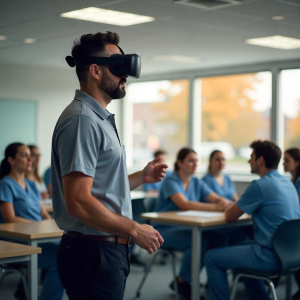
- Virtual Reality (VR) and Augmented Reality (AR) in Training: VR and AR technologies are transforming nursing education and training by providing immersive and realistic simulations of clinical scenarios, allowing nurses to practice skills and decision-making in a safe environment.
A Heightened Focus on Mental Health and Well-being in Nursing
The demanding nature of nursing, often involving long hours, high-stress situations, and emotional strain, has brought the mental health and well-being of nurses into sharp focus. The recognition of burnout and chronic stress as significant threats to both nurses and patient care is driving a growing emphasis on initiatives that support nurses’ holistic well-being.
Impact and Opportunities:
- Workplace Wellness Programs: Healthcare organizations are increasingly implementing programs aimed at promoting nurses’ mental and physical health, including access to counseling services, stress management workshops, mindfulness training, and resources for work-life balance. Some hospitals are even creating on-site mental health support for their staff.
- Flexible Scheduling and Staffing Models: Recognizing the impact of fatigue and overwork, there is a growing trend towards more flexible scheduling options and innovative staffing models that aim to reduce workload and promote better distribution of responsibilities.
- Peer Support Networks: The establishment of peer support groups and mentorship programs provides nurses with a safe space to share experiences, discuss challenges, and offer emotional support to one another. Initiatives like “Code Lavender” in some hospitals offer immediate peer support after traumatic events.
- Leadership Emphasis on Well-being: Healthcare leaders are increasingly recognizing their role in fostering a supportive and healthy work environment. This includes promoting a culture of open communication, providing resources for self-care, and actively addressing systemic factors that contribute to nurse burnout.
- Technology-Enabled Wellness Support: Mobile apps and digital platforms are emerging to provide nurses with tools for meditation, stress tracking, and access to mental health resources on the go.
The Expanding Role of Advanced Practice Nurses (APNs)
Addressing the growing shortage of physicians and the increasing complexity of patient care, Advanced Practice Nurses (APNs), including Nurse Practitioners (NPs), Clinical Nurse Specialists (CNSs), Certified Nurse-Midwives (CNMs), and Certified Registered1 Nurse Anesthetists (CRNAs), are taking on increasingly significant roles within the healthcare system.
Impact and Opportunities:
- Bridging the Care Gap: APNs are crucial in expanding access to care, particularly in primary care and underserved areas, where they can provide a wide range of services, including diagnosis, treatment, and management of acute and chronic conditions. In Kenya, APNs are being recognized for their potential to manage conditions under the supervision of specialists, reducing patient wait times.
- Specialized Care Expertise: CNSs bring specialized knowledge and skills to specific patient populations or clinical areas, providing expert consultation and contributing to evidence-based practice.
- Leadership and Policy Influence: Experienced APNs are increasingly moving into leadership roles, contributing to organizational decision-making and influencing healthcare policy at local and national levels.
- Increased Autonomy and Scope of Practice: In many regions, APNs are advocating for and achieving expanded scope of practice, allowing them to practice to the full extent of their education and certification, further enhancing their ability to meet patient needs.
- Mentorship and Education: APNs play a vital role in mentoring and educating the next generation of nurses, contributing to the advancement of the profession.
The Imperative of Interoperability and Data Analytics
In an increasingly digital healthcare ecosystem, the seamless exchange and meaningful use of patient data across different systems and settings—known as interoperability—is paramount. Coupled with the power of data analytics, this trend is transforming how nurses access, interpret, and utilize information to improve patient care and outcomes.
Impact and Opportunities:
- Holistic Patient View: Interoperable EHRs provide nurses with a comprehensive and real-time view of a patient’s medical history, medications, allergies, and test results, regardless of where the patient has received care. This reduces the risk of errors and ensures more informed decision-making.
- Improved Care Coordination: Seamless data exchange between hospitals, clinics, and home healthcare agencies facilitates better coordination of care transitions, preventing gaps in communication and ensuring continuity of treatment.
- Enhanced Clinical Decision Support: Data analytics tools can identify patterns and trends in patient data, providing nurses with insights that support clinical decision-making, such as identifying patients at high risk for readmission or predicting potential adverse events.
- Personalized Interventions: By analyzing individual patient data, including lifestyle factors and genomic information, data analytics can help nurses tailor interventions and develop personalized care plans.
- Population Health Management: Aggregated and analyzed data can provide valuable insights into population health trends, allowing nurses to participate in initiatives aimed at disease prevention and health promotion within communities.
The Growing Significance of Genomics in Nursing
The field of genomics, the study of genes and their functions, is increasingly influencing healthcare, and nursing is no exception. As our understanding of the genetic basis of health and disease expands, nurses will play a crucial role in integrating genomic information into patient care.

The Pulse of Progress: Emerging Trends Shaping Nursing in 2025
Impact and Opportunities:
- Personalized Risk Assessment: Nurses will be involved in collecting family health history and potentially genetic information to assess individual patients’ risk for certain diseases.
- Pharmacogenomics: Understanding how a patient’s genetic makeup influences their response to medications will enable nurses to administer drugs more safely and effectively.
- Genetic Counseling and Education: Nurses will need to be equipped to provide patients and families with information and support related to genetic testing and its implications.
- Ethical Considerations: As genomic information becomes more integrated into healthcare, nurses will play a vital role in addressing the ethical, legal, and social implications associated with its use.
- Specialized Nursing Roles: The increasing complexity of genomics will likely lead to the development of specialized roles for nurses with advanced knowledge in this area.
The Drive for Sustainability in Healthcare
The healthcare sector has a significant environmental footprint, and there is a growing movement towards sustainable practices. Nurses, as the largest group of healthcare professionals, have a crucial role to play in promoting environmentally responsible care.
Impact and Opportunities:
- Reducing Waste: Nurses can implement practices to minimize waste in their daily work, such as proper segregation of medical waste, reducing the use of disposable supplies, and promoting reusable alternatives.
- Energy Conservation: Simple actions like turning off lights and equipment when not in use can contribute to energy savings within healthcare facilities.
- Promoting Green Procurement: Nurses can advocate for the use of environmentally friendly products and supplies.
- Educating Patients and Colleagues: Nurses can educate patients and other healthcare professionals about sustainable healthcare practices.
- Leading Sustainability Initiatives: Nurses are increasingly taking leadership roles in implementing and promoting sustainability initiatives within their organizations.

The Pulse of Progress: Emerging Trends Shaping Nursing in 2025
Conclusion: Embracing the Future of Nursing
The nursing profession in 2025 is dynamic and evolving at an unprecedented pace. The trends discussed above—the rise of telehealth and virtual nursing, the integration of AI and technology, the focus on nurse well-being, the expanding roles of APNs, the imperative of interoperability and data analytics, the growing significance of genomics, and the drive for sustainability—present both challenges and tremendous opportunities for nurses.
To thrive in this evolving landscape, nurses must embrace lifelong learning, develop new skills, and advocate for policies that support innovation and prioritize both patient and professional well-being. By staying informed and actively participating in these emerging trends, nurses will continue to be the driving force behind high-quality, compassionate, and future-forward healthcare. The pulse of progress in nursing is strong, and its rhythm will continue to shape the health and well-being of communities for years to come.
Needs help with Nursing Assignment?
We are available 24x7 to deliver the best services and assignment ready within 3-4 hours? Order a custom-written, plagiarism-free paper
 Get Answer Over WhatsApp
 Order Paper Now
