
Patient Counseling: Importance, Techniques, and Benefits in Modern Healthcare
/in Uncategorized /by developerTable of Contents
TogglePatient Counseling: Importance, Techniques, and Best Practices in Modern Healthcare
What Is Patient Counseling?



Patient counseling refers to the process where healthcare professionals provide guidance, information, and emotional support to patients regarding their health conditions, treatment plans, medications, and lifestyle choices. It is an essential component of modern healthcare that promotes understanding, improves compliance, and enhances overall patient outcomes.
Patient counseling goes beyond simply giving instructions. It involves meaningful communication, empathy, and collaboration between healthcare providers and patients to ensure informed decision-making and effective treatment adherence.
According to the World Health Organization, effective communication and patient engagement are critical to improving healthcare quality and patient safety worldwide.
Importance of Patient Counseling in Healthcare
1. Improves Treatment Adherence
One of the biggest challenges in healthcare is ensuring patients follow prescribed treatments correctly. Patient counseling helps individuals understand:
Why medications are necessary
How and when to take them
Possible side effects
Importance of completing treatment
When patients understand their treatment, they are more likely to comply, leading to better health outcomes.
2. Enhances Patient Understanding
Medical terms can be complex and confusing. Patient counseling simplifies medical information into understandable language, ensuring patients:
Know their diagnosis
Understand treatment options
Recognize warning signs
Make informed decisions
3. Builds Trust Between Patient and Provider
Effective counseling fosters trust and openness. Patients feel more comfortable discussing symptoms, fears, and concerns, allowing healthcare professionals to provide personalized care.
4. Reduces Anxiety and Fear
Being diagnosed with an illness can cause stress and emotional distress. Counseling helps patients:
Cope with diagnosis
Manage emotional reactions
Feel supported and reassured
Stay motivated during treatment
5. Promotes Preventive Healthcare
Patient counseling is not limited to treatment. It also encourages prevention by educating patients about:
Healthy lifestyle habits
Disease prevention
Routine screenings
Vaccinations
Key Components of Effective Patient Counseling


1. Active Listening
Healthcare providers must listen carefully to patient concerns without interrupting. Active listening helps identify patient needs and improves communication.
2. Clear Communication
Use simple language and avoid medical jargon. Visual aids, demonstrations, and written instructions can enhance understanding.
3. Empathy and Respect
Showing empathy helps patients feel valued and understood. Respecting cultural beliefs and personal preferences is essential for effective counseling.
4. Patient Education
Provide detailed information about:
Disease condition
Medication usage
Lifestyle modifications
Follow-up care
5. Feedback and Confirmation
Ask patients to repeat instructions to confirm understanding. This technique ensures information is correctly received.
Types of Patient Counseling
Medication Counseling
Medication counseling ensures patients understand:
Dosage and timing
Side effects
Drug interactions
Storage instructions
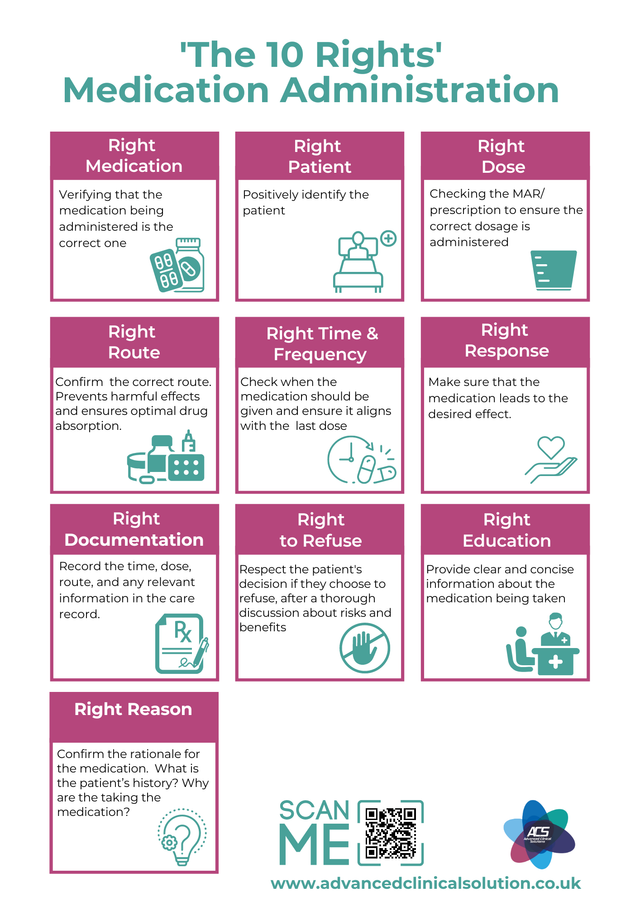
Pharmacists and nurses play a major role in medication counseling to prevent misuse and errors.
Disease Management Counseling
Patients with chronic illnesses such as diabetes, hypertension, and asthma require continuous counseling to manage their conditions effectively.
Lifestyle Counseling
Lifestyle counseling focuses on:
Nutrition and diet
Exercise routines
Smoking cessation
Alcohol reduction
Stress management
Mental Health Counseling
Mental health support helps patients cope with anxiety, depression, trauma, and other emotional challenges linked to illness or life circumstances.
Pre- and Post-Treatment Counseling
Before and after procedures or surgeries, counseling helps patients prepare and recover effectively by understanding expectations and aftercare.
Patient Counseling Techniques for Healthcare Professionals
Use Open-Ended Questions
Encourage patients to share more by asking questions like:
“How are you feeling about your diagnosis?”
“What concerns do you have about your treatment?”
Apply the Teach-Back Method
Ask patients to explain the information in their own words. This ensures they fully understand instructions.
Maintain Privacy and Confidentiality
Conduct counseling in a private setting to encourage open communication and protect patient confidentiality.
Use Visual and Digital Tools
Charts, diagrams, and mobile health apps can improve understanding and engagement.
Provide Written Instructions
Written materials help patients remember important information after leaving the healthcare facility.
Role of Patient Counseling in Chronic Disease Management
Chronic diseases require long-term treatment and lifestyle changes. Patient counseling plays a vital role in:
Managing diabetes
Controlling hypertension
Supporting heart disease patients
Improving asthma management
Regular counseling sessions help patients stay motivated and committed to treatment plans.
Benefits of Patient Counseling for Healthcare Systems
Patient counseling benefits not only individuals but also healthcare systems by:
Reducing hospital readmissions
Minimizing medication errors
Improving patient satisfaction
Lowering healthcare costs
Enhancing treatment outcomes
Healthcare facilities that prioritize patient counseling often experience improved quality of care and stronger patient relationships.
Challenges in Patient Counseling
Despite its importance, patient counseling faces several challenges:
Time constraints in busy healthcare settings
Language and cultural barriers
Low health literacy
Patient resistance or fear
Limited resources
Addressing these challenges requires training, technology integration, and patient-centered approaches.
Digital Transformation in Patient Counseling
Technology is transforming patient counseling through:
Telehealth consultations
Mobile health apps
Online patient portals
Video counseling sessions
AI-powered health education tools
Digital platforms make counseling more accessible, especially in remote areas and underserved communities.
Best Practices for Effective Patient Counseling
To deliver effective patient counseling, healthcare providers should:
Create a comfortable environment
Use simple, clear language
Encourage questions
Provide personalized advice
Follow up regularly
Respect cultural and personal beliefs
Consistency and compassion are key to successful patient counseling.
Future of Patient Counseling in Healthcare
The future of patient counseling will focus on personalized care, digital integration, and preventive healthcare. With increasing awareness of patient-centered care, counseling will continue to play a crucial role in improving health outcomes globally.
Healthcare professionals who develop strong counseling skills will be better equipped to:
Educate patients effectively
Improve adherence to treatment
Enhance patient satisfaction
Deliver high-quality healthcare
Conclusion
Patient counseling is a cornerstone of effective healthcare delivery. It empowers patients with knowledge, supports emotional well-being, and ensures better treatment outcomes. From medication guidance to lifestyle advice and mental health support, counseling strengthens the relationship between healthcare providers and patients.
Needs help with Nursing Assignment?
We are available 24x7 to deliver the best services and assignment ready within 3-4 hours? Order a custom-written, plagiarism-free paper
 Get Answer Over WhatsApp
 Order Paper Now

