
Advanced Clinical Nursing Guide: Skills, Practice, and Patient Care Strategies
/in Uncategorized /by developerTable of Contents
ToggleAdvanced Clinical Nursing Guide: A Complete Resource for Modern Healthcare Professionals



Introduction
The healthcare industry continues to evolve rapidly, requiring nurses to expand their knowledge, improve their clinical skills, and adopt advanced patient-care techniques. An advanced clinical nursing guide serves as an essential resource for nurses who want to deliver high-quality, evidence-based care in complex healthcare environments.
Advanced clinical nursing goes beyond basic bedside care. It integrates critical thinking, advanced diagnostics, patient management strategies, leadership skills, and interdisciplinary collaboration to improve patient outcomes. This guide explores the core principles, skills, and strategies that define advanced clinical nursing practice.
Whether you are a registered nurse, nurse practitioner, clinical nurse specialist, or nursing student preparing for higher responsibilities, understanding advanced clinical nursing practices is essential for professional growth and patient safety.
What Is Advanced Clinical Nursing?
Advanced clinical nursing refers to specialized nursing practice that involves higher-level decision-making, advanced assessment techniques, and independent patient management.
It combines:
Advanced clinical knowledge
Evidence-based practice
Leadership and decision-making
Patient-centered care
Interdisciplinary collaboration
Professionals in advanced clinical nursing roles often include:
Nurse Practitioners (NPs)
Clinical Nurse Specialists (CNS)
Nurse Anesthetists (CRNA)
Nurse Midwives
These professionals typically hold advanced degrees such as a Master of Science in Nursing (MSN) or Doctor of Nursing Practice (DNP).
Core Principles of Advanced Clinical Nursing Practice
1. Evidence-Based Patient Care
Evidence-based practice (EBP) is the foundation of advanced clinical nursing. It ensures that patient care decisions are based on the most current research, clinical expertise, and patient preferences.
Key components include:
Reviewing current medical research
Applying clinical guidelines
Evaluating patient outcomes
Continuous quality improvement
By implementing evidence-based care, nurses can reduce medical errors, improve treatment outcomes, and enhance patient satisfaction.
2. Advanced Clinical Assessment

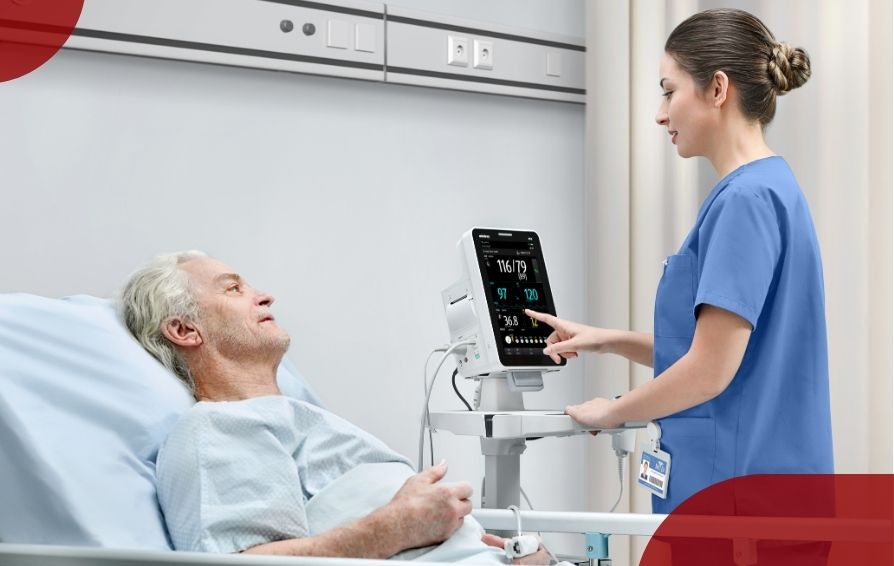
Advanced clinical assessment involves comprehensive evaluation of a patient’s physical, psychological, and social health status.
Important assessment techniques include:
Comprehensive Patient History
Gathering detailed patient information including:
Medical history
Medication use
Family health background
Lifestyle factors
Physical Examination
A systematic examination using techniques such as:
Inspection
Palpation
Percussion
Auscultation
Diagnostic Interpretation
Advanced nurses often interpret:
Laboratory results
Imaging reports
Diagnostic tests
Accurate assessment enables nurses to identify early signs of disease and initiate appropriate interventions.
Clinical Decision-Making in Nursing
Advanced clinical nursing requires strong decision-making skills. Nurses must analyze patient data, prioritize care needs, and implement effective treatment strategies.
Clinical decision-making involves:
Identifying patient problems
Analyzing clinical data
Developing a care plan
Implementing interventions
Evaluating outcomes
This process ensures that patient care remains safe, efficient, and personalized.
Advanced Patient Care Techniques
Critical Care Management


Critical care nursing is one of the most demanding areas of advanced clinical practice. It involves caring for patients with life-threatening conditions in intensive care units (ICUs).
Responsibilities include:
Monitoring vital signs continuously
Managing ventilators and life-support equipment
Administering complex medications
Responding to emergencies
Advanced nurses must remain calm under pressure and act quickly during critical situations.
Chronic Disease Management
Chronic illnesses such as diabetes, heart disease, and hypertension require long-term management strategies.
Advanced nurses help patients by:
Creating personalized care plans
Monitoring disease progression
Educating patients on lifestyle changes
Coordinating multidisciplinary care
Effective chronic disease management improves quality of life and reduces hospital readmissions.
Patient Education and Advocacy
Patient education is a key component of advanced clinical nursing. Nurses play a vital role in helping patients understand their medical conditions and treatment options.
Effective patient education involves:
Explaining diagnoses clearly
Demonstrating medication usage
Teaching self-care techniques
Providing discharge instructions
In addition, nurses serve as patient advocates by ensuring that patients receive respectful, ethical, and safe care.
Leadership in Advanced Clinical Nursing
Advanced nurses often take leadership roles within healthcare teams. Their responsibilities extend beyond direct patient care.
Leadership activities include:
Supervising nursing staff
Coordinating patient care teams
Developing clinical protocols
Mentoring junior nurses
Implementing healthcare improvements
Strong leadership improves teamwork, efficiency, and patient outcomes.
Technology in Advanced Clinical Nursing
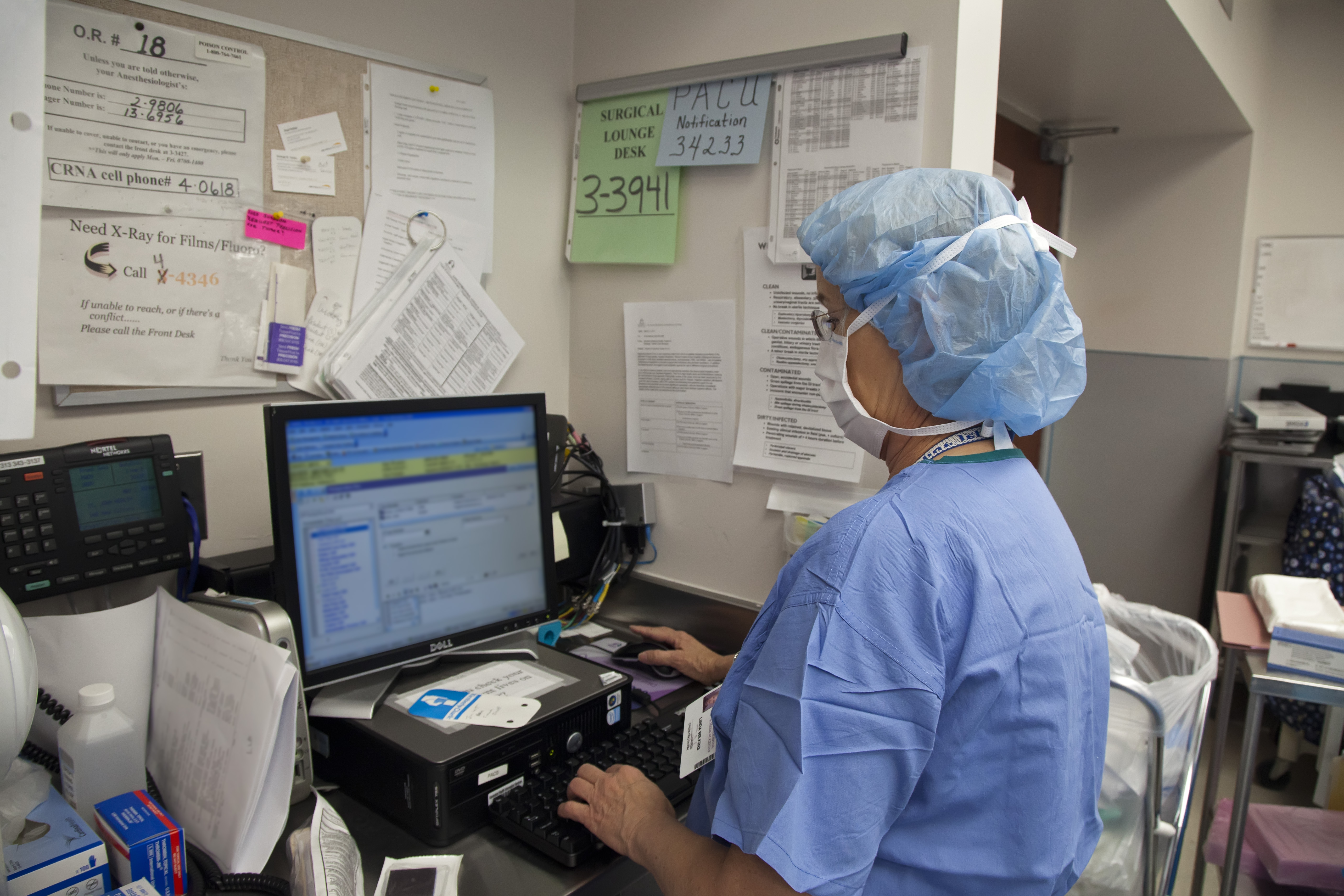


Technology plays an increasingly important role in modern nursing practice.
Common healthcare technologies include:
Electronic Health Records (EHR)
Telehealth platforms
Patient monitoring systems
Diagnostic software
Medication management systems
Advanced nurses must stay updated with digital tools to enhance efficiency and improve patient safety.
Ethical and Legal Considerations
Ethics and legal responsibilities are central to advanced clinical nursing.
Nurses must adhere to principles such as:
Patient confidentiality
Informed consent
Professional accountability
Non-maleficence (do no harm)
Beneficence (act in the patient’s best interest)
Failure to follow ethical guidelines can lead to legal consequences and compromised patient care.
Interdisciplinary Collaboration
Healthcare delivery requires teamwork among different professionals.
Advanced clinical nurses collaborate with:
Physicians
Pharmacists
Physical therapists
Social workers
Healthcare administrators
Effective communication among healthcare professionals ensures coordinated and comprehensive patient care.
Professional Development for Advanced Nurses
Continuous learning is necessary for maintaining clinical competence.
Professional development opportunities include:
Advanced nursing certifications
Continuing education programs
Clinical workshops and seminars
Research participation
Leadership training
Lifelong learning enables nurses to stay updated with new medical advancements.
Benefits of Using an Advanced Clinical Nursing Guide
A structured advanced clinical nursing guide offers several benefits:
Improved Patient Care
Standardized clinical procedures help reduce medical errors.
Better Clinical Confidence
Nurses gain the knowledge needed to manage complex cases.
Enhanced Career Opportunities
Advanced skills open doors to specialized nursing roles.
Stronger Healthcare Systems
Highly trained nurses contribute to efficient healthcare delivery.
Future Trends in Advanced Clinical Nursing
The future of nursing will continue to expand with technological innovations and healthcare reforms.
Key trends include:
Telehealth and remote patient monitoring
Artificial intelligence in healthcare diagnostics
Personalized medicine
Expanded nurse practitioner roles
Global healthcare collaboration
Advanced nurses will play a crucial role in shaping the future of patient care.
Conclusion
An advanced clinical nursing guide is an essential resource for healthcare professionals seeking to deliver high-quality patient care in modern medical environments. By mastering advanced assessment techniques, clinical decision-making, leadership skills, and technology integration, nurses can significantly improve patient outcomes.
As healthcare systems become more complex, the role of advanced clinical nurses will continue to grow. Investing in professional education, evidence-based practice, and collaborative healthcare approaches ensures that nurses remain at the forefront of patient care excellence.
Needs help with Nursing Assignment?
We are available 24x7 to deliver the best services and assignment ready within 3-4 hours? Order a custom-written, plagiarism-free paper
 Get Answer Over WhatsApp
 Order Paper Now

