Nursing Homework Help

ADN Nursing: A Comprehensive Guide to Associate Degree in Nursing Programs and Career Opportunities

The demand for qualified nurses is increasing globally, making nursing one of the most rewarding and stable career choices. One of the quickest ways to enter the nursing profession is by earning an Associate Degree in Nursing (ADN). This degree offers a fast-tracked entry into nursing, providing essential knowledge and hands-on training required to become a registered nurse (RN). This guide explores everything about ADN nursing, including program details, career prospects, salary expectations, and future opportunities.

ADN Nursing

ADN Nursing

What is an ADN in Nursing?

An Associate Degree in Nursing (ADN) is a two-year nursing program that prepares students to become registered nurses (RNs). It is a cost-effective and time-efficient alternative to a Bachelor of Science in Nursing (BSN). ADN programs focus on essential nursing skills, patient care, and clinical training to equip graduates with the expertise needed for entry-level nursing positions.

Benefits of Pursuing an ADN in Nursing

  1. Shorter Duration – ADN programs typically take two years to complete, making them a quicker route to becoming a nurse than BSN programs.
  2. Affordable Education – ADN programs are more cost-effective than four-year nursing degrees, making them accessible to more students.
  3. High Demand for RNs – With an ADN, graduates can apply for RN licensure and start working in the healthcare industry sooner.
  4. Pathway to Career Advancement – ADN graduates can later pursue BSN or MSN degrees through bridge programs while working as RNs.
  5. Hands-On Training – ADN programs provide extensive clinical experience, ensuring graduates are well-prepared for real-world nursing roles.

Admission Requirements for ADN Programs

Admission into ADN programs varies depending on the institution, but common requirements include:

  • High school diploma or GED
  • Prerequisite courses (e.g., biology, chemistry, and anatomy)
  • Minimum GPA requirement
  • Entrance exams such as TEAS (Test of Essential Academic Skills)
  • Background check and drug screening
  • CPR certification (some programs require this before clinical rotations)

Curriculum and Coursework

ADN programs combine theoretical knowledge with clinical practice. The curriculum covers subjects such as:

  • Fundamentals of Nursing – Basic nursing skills, patient care, and medical procedures.
  • Human Anatomy and Physiology – Understanding the human body’s structure and functions.
  • Microbiology – Studying microorganisms and their impact on health.
  • Pharmacology – Learning about medications, dosages, and their effects.
  • Psychiatric Nursing – Mental health nursing, therapeutic communication, and psychological disorders.
  • Maternal and Child Nursing – Care for pregnant women, infants, and pediatric patients.
  • Medical-Surgical Nursing – Treating adult patients with medical conditions and post-surgical care.
  • Nursing Ethics and Legal Aspects – Ethical principles and laws governing nursing practice.
  • Clinical Rotations – Hands-on training in hospitals, clinics, and healthcare facilities.
ADN Nursing

ADN Nursing

Licensure: NCLEX-RN Exam

After completing an ADN program, graduates must pass the National Council Licensure Examination for Registered Nurses (NCLEX-RN) to obtain their RN license. This exam tests knowledge in:

  • Patient safety
  • Health promotion
  • Pharmacological therapies
  • Physiological integrity
  • Risk reduction and infection control

Passing the NCLEX-RN is mandatory to practice as a registered nurse.

Career Opportunities with an ADN Degree

ADN nurses can work in various healthcare settings, including:

  1. Hospitals – Emergency departments, medical-surgical units, maternity wards, and intensive care units (ICU).
  2. Clinics and Physician’s Offices – Assisting doctors, administering medications, and conducting routine checkups.
  3. Long-Term Care Facilities – Caring for elderly and chronically ill patients.
  4. Home Healthcare Services – Providing medical care to patients at home.
  5. Rehabilitation Centers – Assisting patients recovering from surgery or illness.
  6. Public Health and Community Nursing – Educating communities about healthcare and disease prevention.
  7. Travel Nursing – Working in different healthcare facilities across various locations.
  8. School Nursing – Caring for students and addressing medical emergencies in educational institutions.

Salary Expectations for ADN Nurses

The salary of an ADN nurse varies based on experience, location, and work setting. According to the U.S. Bureau of Labor Statistics (BLS), the average annual salary for registered nurses (including ADN and BSN holders) is around $75,000. However, ADN nurses typically start with an entry-level salary between $55,000 and $70,000 per year, depending on their state and employer.

ADN vs. BSN: Which is Better?

Both ADN and BSN degrees lead to becoming an RN, but they differ in several aspects:

FactorADNBSN
Duration2 years4 years
CostLower tuitionHigher tuition
Job OpportunitiesEntry-level RN positionsMore career advancement options
Salary PotentialCompetitiveHigher earning potential
Further EducationCan transition to BSN laterCan pursue MSN, NP, or DNP

Many employers prefer hiring BSN nurses due to their advanced education, but ADN nurses can bridge the gap by enrolling in RN-to-BSN programs.

Career Advancement Opportunities for ADN Nurses

ADN nurses can further their careers by:

  • Pursuing a BSN Degree – Enrolling in an RN-to-BSN program while working.
  • Specializing in a Nursing Field – Gaining certifications in areas like critical care, pediatrics, or oncology.
  • Becoming a Nurse Educator – Teaching nursing students after obtaining advanced education.
  • Pursuing a Master of Science in Nursing (MSN) – Becoming a nurse practitioner (NP) or nurse anesthetist (CRNA).
  • Working in Nursing Leadership – Advancing into administrative or managerial roles.
ADN Nursing

ADN Nursing

Challenges of an ADN Nursing Career

While ADN nursing offers numerous benefits, it comes with challenges such as:

  • Competitive Job Market – Some hospitals prefer BSN nurses over ADN graduates.
  • Physically Demanding Work – Nurses often work long shifts and handle physically intensive tasks.
  • Continuing Education Requirements – Many employers encourage ADN nurses to obtain a BSN for career growth.
  • Emotional Strain – Dealing with patient suffering and loss can be emotionally taxing.

Conclusion

An Associate Degree in Nursing (ADN) is an excellent option for individuals looking to enter the nursing field quickly and affordably. While it provides a pathway to becoming a registered nurse, further education and specialization can open doors to higher salaries and career growth. Whether you plan to start your career with an ADN or use it as a stepping stone toward a BSN or MSN, nursing remains a fulfilling and dynamic profession with countless opportunities to make a difference in people’s lives.

Needs help with Nursing Assignment?

We are available 24x7 to deliver the best services and assignment ready within 3-4 hours? Order a custom-written, plagiarism-free paper

Get Answer Over WhatsApp Order Paper Now
Theoretical Nursing

Theoretical Nursing: Understanding Key Concepts and How to Apply Them in Nursing Assignments

Theoretical nursing is the backbone of the nursing profession, providing a structured foundation for practice, education, and research. Understanding nursing theories is essential for students as they form the guiding principles behind patient care, decision-making, and policy development. However, applying these theories in nursing assignments can be challenging, requiring critical thinking and analytical skills.

In this blog, we will delve into the key concepts of theoretical nursing, explore major nursing theories, and provide practical tips on applying them in nursing assignments. Whether you are a student struggling with nursing theory papers or a professional looking to enhance your theoretical knowledge, this guide will provide valuable insights.


Theoretical Nursing

Theoretical Nursing

Understanding Theoretical Nursing

Theoretical nursing refers to the systematic study and application of nursing theories that explain, describe, and predict nursing phenomena. It helps nurses understand their roles, define best practices, and improve patient care. Theories in nursing are developed based on research, experience, and observation, and they play a crucial role in guiding nursing practice and education.

Importance of Theoretical Nursing

  1. Provides a Framework for Practice – Nursing theories offer structured guidelines for decision-making, patient care, and nursing interventions.
  2. Enhances Critical Thinking – Understanding nursing theories enables nurses to analyze situations, predict outcomes, and make informed clinical decisions.
  3. Supports Nursing Research – Theoretical frameworks guide nursing research, helping in the formulation of hypotheses and interpretation of findings.
  4. Improves Patient Care – By applying nursing theories, nurses can provide patient-centered care that is evidence-based and ethically sound.
  5. Guides Nursing Education – Theories form the foundation of nursing curricula, helping students understand the principles of healthcare delivery.

Major Nursing Theories and Their Applications

Several nursing theories have shaped the profession over the years. Below are some of the most influential ones:

1. Florence Nightingale’s Environmental Theory

Overview: This theory emphasizes the importance of a healthy environment in patient recovery. Nightingale believed that factors such as cleanliness, fresh air, proper ventilation, and adequate lighting contribute to better health outcomes.

Application in Assignments: When writing about this theory, students can discuss how environmental factors influence patient care and relate it to modern healthcare settings such as infection control and hospital hygiene.

2. Virginia Henderson’s Need Theory

Overview: Henderson defined nursing as assisting individuals in activities that contribute to health, recovery, or a peaceful death. She outlined 14 basic human needs that nurses should address in patient care.

Application in Assignments: Nursing students can apply this theory in case studies by analyzing how nurses meet patients’ physiological, psychological, and social needs in different healthcare settings.

Theoretical Nursing

Theoretical Nursing

3. Dorothea Orem’s Self-Care Deficit Nursing Theory

Overview: This theory focuses on the concept of self-care and the role of nurses in assisting patients who are unable to care for themselves due to illness or disability.

Application in Assignments: Students can use this theory to analyze patient care scenarios where nurses support self-care activities such as hygiene, nutrition, and mobility.

4. Jean Watson’s Theory of Human Caring

Overview: Watson’s theory emphasizes the importance of caring relationships between nurses and patients, advocating for holistic, compassionate care.

Application in Assignments: Nursing students can incorporate this theory into essays discussing emotional support in nursing, patient-nurse relationships, and mental health nursing.

5. Betty Neuman’s Systems Model

Overview: This theory views patients as open systems interacting with internal and external stressors. It highlights the importance of preventive care and patient adaptation.

Application in Assignments: Nursing students can use this model to evaluate how nurses help patients cope with stressors through preventive interventions.

6. Madeleine Leininger’s Transcultural Nursing Theory

Overview: Leininger’s theory focuses on culturally competent nursing care, emphasizing the need to understand patients’ cultural backgrounds and beliefs.

Application in Assignments: This theory is essential in assignments discussing cultural sensitivity, diversity in healthcare, and global nursing practices.


How to Apply Nursing Theories in Assignments

Applying nursing theories in assignments requires a structured approach. Below are key steps to ensure clarity and relevance:

1. Understand the Assignment Requirements

Before applying any theory, carefully analyze the assignment prompt. Identify whether it requires theoretical analysis, application to a case study, or a comparative evaluation of different theories.

2. Choose the Appropriate Theory

Select a nursing theory that aligns with the assignment topic. For example, if writing about patient-centered care, Jean Watson’s Theory of Human Caring would be relevant.

3. Define the Theory

Provide a brief explanation of the chosen theory, its key concepts, and the theorist behind it. This gives context to your discussion.

4. Relate the Theory to Nursing Practice

Use real-world examples or case studies to demonstrate how the theory applies in nursing practice. This strengthens your argument and enhances credibility.

5. Analyze Strengths and Limitations

Critically evaluate the benefits and limitations of the theory in nursing practice. Discuss its relevance in contemporary healthcare settings.

Theoretical Nursing

Theoretical Nursing

6. Support with Evidence

Use scholarly sources, peer-reviewed journals, and nursing textbooks to back up your points. Proper citations enhance the quality of your assignment.

7. Provide a Conclusion

Summarize the key points, restate the significance of the theory, and offer recommendations for its application in nursing.


Common Challenges in Applying Nursing Theories and How to Overcome Them

  1. Difficulty Understanding Complex Theories – Break down theories into simpler components and use diagrams or charts for better understanding.
  2. Lack of Practical Examples – Relate theories to real-life nursing scenarios to illustrate their application.
  3. Inadequate Research Materials – Utilize academic databases such as PubMed, CINAHL, and Google Scholar to access credible sources.
  4. Confusion Between Similar Theories – Create comparison tables to highlight differences and similarities among theories.

Theoretical Nursing

Theoretical Nursing

Conclusion

Theoretical nursing is an essential aspect of the nursing profession, providing the foundation for nursing practice, education, and research. Understanding and applying nursing theories in assignments requires critical thinking and a structured approach. By selecting the right theory, relating it to practice, analyzing its strengths and limitations, and supporting arguments with credible evidence, nursing students can craft well-researched assignments that reflect their understanding of nursing principles.

Mastering theoretical nursing not only enhances academic performance but also prepares students for real-world nursing practice, ensuring they provide high-quality, patient-centered care.

Needs help with Nursing Assignment?

We are available 24x7 to deliver the best services and assignment ready within 3-4 hours? Order a custom-written, plagiarism-free paper

Get Answer Over WhatsApp Order Paper Now
Geriatric

Best Online Resource for Geriatric Nursing Assignment Help: NurseHomework.com

Geriatric nursing is a specialized field that requires in-depth knowledge of elderly care, chronic disease management, and ethical considerations. Nursing students often face challenges in completing assignments due to the complexity of geriatric healthcare topics. These assignments demand extensive research, critical thinking, and adherence to evidence-based practices.

At NurseHomework.com, we understand these challenges and provide expert assistance to help students excel in their geriatric nursing coursework. Whether you need help with case studies, research papers, care plans, or essays, our platform offers reliable and high-quality academic support tailored to your needs. Our services ensure that students not only submit well-researched assignments but also enhance their understanding of geriatric nursing concepts.

Geriatric Nursing Assignment Help

Geriatric Nursing Assignment Help

Understanding Geriatric Nursing Assignments

What Is Geriatric Nursing?

Geriatric nursing, also known as elder care nursing, focuses on providing healthcare to aging populations. This field requires nurses to understand the physiological, psychological, and social aspects of aging. Geriatric nurses work in various settings, including hospitals, nursing homes, assisted living facilities, and home care services. Their primary role is to promote the well-being of elderly patients by managing chronic illnesses, preventing complications, and ensuring a high quality of life.

Common Challenges in Geriatric Nursing Assignments

  1. Complex Patient Needs – Older adults often suffer from multiple chronic conditions, requiring detailed care plans and nursing interventions.
  2. Ethical Considerations – Issues such as patient autonomy, consent, and end-of-life care make assignments more challenging.
  3. Research and Evidence-Based Practice – Geriatric nursing assignments require extensive research from credible sources to support nursing interventions.
  4. Medical Terminology and Concepts – Understanding geriatric syndromes like dementia, osteoporosis, frailty, and polypharmacy is essential.
  5. Academic Formatting – Proper citation and adherence to APA, Harvard, or other academic writing styles are crucial for a well-structured paper.

Given these challenges, students turn to online resources like NurseHomework.com for expert guidance and assistance in completing their assignments effectively.

Geriatric Nursing Assignment Help

Geriatric Nursing Assignment Help

Why Choose NurseHomework.com for Geriatric Nursing Assignments?

1. Expert Nursing Writers

At NurseHomework.com, our team consists of highly qualified nursing professionals and academic writers who specialize in geriatric care. They have extensive experience in academic writing and understand the latest nursing practices and guidelines. This ensures that your assignments meet academic and professional standards, leading to better grades and a deeper understanding of the subject matter.

2. Plagiarism-Free, High-Quality Content

Originality is crucial in academic writing. At NurseHomework.com, all assignments are 100% plagiarism-free and thoroughly researched. Our experts ensure that every paper is written from scratch, incorporating up-to-date research, credible references, and proper citations. We also provide plagiarism reports upon request to guarantee the authenticity of our work.

3. 24/7 Support for Urgent Assignments

We understand that nursing students often face tight deadlines. That’s why we offer round-the-clock assistance to ensure that you meet your submission deadlines without compromising quality. Whether you need an urgent assignment, last-minute revisions, or clarification on any topic, our dedicated support team is always available to help.

4. Affordable Pricing for Students

We recognize that students operate on a limited budget. That’s why NurseHomework.com offers competitive pricing, discounts, and flexible payment options to make high-quality nursing assignment help accessible to all students. Our goal is to provide excellent service at an affordable price without compromising on quality.

5. Comprehensive Assistance on All Geriatric Nursing Topics

Our experts provide assistance on a wide range of geriatric nursing topics, including:

  • Geriatric patient assessment and care planning
  • Elderly patient safety and fall prevention
  • Chronic disease management in older adults (diabetes, hypertension, osteoporosis, dementia, etc.)
  • Geriatric syndromes and their impact on patient care
  • Palliative and end-of-life care
  • Polypharmacy and medication management
  • Ethical dilemmas in geriatric nursing
  • Mental health and cognitive disorders in aging populations
  • Evidence-based geriatric nursing interventions

Regardless of the complexity of your assignment, our experts are equipped to provide well-researched and structured solutions.

Geriatric Nursing Assignment Help

Geriatric Nursing Assignment Help

How NurseHomework.com Works

Step 1: Submit Your Assignment Details

Visit NurseHomework.com and provide the details of your assignment, including the topic, instructions, deadline, word count, and any specific formatting requirements.

Step 2: Get Matched with a Nursing Expert

We assign your work to a qualified nursing writer with expertise in geriatric care. They will carefully review your assignment guidelines and conduct thorough research to provide a high-quality paper.

Step 3: Receive a High-Quality Paper

Your assignment is completed, proofread, and delivered within the set deadline. If you need revisions, we offer free edits to ensure complete satisfaction. We also provide formatting, citation, and reference management to ensure compliance with academic requirements.

Step 4: Review and Submit Your Assignment

After receiving your completed assignment, review the content, and if you have any questions or need further clarifications, our experts are available to assist you.

Additional Benefits of Using NurseHomework.com

  1. Customized Assignments – Each assignment is tailored to your specific requirements and academic level.
  2. Confidentiality and Privacy – We prioritize your privacy and ensure that your personal details remain confidential.
  3. Fast Turnaround Time – We handle both short and long deadlines efficiently, delivering quality work on time.
  4. Free Revisions – If you need any modifications, we offer unlimited revisions until you’re satisfied.
  5. Learning Support – Our work serves as an educational tool, helping you understand key geriatric nursing concepts better.

Success Stories from Nursing Students

Many nursing students have improved their academic performance and gained confidence in geriatric nursing with NurseHomework.com. Here’s what they have to say:

“I was struggling with my geriatric nursing case study, but NurseHomework.com provided me with a well-researched and detailed paper. I scored an A!” – Sarah M., Nursing Student

“The experts at NurseHomework.com understand geriatric care so well! My assignment was perfectly structured, and the citations were flawless.” – John T., Nursing Student

“I was running out of time for my nursing ethics paper, but NurseHomework.com saved me. The quality was beyond my expectations!” – Linda K., Nursing Student

Conclusion

If you’re struggling with geriatric nursing assignments, don’t stress! NurseHomework.com is your ultimate solution for expert academic assistance. We provide high-quality, plagiarism-free, and well-researched nursing assignments to help you succeed in your studies.

With a team of experienced nursing writers, 24/7 support, affordable pricing, and a commitment to excellence, NurseHomework.com ensures that you receive top-notch academic help tailored to your needs.

Don’t let assignments overwhelm you—visit NurseHomework.com today and get the help you need to excel in your geriatric nursing coursework!

Needs help with Nursing Assignment?

We are available 24x7 to deliver the best services and assignment ready within 3-4 hours? Order a custom-written, plagiarism-free paper

Get Answer Over WhatsApp Order Paper Now
MRSA

MRSA Nursing Assignment Help: Expert Guidance for Top Grades

Methicillin-Resistant Staphylococcus aureus (MRSA) is a significant concern in healthcare settings, requiring nurses to be well-informed about its prevention, management, and treatment. Nursing students often encounter assignments related to MRSA that require in-depth research, critical thinking, and application of evidence-based practices.

At NurseHomework.com, we provide comprehensive MRSA nursing assignment help to ensure students grasp key concepts while excelling in their coursework. This blog will cover MRSA’s causes, symptoms, treatment, prevention, and the role of nurses, while also explaining how our expert services can assist you in crafting a high-quality nursing paper.

MRSA

MRSA

Understanding MRSA

What is MRSA?

MRSA is a type of Staphylococcus aureus bacteria that has developed resistance to methicillin and other common antibiotics. It is categorized into two types:

  1. Hospital-Acquired MRSA (HA-MRSA): Contracted in healthcare settings such as hospitals, nursing homes, and surgical units.
  2. Community-Acquired MRSA (CA-MRSA): Spread in community settings through direct contact with infected individuals or contaminated surfaces.

Causes of MRSA

MRSA infections occur due to bacterial resistance resulting from:

  • Overuse or misuse of antibiotics.
  • Poor hygiene and improper infection control measures.
  • Close contact with infected individuals.
  • Weak immune systems, especially in hospitalized patients.
  • Sharing personal items such as razors and towels.

Symptoms of MRSA Infection

  • Painful red bumps that resemble boils or abscesses.
  • Swollen, warm, and pus-filled lesions.
  • Fever and chills.
  • Skin infections that worsen quickly.
  • In severe cases, bloodstream infections, pneumonia, or sepsis.
  • Muscle aches and fatigue.

MRSA Treatment and Management

Antibiotic Therapy

Although MRSA is resistant to methicillin, certain antibiotics remain effective, including:

  • Vancomycin
  • Linezolid
  • Daptomycin
  • Clindamycin (for some strains)
  • Trimethoprim-sulfamethoxazole (TMP-SMX)
  • Rifampin (in combination with other antibiotics)

Infection Control Measures

Nurses play a crucial role in infection prevention through:

  • Hand Hygiene: Regular handwashing using soap and alcohol-based sanitizers.
  • Personal Protective Equipment (PPE): Wearing gloves, gowns, and masks when handling MRSA patients.
  • Isolation Precautions: Placing MRSA patients in single rooms or designated areas to prevent cross-contamination.
  • Wound Care: Properly cleaning and dressing wounds to avoid bacterial spread.
  • Antibiotic Stewardship: Educating patients on proper antibiotic use to minimize resistance development.
  • Regular Screening: Identifying carriers through nasal or wound swabs in high-risk settings.

Alternative Treatment Options

  • Drainage of Infected Wounds: Some MRSA infections require surgical drainage rather than antibiotics.
  • Use of Antiseptic Soaps: Chlorhexidine baths can help decolonize MRSA carriers.
  • Probiotics: Studies suggest that beneficial bacteria might help fight MRSA infections naturally.
  • Phage Therapy: A developing treatment that uses bacteriophages to target MRSA.

Nursing Role in MRSA Prevention

Nurses must be proactive in preventing MRSA outbreaks by:

  1. Educating Patients and Families: Providing guidance on hygiene, wound care, and antibiotic adherence.
  2. Monitoring Patients: Identifying early symptoms of MRSA and ensuring prompt intervention.
  3. Enforcing Hospital Protocols: Adhering to infection control policies and participating in quality improvement initiatives.
  4. Collaborating with Healthcare Teams: Working alongside doctors, pharmacists, and infection control specialists to optimize patient care.
  5. Sterilization of Medical Equipment: Ensuring proper cleaning and disinfection of reusable instruments.
  6. Environmental Cleaning: Regularly disinfecting surfaces in patient care areas to prevent the spread of MRSA.
MRSA

MRSA

Common MRSA Nursing Assignment Topics

Nursing students may receive assignments on various MRSA-related topics, including:

  • Case studies on MRSA-infected patients.
  • Comparing HA-MRSA and CA-MRSA.
  • Infection control measures in hospitals.
  • The role of nurses in antibiotic resistance prevention.
  • Ethical considerations in MRSA patient management.
  • Role of hand hygiene in MRSA prevention.
  • Evaluating the effectiveness of vancomycin in MRSA treatment.
  • MRSA outbreaks in neonatal intensive care units.
  • Public health implications of MRSA.
  • MRSA surveillance and tracking in hospitals.

How NurseHomework.com Can Help

1. Expert Writers

Our team consists of experienced nursing professionals and academic writers who deliver well-researched and plagiarism-free MRSA assignments.

2. Customized Solutions

We provide tailored assignments based on specific guidelines, ensuring compliance with academic standards and formatting styles.

3. Timely Delivery

Meeting deadlines is crucial, and we guarantee on-time submission without compromising quality.

4. Affordable Pricing

We offer budget-friendly pricing plans, making professional nursing assignment help accessible to students worldwide.

5. 24/7 Support

Our customer service team is available around the clock to assist with inquiries, revisions, and order placements.

6. Comprehensive Research Support

Our experts use peer-reviewed journals and the latest medical guidelines to provide accurate and up-to-date information.

7. Formatting and Citation Help

We ensure assignments follow proper formatting styles, such as APA, MLA, or Harvard, as required by nursing schools.

8. Plagiarism-Free Content

All assignments undergo strict plagiarism checks to guarantee originality and academic integrity.

MRSA

MRSA

Tips for Writing a High-Quality MRSA Nursing Assignment

  • Understand the Assignment Prompt: Read the guidelines carefully and identify key requirements.
  • Use Evidence-Based Sources: Reference peer-reviewed journals, CDC, and WHO guidelines.
  • Follow a Clear Structure: Introduction, literature review, analysis, discussion, and conclusion.
  • Incorporate Case Studies: Real-life examples add credibility and depth to your paper.
  • Proofread and Edit: Check for grammar, formatting, and citation accuracy before submission.

Conclusion

MRSA remains a major public health challenge, and nursing students must develop a strong understanding of its management and prevention. Completing MRSA assignments can be daunting, but with expert guidance from NurseHomework.com, you can excel in your studies while gaining valuable knowledge in patient care.

Need MRSA nursing assignment help? Contact NurseHomework.com today for top-quality academic assistance!

Needs help with Nursing Assignment?

We are available 24x7 to deliver the best services and assignment ready within 3-4 hours? Order a custom-written, plagiarism-free paper

Get Answer Over WhatsApp Order Paper Now
Nursing Assignment Help

How to Find the Best Nursing Assignment Help

Nursing students often face complex assignments that require extensive research, critical thinking, and practical application of knowledge. Balancing coursework, clinical rotations, and personal life can be overwhelming, making nursing assignment help a valuable resource. However, with countless services claiming to offer the best assistance, how can you find the most reliable and high-quality help? This comprehensive guide will walk you through everything you need to know about finding the best nursing assignment help to ensure academic success.

Nursing Assignment Help

Nursing Assignment Help

Why Nursing Students Need Assignment Help

Nursing assignments are not just about writing essays; they involve analyzing case studies, preparing research reports, and applying evidence-based practices. Here are some key reasons why students seek nursing assignment help:

  1. Time Constraints: With rigorous coursework and clinical duties, students may struggle to meet deadlines.
  2. Complex Topics: Nursing assignments require deep knowledge of medical terms, procedures, and patient care strategies.
  3. Research and Referencing: Assignments must be backed by credible sources, requiring extensive research.
  4. Language Barriers: Non-native English speakers may struggle with grammar and clarity.
  5. Need for High Grades: Quality assignments contribute to better academic performance and career prospects.

Key Features of the Best Nursing Assignment Help Services

When looking for nursing assignment help, it’s essential to choose a service that meets high standards of quality and reliability. Here’s what to look for:

1. Qualified and Experienced Writers

A reputable nursing assignment help service should have experts with:

  • Degrees in nursing or healthcare fields.
  • Experience in academic writing.
  • Knowledge of various citation styles (APA, MLA, Harvard, etc.).

2. Plagiarism-Free Content

Originality is crucial in academic writing. The best services provide:

  • 100% plagiarism-free work.
  • Detailed plagiarism reports upon request.
  • Proper citations and references to credible sources.

3. Timely Delivery

Late submissions can result in penalties. Reliable services ensure:

  • On-time delivery, even for urgent assignments.
  • Progress updates on ongoing work.
  • Flexible deadlines based on student needs.

4. Affordable Pricing and Discounts

Many students are on tight budgets. Look for services that offer:

  • Competitive and transparent pricing.
  • Discounts for new and returning customers.
  • Free revisions and money-back guarantees.

5. Confidentiality and Security

Academic integrity and personal privacy are paramount. A trustworthy service should:

  • Protect customer information.
  • Use secure payment methods.
  • Maintain strict confidentiality agreements.

6. Customer Support Availability

A reliable nursing assignment help service offers:

  • 24/7 customer support.
  • Multiple communication channels (chat, email, phone).
  • Quick response times for inquiries and concerns.


Nursing Assignment Help

Nursing Assignment Help

How to Identify the Best Nursing Assignment Help Service

1. Check Online Reviews and Ratings

Look for reviews on platforms like Trustpilot, Sitejabber, and Google Reviews. Pay attention to:

  • Consistent positive feedback.
  • Responses to customer complaints.
  • Ratings above 4.5 stars.

2. Analyze Sample Papers

Most professional services provide sample assignments on their websites. Review these for:

  • Quality of writing.
  • Formatting and citation accuracy.
  • Depth of research and analysis.

3. Ask for Recommendations

Seek recommendations from:

  • Classmates and seniors.
  • Academic forums and social media groups.
  • Professors or advisors (if appropriate).

4. Check for Direct Communication with Writers

Services that allow direct interaction with writers offer:

  • Better customization of assignments.
  • Transparency in progress updates.
  • Higher chances of receiving work that meets expectations.

5. Assess Customer Policies

Before placing an order, review:

  • Revision policies (number of free revisions allowed).
  • Refund policies in case of dissatisfaction.
  • Guarantees on quality and originality.
Nursing Assignment Help

Nursing Assignment Help

Common Mistakes to Avoid When Choosing Nursing Assignment Help

1. Falling for Extremely Low Prices

Cheap services may compromise quality. Avoid deals that seem too good to be true.

2. Ignoring Plagiarism Policies

Ensure the service provides plagiarism-free guarantees with proper citation.

3. Choosing Unverified Websites

Stick to reputable platforms with verified customer feedback.

4. Overlooking Customer Support

A lack of responsive support can cause issues in urgent cases.

5. Not Checking for Specialization in Nursing

General academic writing services may lack expertise in nursing-specific topics.

Nursing Assignment Help

Nursing Assignment Help

Benefits of Using Professional Nursing Assignment Help

  1. High-Quality Assignments – Professionally written assignments meet academic standards.
  2. Improved Grades – Well-researched content leads to better marks.
  3. Time Management – Frees up time for clinical practice and personal commitments.
  4. Stress Reduction – Eliminates the pressure of tight deadlines.
  5. Better Understanding of Topics – Well-written assignments enhance learning.

Conclusion

Finding the best nursing assignment help requires careful consideration of quality, reliability, and security. By following this guide, nursing students can confidently choose a service that meets their academic needs. Prioritize expertise, originality, and customer support to ensure success in your nursing studies.

Nursing Assignment Help

Nursing Assignment Help


Needs help with Nursing Assignment?

We are available 24x7 to deliver the best services and assignment ready within 3-4 hours? Order a custom-written, plagiarism-free paper

Get Answer Over WhatsApp Order Paper Now
Nursing Case Study

How to Structure a Nursing Case Study Assignment (With Free Template)

Nursing Case Study

Nursing Case Study

A well-structured nursing case study is essential for showcasing critical thinking, clinical reasoning, and evidence-based practice. Whether you’re a nursing student or a professional, mastering the structure of a case study assignment can significantly improve your academic and practical performance. This comprehensive guide will walk you through the essential steps of structuring a nursing case study and provide a free template to help you get started.

Understanding the Importance of a Nursing Case Study

A nursing case study provides an in-depth analysis of a patient’s condition, treatment plan, and nursing interventions. It helps students and nurses develop a systematic approach to patient care, enhancing their problem-solving and decision-making skills.

Objectives of a Nursing Case Study:

  • To apply theoretical knowledge to real-life scenarios
  • To analyze patient data and formulate nursing diagnoses
  • To evaluate the effectiveness of nursing interventions
  • To enhance communication and documentation skills
  • To develop patient-centered care plans
  • To improve research skills and evidence-based practice

Step-by-Step Guide to Structuring a Nursing Case Study Assignment

1. Title Page

Your title page should include:

  • The title of your case study
  • Your name and student ID (if applicable)
  • Institution name
  • Course name and instructor’s name
  • Submission date

A properly formatted title page ensures professionalism and organization in your assignment.

2. Introduction

The introduction should provide a brief overview of the case study. It should outline:

  • The purpose of the case study
  • The key issues to be addressed
  • The significance of the case in nursing practice
  • A summary of the patient’s condition

Example Introduction: “This case study examines a 65-year-old male patient diagnosed with congestive heart failure (CHF). It evaluates the nursing interventions applied and their outcomes in patient care. The study aims to highlight evidence-based practices for managing CHF in elderly patients. By analyzing the patient’s symptoms, medical history, and nursing care plan, this case study will provide valuable insights into CHF management.”

3. Patient Background Information

Provide comprehensive details about the patient, including:

  • Demographics: Age, gender, occupation, and lifestyle factors
  • Medical History: Past illnesses, surgeries, medications, and allergies
  • Current Condition: Symptoms, diagnosis, and reason for hospitalization
  • Family & Social History: Family medical history, living conditions, and support system
  • Psychological Status: Any mental health conditions, stressors, or coping mechanisms

This section provides context for understanding the patient’s needs and the nursing interventions required.

4. Nursing Assessment

Use a structured framework such as SOAP (Subjective, Objective, Assessment, Plan) or Gordon’s Functional Health Patterns to conduct your assessment.

Example of SOAP Assessment:

  • Subjective: Patient reports shortness of breath and fatigue.
  • Objective: BP 140/90 mmHg, HR 88 bpm, RR 22/min, Oxygen saturation 94%.
  • Assessment: Patient shows signs of fluid retention and respiratory distress, indicative of worsening CHF.
  • Plan: Monitor vital signs, administer prescribed diuretics, and educate the patient on fluid restriction.

A thorough nursing assessment forms the foundation of an effective care plan.

Nursing Case Study

Nursing Case Study

5. Nursing Diagnosis

Identify the nursing diagnoses based on assessment findings. Use NANDA (North American Nursing Diagnosis Association) guidelines.

Example Nursing Diagnoses:

  1. Ineffective Breathing Pattern related to fluid overload as evidenced by dyspnea and low oxygen saturation.
  2. Risk for Impaired Skin Integrity due to prolonged immobility and edema.
  3. Deficient Knowledge related to new CHF diagnosis as evidenced by patient questions about diet and medication.

Each diagnosis should be supported by clinical evidence and aligned with nursing priorities.

6. Nursing Care Plan

Outline the interventions for each nursing diagnosis and expected outcomes.

Nursing DiagnosisInterventionsExpected Outcomes
Ineffective Breathing Pattern– Position patient in semi-Fowler’s position – Administer supplemental oxygen – Monitor lung sounds and respiratory rateImproved oxygenation and reduced shortness of breath
Risk for Impaired Skin Integrity– Reposition patient every 2 hours – Maintain skin hygiene – Apply barrier creamsPrevented pressure ulcers and maintained skin integrity
Deficient Knowledge– Educate patient on CHF management – Provide dietary recommendations – Teach medication adherence strategiesImproved self-care and compliance with treatment

7. Implementation

Describe how you carried out the nursing interventions. Include:

  • Medication administration and dosages
  • Nursing procedures performed (e.g., wound care, IV therapy)
  • Patient education and support
  • Collaboration with other healthcare professionals
  • Use of evidence-based practice in intervention selection

8. Evaluation

Evaluate the effectiveness of the interventions:

  • Did the patient’s condition improve?
  • Were the expected outcomes met?
  • What adjustments were made to the care plan?
  • What challenges were encountered, and how were they resolved?

Example Evaluation: “After implementing the prescribed interventions, the patient showed improved oxygenation levels (SpO2 increased to 98%), reduced dyspnea, and enhanced skin integrity. The patient demonstrated understanding of CHF self-management strategies and adhered to the prescribed medication and dietary plan. Further follow-ups were scheduled to ensure continued progress.”

Nursing Case Study

Nursing Case Study

9. Conclusion

Summarize key findings and their relevance to nursing practice. Reflect on lessons learned and suggest recommendations for future care.

Example Conclusion: “This case study highlights the importance of a holistic approach to CHF management, integrating medical treatment with patient education and lifestyle modifications. By applying evidence-based nursing interventions, the patient experienced improved health outcomes. Future care should focus on long-term patient education and regular follow-ups to prevent CHF exacerbations.”

10. References

Use APA, MLA, or Harvard referencing styles to cite all sources.

Example References (APA Style):

  • American Heart Association. (2020). Managing congestive heart failure: A clinical guide. New York, NY: Health Press.
  • Smith, J., & Brown, R. (2019). “The role of nursing interventions in chronic disease management.” Journal of Nursing Practice, 35(4), 225-239.

Proper referencing ensures credibility and academic integrity in your case study.


Final Thoughts

A well-structured nursing case study not only enhances your analytical skills but also prepares you for real-world patient care. By following this guide and using the free template, you can confidently complete your nursing assignments with a professional touch. Effective case study writing improves critical thinking, decision-making, and research capabilities—essential skills for any nursing professional.

With proper referencing, structured presentation, and in-depth analysis, your nursing case study assignment will reflect high academic standards and contribute to your overall learning experience.

Needs help with Nursing Assignment?

We are available 24x7 to deliver the best services and assignment ready within 3-4 hours? Order a custom-written, plagiarism-free paper

Get Answer Over WhatsApp Order Paper Now
Nursing Assignment

How to Reference Your Nursing Assignment Properly (APA, MLA, Harvard)

 Nursing Assignment

Nursing Assignment

Proper referencing is an essential skill in academic writing, particularly in nursing assignments. Referencing not only acknowledges the original authors of ideas and research but also strengthens the credibility of your work. Three commonly used referencing styles in nursing and healthcare disciplines are APA (American Psychological Association), MLA (Modern Language Association), and Harvard referencing. Each style has unique formatting rules that dictate how citations and references should appear within a document. This guide provides a comprehensive overview of how to properly reference your nursing assignment using APA, MLA, and Harvard styles.


Why is Referencing Important in Nursing Assignments?

  1. Avoids Plagiarism – Proper referencing gives credit to the original sources of information, preventing academic dishonesty.
  2. Enhances Credibility – Citing sources strengthens the validity of your arguments and research.
  3. Supports Further Research – Proper citations allow readers to locate and verify the sources you have used.
  4. Demonstrates Academic Integrity – Correct referencing showcases adherence to academic writing standards and professionalism.

APA Referencing Style (7th Edition)

In-text Citations in APA

APA style uses the author-date citation method.

  • For one author: (Smith, 2020) or Smith (2020) states that…
  • For two authors: (Johnson & Lee, 2021)
  • For three or more authors: (Brown et al., 2019)
  • For direct quotations: (Williams, 2022, p. 45)

Reference List Formatting in APA

References should be listed alphabetically on a new page titled “References.”

Example References:

  • Book: Smith, J. (2020). Fundamentals of Nursing Practice. Elsevier.
  • Journal Article: Johnson, L., & Lee, M. (2021). The role of evidence-based practice in nursing. Journal of Nursing Research, 34(2), 123-135. https://doi.org/xxxxx
  • Website: American Nurses Association. (2022). Nursing code of ethics. https://www.nursingethics.org

MLA Referencing Style (9th Edition)

In-text Citations in MLA

MLA style primarily uses the author-page format.

  • For one author: (Smith 45) or According to Smith (45)…
  • For two authors: (Johnson and Lee 78)
  • For three or more authors: (Brown et al. 112)
  • For direct quotations: (Williams 56)

Works Cited Formatting in MLA

MLA requires a “Works Cited” page where all sources are listed alphabetically.

Example References:

  • Book: Smith, John. Fundamentals of Nursing Practice. Elsevier, 2020.
  • Journal Article: Johnson, Laura, and Mark Lee. “The Role of Evidence-Based Practice in Nursing.” Journal of Nursing Research, vol. 34, no. 2, 2021, pp. 123-135.
  • Website: American Nurses Association. “Nursing Code of Ethics.” Nursing Ethics, 2022, www.nursingethics.org.

Harvard Referencing Style

In-text Citations in Harvard

Harvard uses an author-date citation system, similar to APA but with slight differences.

  • For one author: (Smith, 2020) or Smith (2020) argues…
  • For two authors: (Johnson & Lee, 2021)
  • For three or more authors: (Brown et al., 2019)
  • For direct quotations: (Williams, 2022, p. 45)

Reference List Formatting in Harvard

Harvard-style references are listed under “References” or “Bibliography.”

Example References:

  • Book: Smith, J. (2020) Fundamentals of Nursing Practice. Elsevier.
  • Journal Article: Johnson, L. & Lee, M. (2021) ‘The role of evidence-based practice in nursing’, Journal of Nursing Research, 34(2), pp. 123-135. Available at: https://doi.org/xxxxx.
  • Website: American Nurses Association (2022) Nursing code of ethics. Available at: www.nursingethics.org.

Key Differences Between APA, MLA, and Harvard Referencing Styles

FeatureAPA (7th Edition)MLA (9th Edition)Harvard
In-text Citation(Smith, 2020)(Smith 45)(Smith, 2020)
Reference Page TitleReferencesWorks CitedReferences/Bibliography
Author NamesLast name, Initial(s)Last name, First nameLast name, Initial(s)
Date PlacementAfter Author’s NameEnd of CitationAfter Author’s Name
Journal CitationJournal Name, vol. X, no. Y, pp. ZJournal Name, vol. X, no. Y, year, pp. Z.Journal Name, X(Y), pp. Z.

 Nursing Assignment

Nursing Assignment

Tips for Proper Referencing in Nursing Assignments

  1. Use Citation Tools – Utilize tools like Zotero, Mendeley, or EndNote to manage references easily.
  2. Check University Guidelines – Some institutions may have specific referencing rules.
  3. Be Consistent – Stick to one referencing style throughout your assignment.
  4. Always Double-check – Verify citations with the latest edition of referencing guidelines.
  5. Include DOIs or URLs – For online sources, always include a DOI (Digital Object Identifier) or URL where applicable.

Conclusion

Proper referencing is crucial in nursing assignments as it enhances academic credibility, avoids plagiarism, and supports further research. Whether using APA, MLA, or Harvard style, it is important to follow the correct formatting rules for in-text citations and reference lists. Mastering these referencing techniques will improve your academic writing skills and set a strong foundation for professional nursing research.

By adhering to proper referencing guidelines, you ensure your nursing assignments are well-structured, academically sound, and meet institutional standard.

Nursing Assignment Help

Nursing Assignment Help

Needs help with Nursing Assignment?

We are available 24x7 to deliver the best services and assignment ready within 3-4 hours? Order a custom-written, plagiarism-free paper

Get Answer Over WhatsApp Order Paper Now
Nursing Degree: Career Guide & Study Pathways

Top 10 Evidence-Based Nursing Practices Every Student Should Know in 2025

As healthcare continues to evolve, nursing students must stay updated with the latest evidence-based practices (EBP). These practices improve patient outcomes, enhance efficiency, and ensure adherence to the latest medical guidelines. Here are the top 10 EBP every nursing student should master.

Evidence-Based Nursing Practices

Evidence-Based Nursing Practices

1. Patient-Centered Care
Placing the patient at the core of healthcare ensures individualized treatment plans. Evidence shows that engaging patients in their care leads to better adherence and improved outcomes.

2. Infection Prevention and Control
Strict adherence to hand hygiene, personal protective equipment (PPE) use, and sterilization procedures remains essential in reducing healthcare-associated infections (HAIs).

3. Pain Management Strategies
Modern pain management integrates pharmacological and non-pharmacological interventions such as mindfulness, physical therapy, and cognitive-behavioral therapy.

4. Telehealth and Remote Patient Monitoring
With digital healthcare advancements, nurses now use telehealth technologies to monitor chronic conditions, provide virtual consultations, and enhance accessibility to care.

5. Medication Safety and Reconciliation
Proper medication reconciliation minimizes errors. Nurses should double-check prescriptions, assess patient history, and educate patients about their medications.

6. Preventing Pressure Ulcers
Regular patient repositioning, use of pressure-relieving surfaces, and skin assessments help prevent pressure ulcers, especially in bedridden patients.

Evidence-Based Nursing Practices

Evidence-Based Nursing Practices

7. Early Recognition of Sepsis
Sepsis remains a major cause of mortality. Using tools like the Sequential Organ Failure Assessment (SOFA) score and early warning signs can improve survival rates.

8. Effective Communication and Handoff Reporting
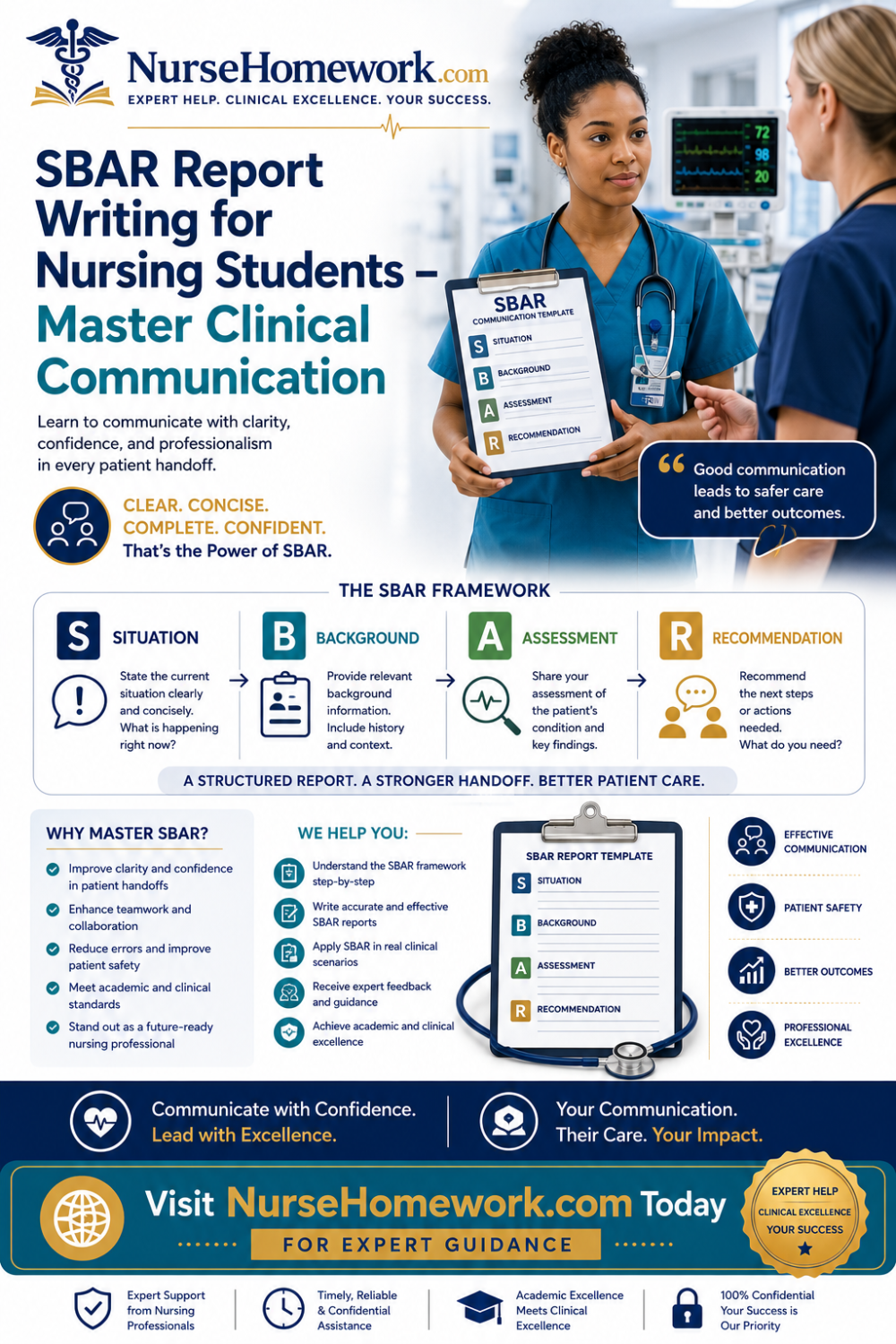
Clear and structured communication using the SBAR (Situation, Background, Assessment, Recommendation) technique ensures continuity of care and reduces errors.

9. Evidence-Based Wound Care
Updated wound care techniques, including negative pressure therapy and the use of antimicrobial dressings, accelerate healing and prevent infections.

10. Mental Health Integration in Nursing Care
Recognizing and addressing mental health in all patient interactions helps improve overall well-being, reduce stigma, and support holistic treatment approaches.

Evidence-Based Nursing Practices

Evidence-Based Nursing Practices

Contact nursehomework.com for nursing assignment help.

Needs help with Nursing Assignment?

We are available 24x7 to deliver the best services and assignment ready within 3-4 hours? Order a custom-written, plagiarism-free paper

Get Answer Over WhatsApp Order Paper Now
Nursing Pharmacology

Nursing Pharmacology: Top 10 Tips to Memorize Drug Classes Easily 2025

Pharmacology is one of the most challenging subjects in nursing school. Memorizing drug classes, their mechanisms of action, side effects, and interactions can be overwhelming. However, understanding pharmacology is essential for safe and effective patient care.

If you find yourself struggling with drug classifications, you’re not alone. The good news is that there are proven strategies to help you retain this critical information. In this comprehensive guide, we share 10 powerful tips to memorize drug classes easily, making your nursing pharmacology studies more manageable.

Nursing Pharmacology

Nursing Pharmacology

1. Use Mnemonics to Remember Drug Classes

Mnemonics are memory aids that help you recall information through patterns or associations. Here are a few examples:

  • Beta-blockers (ending in -olol): “BABY LOLs at the Beta Blockers”
  • ACE inhibitors (ending in -pril): “April (pril) showers lower BP”
  • Calcium channel blockers (-dipine): “Dipping (dipine) your feet in calcium-rich water”

Mnemonics create mental shortcuts, making it easier to remember drug classifications and their functions.

2. Group Drugs by Suffixes and Prefixes

Most drug classes share common suffixes or prefixes. Learning these patterns can help you quickly identify a drug’s class and function:

  • -statin (e.g., atorvastatin, simvastatin) → Cholesterol-lowering drugs
  • -pril (e.g., lisinopril, enalapril) → ACE inhibitors for hypertension
  • -sartan (e.g., losartan, valsartan) → ARBs (Angiotensin II Receptor Blockers)

By focusing on these patterns, you can reduce the amount of memorization needed.

3. Create Flashcards for Quick Review

Flashcards are an effective study tool for memorization. You can create physical flashcards or use apps like Anki, Quizlet, or Brainscape to study on the go. Each flashcard should include:

  • Drug name
  • Drug class
  • Mechanism of action
  • Common side effects
  • Nursing considerations

Reviewing these cards daily helps reinforce your memory.

4. Use Visual Aids and Charts

Charts, diagrams, and color-coded tables help organize information visually. Consider:

  • Creating a table of drug classifications with columns for names, uses, and adverse effects.
  • Using color-coding (e.g., red for high-risk drugs, green for commonly used drugs).
  • Drawing mind maps linking drug classes to their effects on the body.

Visual learning aids enhance memory retention and make studying more interactive.

5. Associate Drugs with Real-Life Scenarios

Connecting drug functions to real-life clinical situations makes them more memorable. For example:

  • Furosemide (Lasix) and heart failure patients: Think of a “loop” in the kidney removing excess fluid, just like a water drainage system.
  • Insulin and diabetes management: Relate it to a “key” unlocking cells to allow glucose in.
  • Beta-blockers and stress reduction: Imagine them as a “shield” blocking excessive adrenaline.

When you associate drugs with practical experiences, recalling them during exams or clinical practice becomes easier.

6. Practice with NCLEX-Style Questions

NCLEX-style questions test your knowledge of pharmacology in a clinical context. By practicing these questions, you learn:

  • How drugs are used in patient care
  • Side effects and contraindications
  • Drug interactions and nursing interventions

Resources like UWorld, Kaplan, and NCLEX-RN Mastery provide excellent pharmacology practice questions.

Nursing Pharmacology

Nursing Pharmacology

7. Break Down Study Sessions into Smaller Chunks

Cramming leads to quick forgetting. Instead, use the spaced repetition technique, where you:

  • Study for 25-30 minutes, then take a 5-minute break.
  • Review the same material the next day, then after a week.
  • Keep revisiting drug classes periodically to reinforce long-term memory.

Breaking study sessions into short, focused periods makes it easier to retain complex information.

8. Relate Drug Classes to the Body System They Affect

Instead of memorizing drugs randomly, categorize them based on their target system:

  • Cardiovascular System: Beta-blockers, ACE inhibitors, diuretics
  • Nervous System: Benzodiazepines, SSRIs, opioids
  • Endocrine System: Insulin, thyroid hormones, corticosteroids

This method helps you understand why a drug is used and improves recall.

9. Teach Someone Else or Use Study Groups

Explaining drug classes to a fellow nursing student reinforces your knowledge. Teaching forces you to:

  • Simplify concepts for better understanding.
  • Recall key points more effectively.
  • Engage in discussions that clarify doubts.

Joining a nursing study group allows you to share knowledge, quiz each other, and reinforce learning in a collaborative environment.

10. Use Real-World Clinical Experience

When working in clinical rotations, actively engage with medications:

By seeing medications in real-world settings, you’ll remember their uses and effects more effectively.

Final Thoughts

Mastering pharmacology is essential for becoming a competent nurse. Using mnemonics, visual aids, and hands-on learning techniques can make memorizing drug classes less intimidating. By applying these 10 tips, you’ll develop a strong grasp of nursing pharmacology, leading to better patient care and success in your exams.

If you need extra help with pharmacology assignments, NurseHomework.com is here for you! Our expert nursing tutors provide detailed explanations, assignment assistance, and study resources to help you excel in nursing school. Visit NurseHomework.com today and make your nursing studies stress-free!

Needs help with Nursing Assignment?

We are available 24x7 to deliver the best services and assignment ready within 3-4 hours? Order a custom-written, plagiarism-free paper

Get Answer Over WhatsApp Order Paper Now
Levels of Nursing

Understanding the Different Levels of Nursing: From Entry-Level to Advanced Practice

Nursing is a dynamic and diverse profession that offers multiple career paths and opportunities for growth. The different levels of nursing determine the scope of practice, responsibilities, education, and experience required for each role. Whether you are aspiring to enter the nursing field or seeking to advance your career, understanding the various levels of nursing is essential.

This article explores the different levels of nursing, from entry-level positions to advanced practice roles, and provides insights into educational requirements, responsibilities, and career prospects for each level.

1. Certified Nursing Assistant (CNA)

Overview

A Certified Nursing Assistant (CNA) is the most entry-level position in the nursing field. CNAs work under the supervision of registered nurses (RNs) and licensed practical nurses (LPNs) to provide basic patient care.

Educational Requirements

  • Completion of a state-approved CNA training program (typically 4-12 weeks)
  • Passing a competency exam to receive certification

Responsibilities

  • Assisting patients with activities of daily living (ADLs), such as bathing, dressing, and eating
  • Taking vital signs (blood pressure, pulse, temperature)
  • Turning and repositioning patients to prevent bedsores
  • Assisting nurses with medical procedures
  • Providing emotional support and companionship to patients

Career Prospects

CNAs often work in nursing homes, hospitals, rehabilitation centers, and home healthcare settings. While the salary is relatively low, many CNAs use this role as a stepping stone to advance their nursing careers.

 Levels of Nursing

Levels of Nursing

2. Licensed Practical Nurse (LPN) / Licensed Vocational Nurse (LVN)

Overview

A Licensed Practical Nurse (LPN), also known as a Licensed Vocational Nurse (LVN) in some states, provides basic nursing care under the supervision of RNs and doctors.

Educational Requirements

  • Completion of a 1-year LPN/LVN program from a vocational school or community college
  • Passing the National Council Licensure Examination for Practical Nurses (NCLEX-PN)

Responsibilities

  • Monitoring patient health and recording vital signs
  • Administering medications and injections
  • Assisting with wound care and dressing changes
  • Collecting samples for lab tests
  • Educating patients and families about basic health care
  • Supervising CNAs and other unlicensed staff

Career Prospects

LPNs/LVNs work in hospitals, long-term care facilities, outpatient clinics, and home health agencies. Some LPNs choose to pursue further education to become RNs.

3. Registered Nurse (RN)

Overview

A Registered Nurse (RN) is a highly skilled professional responsible for comprehensive patient care, coordinating treatment plans, and supervising LPNs and CNAs.

Educational Requirements

There are three main pathways to becoming an RN:

  1. Associate Degree in Nursing (ADN) – Typically a 2-year program
  2. Bachelor of Science in Nursing (BSN) – A 4-year degree that provides a more in-depth education
  3. Diploma Programs – Hospital-based training programs (less common today)

All RNs must pass the National Council Licensure Examination for Registered Nurses (NCLEX-RN) to become licensed.

Responsibilities

  • Conducting patient assessments and developing care plans
  • Administering medications, intravenous (IV) therapy, and treatments
  • Assisting in surgeries and medical procedures
  • Educating patients and families on disease management and prevention
  • Supervising and mentoring LPNs and CNAs
  • Collaborating with doctors and healthcare teams to provide optimal care

Career Prospects

RNs have a wide range of job opportunities in hospitals, clinics, community health centers, schools, and research institutions. Many RNs pursue further education to become nurse practitioners (NPs), nurse educators, or nurse managers.

 Levels of Nursing

Levels of Nursing

4. Bachelor of Science in Nursing (BSN) and RN-BSN Programs

Overview

A Bachelor of Science in Nursing (BSN) provides advanced training in leadership, research, and specialized areas of nursing.

Educational Requirements

  • A traditional BSN program takes 4 years to complete.
  • RN-to-BSN programs allow current RNs to obtain a BSN in 1-2 years.

Benefits of a BSN

  • Increased job opportunities and higher salaries
  • Better preparation for leadership and management roles
  • Eligibility for specialized nursing roles
  • Improved patient care outcomes (research shows BSN-prepared nurses lead to better healthcare results)

Career Prospects

Many healthcare institutions prefer BSN-prepared nurses for leadership roles, research positions, and specialized fields such as critical care, public health, and informatics.

5. Master of Science in Nursing (MSN)

Overview

A Master of Science in Nursing (MSN) is an advanced degree that allows nurses to specialize in areas such as advanced practice, education, or administration.

Educational Requirements

  • Completion of a BSN degree
  • 2-3 years of graduate-level study

Specializations

  • Nurse Practitioner (NP)Provides primary and specialized healthcare
  • Clinical Nurse Specialist (CNS) – Focuses on improving patient outcomes in a specific field
  • Nurse Educator – Trains future nurses in academic settings
  • Nurse Administrator – Manages nursing staff and healthcare facilities

Career Prospects

MSN-prepared nurses work in hospitals, universities, research institutions, and leadership roles. This degree also serves as a stepping stone to doctoral programs.

 Levels of Nursing

Levels of Nursing

6. Advanced Practice Registered Nurse (APRN)

Overview

An Advanced Practice Registered Nurse (APRN) holds a master’s or doctoral degree and has specialized training in a specific area of healthcare.

Types of APRNs

  1. Nurse Practitioner (NP) – Provides primary and specialty care, can prescribe medications
  2. Certified Nurse Midwife (CNM) – Specializes in pregnancy, childbirth, and reproductive health
  3. Certified Registered Nurse Anesthetist (CRNA)Administers anesthesia and pain management
  4. Clinical Nurse Specialist (CNS) – Improves healthcare delivery and patient outcomes in specific populations

Career Prospects

APRNs have high earning potential and work in private practices, hospitals, specialty clinics, and independent healthcare settings.

7. Doctor of Nursing Practice (DNP) and PhD in Nursing

Overview

The highest levels of nursing education include Doctor of Nursing Practice (DNP) and PhD in Nursing.

Differences Between DNP and PhD

  • DNP – Focuses on clinical practice, leadership, and healthcare system improvements
  • PhD in Nursing – Focuses on research, academic teaching, and healthcare policy

Career Prospects

  • DNP graduates often work as healthcare executives, policy advisors, and advanced clinical practitioners.
  • PhD graduates contribute to nursing research, education, and policy development.
 Levels of Nursing

Levels of Nursing

Conclusion

As the healthcare industry evolves, demand for highly educated and specialized nurses continues to grow, making nursing one of the most rewarding and impactful career choices available today.


Needs help with Nursing Assignment?

We are available 24x7 to deliver the best services and assignment ready within 3-4 hours? Order a custom-written, plagiarism-free paper

Get Answer Over WhatsApp Order Paper Now