Nursing Kit Set | Complete Nursing Supplies for Professionals

Nursing Kit Set | Complete Nursing Supplies for Professionals

nursing kit set

Nursing Kit Set: The Ultimate Guide to Choosing the Best Nursing Essentials

If you’re a nurse, caregiver, or healthcare professional, a nursing kit set is an essential tool for your daily duties. Whether you work in a hospital, clinic, home care, or in the field, a well-organized nursing kit ensures you have everything you need to provide efficient and safe patient care.

In this guide, we’ll cover:

  • What a nursing kit set includes

  • How to choose the right nursing kit

  • Benefits of using a nursing kit set

  • Top features to look for

  • FAQs about nursing kit sets


What Is a Nursing Kit Set?

A nursing kit set is a complete collection of medical tools and supplies designed for nurses and healthcare professionals. These kits are usually packed in a compact, portable bag and include essential items such as:

  • Stethoscope

  • Thermometer

  • Blood pressure cuff

  • Gloves

  • Bandages and dressings

  • Scissors

  • Penlight

  • Antiseptic wipes

The goal is to provide nurses with a ready-to-use, organized set that can be used in various medical settings.


Why Every Nurse Needs a Nursing Kit Set

A nursing kit set is more than just a collection of tools. It helps nurses:

1. Stay Organized

Nursing kits keep supplies in one place, making it easier to find what you need quickly.

2. Save Time

With a pre-packed kit, nurses can respond faster to emergencies and routine procedures.

3. Improve Patient Care

Having the right tools readily available improves accuracy and patient comfort.

4. Ensure Hygiene and Safety

Most nursing kits include sterile supplies and protective gear, which helps reduce infection risks.


What Should a Nursing Kit Set Include?

A good nursing kit set should contain basic medical essentials. Here’s a list of items commonly found in nursing kits:

Basic Nursing Kit Items

  • Stethoscope

  • Blood pressure cuff

  • Thermometer

  • Pulse oximeter

  • Gloves (latex or nitrile)

  • Alcohol swabs

  • Bandages and gauze

  • Scissors

  • Tweezers

  • Penlight

  • Disposable masks

  • Syringe and needles (if required)

  • Medical tape

  • Hand sanitizer

Depending on the type of nursing kit set, you may also find:

Advanced Nursing Kit Add-ons

  • Suture kit

  • IV administration supplies

  • First aid items

  • Wound dressing materials

  • Portable oxygen mask


How to Choose the Best Nursing Kit Set

When choosing a nursing kit set, consider these factors:

1. Purpose and Use

Are you using it for clinical practice, home care, or field nursing?
Different environments require different supplies.

2. Quality of Materials

Choose a kit made from durable materials and high-quality medical tools.

3. Portability

Look for lightweight, compact, and easy-to-carry designs.

4. Organization

A good nursing kit should have compartments and pockets for easy access.

5. Sterility and Safety

Ensure the kit includes sterile items, and the bag is easy to clean.


Benefits of Using a Nursing Kit Set

Here are the top advantages of owning a nursing kit set:

Efficient Care Delivery

A nursing kit set reduces the time spent searching for tools and supplies.

Ready for Emergencies

A complete kit helps you handle sudden emergencies with confidence.

Cost-Effective

Buying a nursing kit set is often cheaper than purchasing each item individually.

Perfect for Students

Nursing students can use a kit set for practice sessions and clinical rotations.


Nursing Kit Set for Different Users

For Nurses

Nursing kits are ideal for nurses who need to move between wards and patients.

For Caregivers

Caregivers can use nursing kits to provide home care support safely and effectively.

For Students

Nursing students can practice procedures with confidence using a complete kit.


Frequently Asked Questions (FAQs)

What is included in a nursing kit set?

A nursing kit set usually includes basic medical tools like a stethoscope, thermometer, gloves, bandages, and more.

Is a nursing kit set necessary?

Yes, it helps nurses stay organized, save time, and provide better patient care.

How often should nursing kits be replenished?

It depends on usage, but typically monthly or whenever supplies run low.

Are nursing kit sets portable?

Yes, most kits are designed to be compact and easy to carry.


Final Thoughts

A nursing kit set is an essential investment for healthcare professionals and caregivers. It helps improve patient care, enhances efficiency, and ensures that you’re always prepared for any medical situation.

Whether you’re a nurse, student, or caregiver, choosing the right nursing kit set can make a big difference in your daily routine.

Nursing Kit Set: What to Look for in a High-Quality Kit

When searching for the best nursing kit set, you should evaluate several key features that make the kit reliable, durable, and suitable for everyday nursing work.


Key Features of a High-Quality Nursing Kit Set

1. Durable Bag or Case

A sturdy bag helps protect tools and keeps everything organized. Look for:

  • Water-resistant material

  • Strong zippers

  • Reinforced stitching

  • Multiple compartments

2. High-Quality Medical Tools

The tools in your nursing kit should be reliable and long-lasting. Key items like the stethoscope, blood pressure cuff, and thermometer should be from trusted brands.

3. Easy to Clean

Nursing kits should be easy to sanitize. Choose kits with removable compartments or washable bags.

4. Proper Storage and Organization

Good nursing kits include:

  • Elastic loops for instruments

  • Pockets for supplies

  • Clear compartments for quick visibility

5. Portable and Lightweight

A nursing kit set should be easy to carry around, especially for nurses who move between patients or facilities.


Nursing Kit Set vs. First Aid Kit: What’s the Difference?

A nursing kit set is designed for medical professionals and includes advanced tools like:

  • Stethoscope

  • Blood pressure cuff

  • Penlight

  • Medical gloves

A first aid kit is more basic and focuses on emergency supplies like:

  • Bandages

  • Antiseptic wipes

  • Pain relief medication

  • Splints

So, while both are important, a nursing kit set is more comprehensive and professional.


Best Uses for a Nursing Kit Set

In Hospitals and Clinics

Nurses working in hospitals benefit from having a nursing kit set for:

  • Patient rounds

  • Emergency response

  • Vital sign monitoring

  • Routine procedures

For Home Care Nurses

Home care nurses use nursing kits for:

  • Wound dressing

  • Medication administration

  • Patient monitoring

  • Emergency care

For Nursing Students

Nursing students can use a nursing kit set during:

  • Clinical rotations

  • Practicals

  • Simulation labs


How to Maintain Your Nursing Kit Set

To ensure your nursing kit stays clean and ready to use:

1. Clean the Bag Regularly

Wipe the bag with disinfectant wipes or wash if it’s washable.

2. Check Expiry Dates

Replace expired items such as:

  • Gloves

  • Antiseptic wipes

  • Medication

  • Syringes

3. Refill Supplies Immediately

After every use, refill your kit to avoid running out of essential supplies.

4. Store in a Safe Place

Keep your kit in a cool, dry area away from direct sunlight.


Nursing Kit Set Price: What to Expect

Prices for nursing kit sets vary depending on the quality and contents. Here is a general price guide:

  • Basic Nursing Kit Set: Affordable and suitable for students

  • Standard Nursing Kit Set: Best for daily use in clinics and hospitals

  • Professional Nursing Kit Set: Includes advanced tools and high-quality materials


Nursing Kit Set for Gifts: A Great Present for Healthcare Workers

If you want to show appreciation to a nurse or caregiver, a nursing kit set makes an excellent gift. It’s practical, thoughtful, and shows support for their important work.

Needs help with Nursing Assignment?

We are available 24x7 to deliver the best services and assignment ready within 3-4 hours? Order a custom-written, plagiarism-free paper

Get Answer Over WhatsApp Order Paper Now

Premium Surgical Nursing Kit – Essential Tools for Nurses

Premium Surgical Nursing Kit – Essential Tools for Nurses

surgical nursing kit

Surgical Nursing Kit: The Ultimate Guide for Nurses

In the demanding field of healthcare, nurses play a pivotal role in surgical procedures. Having a surgical nursing kit ensures that every nurse is prepared for pre-operative, intra-operative, and post-operative tasks. This comprehensive guide covers everything from key components, benefits, usage, maintenance, and selection tips to make your workflow smooth, efficient, and safe.


What is a Surgical Nursing Kit?

A surgical nursing kit is a portable, organized collection of medical instruments, tools, and accessories specifically designed for nurses who assist in surgeries. These kits are essential for performing minor procedures, assisting surgeons, or providing post-operative care.

Unlike standard nursing kits, a surgical nursing kit focuses on sterile instruments, surgical-grade tools, and materials designed for precision and safety.


Why Every Nurse Should Have a Surgical Nursing Kit

Nurses are the backbone of surgical care. Whether in an operating room, emergency unit, or home care setting, a surgical nursing kit provides:

  1. Efficiency – All essential tools are organized in one place, reducing time spent searching for instruments.

  2. Safety – Sterile tools reduce infection risks for both patients and healthcare staff.

  3. Preparedness – From suturing to dressing wounds, a comprehensive kit ensures nurses are ready for any situation.

  4. Professional Confidence – Working with the right tools enhances a nurse’s ability to provide precise care.

A well-equipped surgical nursing kit is indispensable for modern nursing practice.


Key Components of a Surgical Nursing Kit

A standard surgical kit  includes a variety of instruments designed for surgical procedures. Here’s a detailed look:

1. Sterile Gloves

Gloves are crucial for preventing contamination and maintaining a sterile environment. Kits usually include multiple sizes to accommodate different hand dimensions.

2. Surgical Scissors

Specialized scissors allow nurses to cut sutures, bandages, and tissues safely. Stainless steel scissors provide durability and easy sterilization.

3. Forceps

Forceps are used for holding tissues, dressing wounds, or manipulating small instruments. They come in different types: toothed, non-toothed, or dressing forceps.

4. Needle Holders

Essential for suturing wounds, needle holders allow precise and safe needle manipulation.

5. Syringes & Needles

A variety of syringe sizes ensures accurate administration of medications or anesthesia. Needles should be disposable or sterilizable.

6. Gauze & Dressings

Gauze pads, bandages, and dressings are critical for wound cleaning, absorption, and bleeding control.

7. Tweezers & Clamps

Tweezers assist with delicate handling, while clamps help control bleeding or secure tissues during procedures.

8. Sterilization Pouches & Organizers

Kits include pouches to maintain tool sterility and keep instruments neatly arranged.

9. Portable Carry Case

Durable, lightweight cases make the kit easy to transport between wards, operating rooms, or patient homes.


Benefits of a Surgical Nursing Kit

1. Time Efficiency

Having all instruments in one organized kit allows nurses to respond quickly, especially during emergencies.

2. Cost-Effective Solution

Instead of buying tools separately, a surgical nursing kit provides a complete, reusable, or partially disposable set.

3. Enhanced Hygiene and Safety

Sterile instruments reduce the risk of infections and cross-contamination.

4. Professional Performance

Nurses with well-equipped kits can deliver care confidently and efficiently.

5. Portability

Compact kits allow nurses to carry essential tools anywhere, from hospitals to home care visits.


How to Choose the Right Surgical Nursing Kit

Selecting the right surgical nursing kit is crucial for both efficiency and safety. Consider the following factors:

1. Quality of Instruments

  • Stainless steel tools are durable, easy to sterilize, and resistant to rust.

  • Ensure scissors, forceps, and needle holders are sharp, precise, and well-balanced.

2. Kit Size & Portability

  • For hospital use, a medium or large kit may be preferable.

  • For home care or emergency response, compact, portable kits are ideal.

3. Completeness

  • The kit should include all essential instruments for surgical tasks, wound care, and minor procedures.

4. Sterility and Safety Compliance

  • Ensure instruments meet local health regulations.

  • Disposable tools should meet medical-grade standards.

5. Durability of Case

  • A high-quality case protects instruments from damage and contamination.


Maintenance and Care of Surgical Nursing Kits

Proper maintenance ensures your kit remains safe, effective, and long-lasting.

1. Regular Cleaning

  • Clean instruments immediately after use to prevent residue buildup.

  • Use medical-grade disinfectants to maintain sterility.

2. Sterilization

  • Autoclave reusable instruments as per manufacturer guidelines.

  • Disposable items should never be reused.

3. Organization

  • Keep instruments in designated slots to prevent damage and maintain hygiene.

  • Replace worn-out tools immediately.

4. Storage

  • Store kits in cool, dry areas to prevent rust and contamination.

  • Keep kits away from direct sunlight or moisture.


Applications of a Surgical Nursing Kit

Surgical nursing kits are versatile and useful in many healthcare settings:

  • Operating Rooms – Assisting surgeons and handling instruments efficiently.

  • Emergency Units – Quick access to surgical tools in trauma or accident cases.

  • Home Healthcare – Providing post-operative care and wound management.

  • Medical Education – Nursing students and surgical trainees use kits for practice and skill development.


Top Surgical Nursing Kit Brands

Several brands are known for quality and reliability. Some top choices include:

  • Medline Surgical Kits – Known for comprehensive, hospital-grade tools.

  • SurgiNurse – Offers portable, lightweight kits for home visits.

  • 3M Healthcare Kits – Focus on safety, sterilization, and ergonomics.

  • Customizable Kits – Available from medical supply stores, allowing nurses to select tools according to personal preference.


Tips for Using a Surgical Nursing Kit Efficiently

  1. Familiarize Yourself with Each Instrument – Knowing how to use each tool reduces errors during procedures.

  2. Practice Sterile Techniques – Always use gloves, sterilize tools, and maintain a clean environment.

  3. Check Kit Before Use – Verify all instruments are present and sterile before starting any procedure.

  4. Organize After Use – Properly clean, sterilize, and store tools to maintain kit longevity.


Frequently Asked Questions (FAQs)

Q1: Can a surgical nursing kit be used for minor surgeries at home?
A1: Yes, but only under professional supervision or for post-operative care. Kits are designed for safety and hygiene.

Q2: How often should instruments in a surgical nursing kit be sterilized?
A2: Reusable instruments should be sterilized after every use. Disposable tools should never be reused.

Q3: Are all surgical nursing kits portable?
A3: Most kits are designed for portability, but sizes vary. Choose a kit that matches your workflow needs.

Q4: Can nursing students use surgical kits for practice?
A4: Yes, they are ideal for training, skill development, and familiarization with surgical tools.

Q5: How long does a surgical nursing kit last?
A5: With proper care, sterilization, and maintenance, high-quality kits can last several years.


Conclusion

A surgical nursing kit is more than just a collection of tools—it’s a nurse’s essential companion for delivering precise, safe, and efficient surgical care. From operating rooms to home care, having a comprehensive, high-quality kit enhances professional performance, ensures patient safety, and saves time.

Invest in a reliable surgical nursing kit today, and elevate your nursing practice to the highest standard of care.

Needs help with Nursing Assignment?

We are available 24x7 to deliver the best services and assignment ready within 3-4 hours? Order a custom-written, plagiarism-free paper

Get Answer Over WhatsApp Order Paper Now

Nursing Practical Kit – Essential Tools for Nursing Students & Professionals

Nursing Practical Kit – Essential Tools for Nursing Students & Professionals

nursing practical kit

Nursing Practical Kit: The Complete Guide for Students and Professionals

A nursing practical kit is an indispensable companion for every nursing student and healthcare professional. It provides the essential tools needed for clinical practice, laboratory exercises, and real-world patient care. In this comprehensive guide, we’ll explore everything you need to know about nursing practical kits, including their components, benefits, how to choose the best one, and tips for using it effectively.


What is a Nursing Practical Kit?

A nursing practical kit is a collection of medical instruments and supplies designed to help nursing students and professionals perform essential clinical tasks. These kits are often compact, portable, and organized to make it easy for users to carry and access their tools. Whether for practice at home, in a nursing lab, or during clinical rotations, these kits help students develop hands-on skills in a safe and controlled environment.

Importance of a Nursing Practical Kit

  • Hands-on Learning: Helps students practice clinical procedures before performing them on real patients.

  • Skill Mastery: Reinforces theoretical knowledge through practical application.

  • Preparedness: Ensures students are ready for lab sessions, exams, and hospital rotations.

  • Confidence Building: Familiarity with tools reduces anxiety during practical assessments.


Essential Components of a Nursing Practical Kit

A well-equipped nursing practical kit should include instruments and supplies that cover a wide range of nursing procedures. Here’s a detailed breakdown:

1. Stethoscope

The stethoscope is one of the most critical tools in any nursing kit. It allows nurses to:

  • Monitor heart and lung sounds

  • Check blood pressure in combination with a sphygmomanometer

  • Assess bowel sounds and other vital functions

2. Sphygmomanometer (Blood Pressure Monitor)

A reliable sphygmomanometer is essential for accurate blood pressure readings. Digital versions are beginner-friendly, while manual devices are preferred in clinical settings for precision.

3. Thermometer

Temperature measurement is a fundamental nursing task. Kits typically include:

  • Digital thermometers: Fast and accurate

  • Mercury thermometers: Traditional, reliable, and durable

4. Bandages, Gauze, and Dressing Materials

These are essential for wound care practice. Nursing students learn how to:

  • Apply dressings properly

  • Control bleeding

  • Maintain hygiene and prevent infections

5. Scissors, Forceps, and Tweezers

Precision tools are needed for:

  • Cutting bandages

  • Handling small instruments

  • Assisting in minor clinical procedures

6. Penlight

Used for pupil response assessment and throat or oral cavity examination.

7. Gloves and Protective Gear

Hygiene and safety are critical in nursing. Gloves, masks, and sometimes aprons are included to prevent contamination.

8. Practice Injection Tools

Some kits include syringes, demo needles, or injection pads for practicing:

  • Intradermal injections

  • Intramuscular injections

  • Subcutaneous injections

9. Reflex Hammer

Used to check reflexes and neurological responses in patients.

10. Pulse Oximeter

Measures oxygen saturation and pulse rate, which is vital for patient assessment.


Benefits of Using a Nursing Practical Kit

Using a nursing practical kit provides numerous advantages for students and professionals alike:

1. Practical Learning

Students can perform clinical procedures safely in a controlled environment, which strengthens their confidence and understanding of theoretical concepts.

2. Portability

These kits are designed for convenience. Students can carry them to clinical rotations, labs, or home study sessions.

3. Skill Development

Regular use allows learners to master procedures like injections, vitals assessment, wound care, and basic patient monitoring.

4. Readiness for Clinical Exams

Having a practical kit ensures that students are well-prepared for exams, practical assessments, and hands-on evaluations.

5. Cost-Effective

Instead of borrowing or purchasing individual instruments repeatedly, a complete kit provides all necessary tools in one package.


Who Should Use a Nursing Practical Kit?

A nursing practical kit is not just for students. The following groups can benefit from using one:

  • Nursing Students: Ideal for labs, clinical rotations, and skill-building exercises.

  • Registered Nurses: Portable kits allow professionals to carry essential tools for home visits or patient assessments.

  • Caregivers and Home Health Providers: Enables caregivers to perform basic health monitoring and minor care procedures safely.

  • Medical Trainees: Helpful for students in allied health programs like paramedics, midwifery, and medical assisting.


How to Choose the Right Nursing Practical Kit

When selecting a nursing practical kit, it’s important to consider several factors to ensure you get value and quality.

1. Quality of Instruments

Choose durable, reliable, and precise tools. Stainless steel instruments and high-quality plastics are preferred for long-lasting use.

2. Completeness of the Kit

A good kit should include all essential tools for practice. Check the list of items before purchase to avoid missing crucial components.

3. Portability and Storage

Look for kits with organized compartments or cases. Lightweight, compact designs make it easier to carry everything securely.

4. Hygiene and Maintenance

Ensure instruments can be cleaned and sterilized easily. Reusable items like scissors and forceps should be resistant to rust and corrosion.

5. Budget-Friendly Options

While it’s tempting to go for the cheapest option, prioritize quality over cost. A slightly higher investment can ensure a longer-lasting and safer kit.


Top Tips for Using Your Nursing Practical Kit

To make the most of your nursing practical kit:

  1. Practice Regularly: Frequent hands-on practice improves confidence and skill retention.

  2. Organize Your Kit: Keep items clean, sorted, and ready for use.

  3. Follow Safety Guidelines: Always wear gloves and follow hygiene protocols.

  4. Learn Proper Techniques: Use the kit in conjunction with textbooks or guidance from instructors.

  5. Check Expiry Dates: Some items, like gloves or syringes, may have expiration dates. Replace as needed.


Popular Types of Nursing Practical Kits

Nursing practical kits come in different styles depending on your needs:

1. Student Nursing Kits

Designed for beginners, these kits focus on essential tools needed for labs and classroom practice. They are usually affordable and compact.

2. Professional Nursing Kits

These kits are more comprehensive, including advanced instruments such as pulse oximeters, reflex hammers, and high-quality stethoscopes.

3. Portable Travel Kits

Ideal for nurses who provide home care or work in multiple clinics. Lightweight cases and organized compartments make transport easy.

4. Specialized Kits

Some kits are tailored for specific fields like pediatric nursing, midwifery, or critical care, including tools necessary for those specializations.


How Nursing Practical Kits Enhance Learning

A nursing practical kit bridges the gap between theory and practice:

  • Simulation Practice: Students can simulate patient care scenarios to improve decision-making skills.

  • Error Reduction: Practicing on a kit reduces mistakes during real-life patient care.

  • Time Efficiency: With all tools in one place, students spend less time searching for equipment and more time learning.


FAQs About Nursing Practical Kits

Q1. Can I use a nursing practical kit at home?
Yes, these kits are portable and designed for safe practice at home. They help students refine skills without being in a clinical setting.

Q2. How much does a nursing practical kit cost?
Prices vary depending on quality and the number of items. Basic student kits start around $30–$50, while professional kits can cost $100 or more.

Q3. Are digital instruments necessary?
Digital tools like thermometers and sphygmomanometers are convenient for beginners. Professionals may prefer manual devices for accuracy.

Q4. How do I maintain my nursing practical kit?
Keep instruments clean, sterilize reusable items, and store the kit in a dry, secure place. Regular maintenance ensures longevity.

Q5. Can a nursing practical kit be used for exams?
Yes, most kits include the tools required for practical exams, including stethoscopes, bandages, and injection practice items.


Conclusion

A nursing practical kit is an essential investment for nursing students and professionals. It provides the tools needed to practice clinical skills, build confidence, and excel in exams and real-world patient care. By choosing a high-quality kit that fits your needs and using it regularly, you can enhance your learning experience and prepare for a successful nursing career.

Whether you are a beginner student or a seasoned professional, the right nursing practical kit ensures that you are ready to face any clinical challenge with competence and confidence.

Needs help with Nursing Assignment?

We are available 24x7 to deliver the best services and assignment ready within 3-4 hours? Order a custom-written, plagiarism-free paper

Get Answer Over WhatsApp Order Paper Now

Professional Nursing Kit | Essential Medical Tools for Nurses

Professional Nursing Kit | Essential Medical Tools for Nurses

professional nursing kit

Professional Nursing Kit: Essential Tools for Modern Healthcare Professionals

A professional nursing kit is an indispensable set of medical tools designed to support nurses in delivering safe, efficient, and high-quality patient care. Whether used in hospitals, clinics, home healthcare, emergency response, or community outreach, a professional nursing kit ensures nurses are always prepared for clinical assessments, routine procedures, and urgent medical situations.

What Is a Professional Nursing Kit?

A professional nursing kit is a comprehensive collection of medical instruments and supplies tailored specifically for trained nursing professionals. Unlike basic first-aid kits, professional nursing kits contain clinical-grade equipment that meets healthcare standards and supports daily nursing responsibilities.

These kits are widely used by:

  • Registered nurses (RNs)

  • Licensed practical nurses (LPNs)

  • Community health nurses

  • Home-care and visiting nurses

  • Nursing students in clinical training

Key Components of a Professional Nursing Kit

A high-quality professional nursing kit typically includes:

Diagnostic Tools

  • Stethoscope

  • Digital or aneroid blood pressure monitor

  • Thermometer (digital or infrared)

  • Pulse oximeter

  • Penlight or diagnostic torch

Clinical & Procedure Supplies

  • Disposable gloves (latex or nitrile)

  • Alcohol swabs and antiseptic wipes

  • Sterile gauze and cotton rolls

  • Adhesive bandages and medical tape

  • Syringes and needles (where applicable)

  • Tourniquet

Nursing Instruments

  • Scissors (bandage or trauma scissors)

  • Forceps

  • Tweezers

  • Medicine cup

  • Kidney dish or tray

Personal Protection & Hygiene

  • Face masks

  • Hand sanitizer

  • Disposable aprons

  • Biohazard waste bags

Storage & Organization

  • Durable nursing bag or hard case

  • Labeled compartments for easy access

  • Portable and lightweight design

Benefits of Using a Professional Nursing Kit

Improved Patient Care

A professional nursing kit allows nurses to perform accurate assessments, administer treatments efficiently, and respond quickly to patient needs.

Time Efficiency

Having all essential tools in one organized kit reduces delays during patient care, especially in emergency or home-visit settings.

Professional Standards

Using a complete professional nursing kit ensures compliance with healthcare protocols and infection-control standards.

Portability for Field Work

For community health and home-care nurses, a professional nursing kit offers mobility without compromising quality of care.

Who Needs a Professional Nursing Kit?

A professional nursing kit is ideal for:

  • Hospital and clinic nurses

  • Home healthcare providers

  • Community outreach and rural healthcare workers

  • Emergency and disaster response teams

  • Nursing schools and training institutions

How to Choose the Best Professional Nursing Kit

When selecting a professional nursing kit, consider:

  • Quality and durability of medical instruments

  • Compliance with healthcare regulations

  • Ease of cleaning and infection control

  • Portability and storage capacity

  • Customizable or refillable components

Professional Nursing Kit for Home Healthcare

With the growth of home-based medical services, the professional nursing kit for home healthcare has become increasingly important. These kits are designed for mobility and efficiency, allowing nurses to deliver hospital-level care in patients’ homes.

Why Invest in a Professional Nursing Kit?

Investing in a professional nursing kit improves clinical performance, boosts confidence, and enhances patient trust. A well-equipped nurse is better prepared to deliver consistent, high-quality healthcare in any environment.

Final Thoughts

A professional nursing kit is more than a collection of tools—it is a critical companion for every nurse committed to excellence in patient care. From diagnostics to infection control, a complete professional nursing kit supports modern nursing practice across all healthcare settings.

Professional Nursing Kit for Clinical Settings

In busy hospital and clinic environments, a professional nursing kit supports fast-paced workflows and precision care. Nurses rely on their kits for routine vital checks, wound management, medication preparation, and infection prevention. Clinical-grade tools ensure accuracy, reliability, and compliance with institutional healthcare standards.

Hospitals often recommend standardized professional nursing kits to maintain uniformity, reduce errors, and promote patient safety across departments.

Professional Nursing Kit for Nursing Students

A professional nursing kit for students is a foundational requirement in nursing education. These kits help students gain hands-on experience with essential tools during clinical rotations, simulations, and practical exams.

Student-focused professional nursing kits typically include:

  • Basic diagnostic instruments

  • Safe, non-invasive practice tools

  • Easy-to-carry nursing bags

  • Instructional guides for proper tool usage

Early exposure to a professional nursing kit builds confidence, competence, and professional discipline.

Importance of Quality and Durability

The effectiveness of a professional nursing kit depends heavily on the quality of its components. High-grade materials ensure:

  • Accurate readings and measurements

  • Long-term durability

  • Resistance to frequent cleaning and sterilization

  • Reduced replacement costs over time

Investing in a durable professional nursing kit minimizes disruptions in care and supports long-term professional use.

Infection Control and Safety Compliance

A modern professional nursing kit is designed with infection prevention as a priority. Features that support safety include:

  • Single-use disposable supplies

  • Easy-to-clean instrument surfaces

  • Proper waste disposal compartments

  • PPE for personal and patient protection

These elements help nurses comply with global healthcare and infection-control guidelines while protecting both patients and practitioners.

Customizable Professional Nursing Kits

Many healthcare providers prefer customizable professional nursing kits that allow nurses to tailor contents based on specialization or work environment. Custom kits are especially useful for:

  • Pediatric nursing

  • Geriatric care

  • Emergency and trauma nursing

  • Community and outreach programs

Customization improves efficiency by eliminating unnecessary tools and prioritizing frequently used equipment.

Professional Nursing Kit for Community Health Programs

In community and rural healthcare programs, access to fully equipped medical facilities may be limited. A professional nursing kit for community health enables nurses to perform essential medical tasks in remote or underserved areas.

These kits support:

  • Health screenings and assessments

  • Maternal and child health services

  • Chronic disease monitoring

  • Preventive care and health education

Portable and well-organized professional nursing kits are vital for expanding healthcare access beyond traditional facilities.

Maintenance and Replenishment of a Professional Nursing Kit

Regular maintenance ensures that a professional nursing kit remains safe and effective. Best practices include:

  • Routine inspection of instruments

  • Replacing expired or used consumables

  • Proper sterilization after use

  • Organized restocking schedules

A well-maintained professional nursing kit reflects professionalism and readiness at all times.

Professional Nursing Kit as a Career Investment

A professional nursing kit is not just equipment—it is an investment in a nursing career. It enhances job performance, supports professional credibility, and demonstrates preparedness to employers and patients alike.

For freelance, home-care, or traveling nurses, owning a complete professional nursing kit is essential for independence and flexibility.

Growing Demand for Professional Nursing Kits

With the global expansion of healthcare services, home-based care, and telehealth support, demand for professional nursing kits continues to rise. Healthcare institutions, training centers, and individual nurses increasingly prioritize high-quality kits that align with modern care models.

Conclusion

A professional nursing kit plays a central role in delivering safe, efficient, and compassionate healthcare. From hospitals and clinics to home visits and community outreach, these kits empower nurses to perform their duties with confidence and professionalism.

Choosing the right professional nursing kit ensures preparedness, supports infection control, and enhances patient outcomes—making it an essential asset for every nursing professional.

Needs help with Nursing Assignment?

We are available 24x7 to deliver the best services and assignment ready within 3-4 hours? Order a custom-written, plagiarism-free paper

Get Answer Over WhatsApp Order Paper Now

Nurse Bandage Kit – Essential Supplies for Professional and Home Care

Nurse Bandage Kit – Essential Supplies for Professional and Home Care

nurse bandage kit

Nurse Bandage Kit: Your Essential Companion for Wound Care

A nurse bandage kit is an indispensable tool for healthcare professionals, caregivers, and anyone who wants to be prepared for emergencies. Whether you’re in a hospital, clinic, or managing care at home, having a well-stocked bandage kit ensures you can handle minor injuries, cuts, and wounds efficiently.

Why Every Nurse Needs a Bandage Kit

A nurse bandage kit is more than just a collection of bandages. It’s a comprehensive first aid solution that includes:

  • Sterile gauze pads for covering wounds

  • Elastic bandages for support and compression

  • Adhesive strips for small cuts and abrasions

  • Medical scissors and tweezers for precise application

  • Antiseptic wipes to prevent infections

These essentials allow nurses and caregivers to provide immediate care, reduce the risk of infection, and promote faster healing.

Key Features of a High-Quality Nurse Bandage Kit

When selecting a nurse bandage kit, consider the following features:

  1. Portability: Lightweight and compact kits are easy to carry during home visits or hospital rounds.

  2. Durability: Kits with organized compartments and durable cases prevent supplies from being damaged.

  3. Comprehensive Contents: Kits should include multiple types of bandages, gauze, antiseptic wipes, and tools for versatility.

  4. Ease of Use: Clearly labeled and organized supplies make wound care faster and more efficient.

Benefits of Using a Nurse Bandage Kit

  • Quick Response: Handle cuts, scrapes, and burns immediately.

  • Infection Control: Sterile supplies reduce the risk of complications.

  • Professional Care: Provides nurses and caregivers with all necessary tools to deliver efficient care.

  • Convenience: Perfect for hospitals, clinics, home healthcare, and emergency situations.

How to Maintain Your Nurse Bandage Kit

To ensure your nurse bandage kit is always ready:

  • Check expiration dates on sterile items.

  • Refill supplies after each use.

  • Keep the kit in a clean, dry location.

  • Regularly organize and review contents to ensure everything is functional.

Where to Buy a Nurse Bandage Kit

A high-quality nurse bandage kit can be purchased online or from medical supply stores. Look for trusted brands that meet healthcare standards and provide a wide range of first aid tools.

Conclusion

A nurse bandage kit is an essential companion for anyone in healthcare or home care. It ensures you are prepared for emergencies, provides professional wound care, and promotes safety and hygiene. Invest in a reliable bandage kit today to ensure you are always ready to care for patients effectively.

Types of Bandages in a Nurse Bandage Kit

A quality nurse bandage kit comes with various types of bandages to handle different injuries. Understanding their uses ensures proper care:

  1. Adhesive Bandages (Plasters):
    Ideal for small cuts, scratches, and blisters. They provide quick protection and are easy to apply.

  2. Gauze Pads:
    Used for covering larger wounds, absorbing fluids, and protecting against contamination.

  3. Elastic Bandages:
    Provide compression for sprains and strains, supporting muscles and joints while reducing swelling.

  4. Roller Bandages:
    Useful for securing dressings or splints in place. Can be cut to the desired length.

  5. Hydrocolloid and Sterile Dressings:
    Promote healing in more severe wounds or burns while keeping the area clean.

Additional Tools in a Nurse Bandage Kit

A nurse bandage kit often includes essential tools for wound care:

  • Medical Scissors: For cutting bandages and gauze accurately.

  • Tweezers: To remove splinters or debris safely.

  • Antiseptic Wipes: To disinfect wounds before bandaging.

  • Disposable Gloves: To maintain hygiene during wound care.

These tools ensure that nurses and caregivers can manage injuries safely and professionally.


Top Benefits of Using a Nurse Bandage Kit in Healthcare

Having a nurse bandage kit offers multiple advantages:

  1. Immediate First Aid: Quick access to bandages reduces the risk of infection and complications.

  2. Professional Preparedness: Nurses can respond efficiently to patient needs, both in hospitals and during home visits.

  3. Patient Confidence: Patients feel reassured knowing that all necessary supplies are on hand.

  4. Emergency Readiness: Ideal for accidents, minor burns, cuts, and other unforeseen injuries.

In both professional and personal settings, the nurse bandage kit is indispensable for maintaining safety and delivering proper care.


How to Use a Nurse Bandage Kit Effectively

Proper use of a nurse bandage kit is essential to maximize its benefits:

  1. Assess the Wound: Determine the type and severity before applying any bandage.

  2. Clean the Area: Use antiseptic wipes to reduce infection risks.

  3. Choose the Right Bandage: Select gauze, adhesive, or elastic bandages based on wound size and type.

  4. Apply Securely but Comfortably: Bandages should protect the wound without restricting circulation.

  5. Monitor Healing: Change bandages as needed and check for signs of infection.

Following these steps ensures effective wound care and speeds up recovery.


Nurse Bandage Kit for Home Healthcare

A nurse bandage kit isn’t just for hospitals. Home healthcare providers and caregivers benefit immensely:

  • Elderly Care: Quickly treat minor injuries and prevent infections in seniors.

  • Childcare: Accidents happen; a bandage kit ensures safe, hygienic care.

  • Remote Locations: Essential for home visits where immediate medical support may not be available.

A compact, well-stocked nurse bandage kit ensures that caregivers are always prepared.


Choosing the Right Nurse Bandage Kit

When selecting a nurse bandage kit, consider:

  1. Kit Size: Choose portable kits for home visits or larger kits for hospitals.

  2. Contents: Ensure it includes a variety of bandages, gauze, and tools.

  3. Quality: Sterile, durable, and safe products are essential.

  4. Organization: Compartments and labels make supplies easier to find and use.

  5. Refillable Options: Kits that allow easy replacement of used supplies are more economical.


Frequently Asked Questions (FAQs) About Nurse Bandage Kits

Q1: Can I use a nurse bandage kit at home?
Yes! Nurse bandage kits are suitable for home healthcare, first aid, and emergencies.

Q2: How often should I check my nurse bandage kit?
Check your kit monthly for expired items or missing supplies. Refill as needed.

Q3: Are all nurse bandage kits sterile?
High-quality kits include sterile bandages and tools to ensure safe wound care.

Q4: What’s the difference between a nurse bandage kit and a regular first aid kit?
A nurse bandage kit focuses specifically on wound care, with a wider variety of bandages, gauze, and medical tools. A first aid kit may include medications and other general emergency supplies.

Q5: Can a nurse bandage kit be used for emergencies outside the hospital?
Absolutely. They are portable, compact, and ideal for home visits, travel, and outdoor activities.


Conclusion

A nurse bandage kit is a must-have for every healthcare professional, caregiver, and responsible household. With the right kit, you can:

  • Provide immediate and effective wound care.

  • Ensure hygiene and prevent infections.

  • Offer professional-level first aid in any situation.

Invest in a high-quality nurse bandage kit today and be prepared for any minor injury or emergency. A well-stocked kit is not just a tool—it’s peace of mind for both caregivers and patients.

Needs help with Nursing Assignment?

We are available 24x7 to deliver the best services and assignment ready within 3-4 hours? Order a custom-written, plagiarism-free paper

Get Answer Over WhatsApp Order Paper Now

Nurse Kit for Home Visits – Essential Tools for Home Healthcare

Nurse Kit for Home Visits – Complete Home Healthcare Solutions

nurse kit for home visits

Nurse Kit for Home Visits: Essential Tools for Quality Care at Home

Introduction

Providing medical care at home has become increasingly important in today’s healthcare landscape. A nurse kit for home visits ensures that nurses and caregivers are well-equipped to deliver safe, efficient, and professional care. Whether it’s routine check-ups, chronic disease management, or emergency care, having a fully stocked kit makes all the difference.

Why Every Home Care Nurse Needs a Nurse Kit

Home visits come with unique challenges—limited resources, varying patient conditions, and unpredictable environments. A nurse kit for home visits allows nurses to:

  • Provide timely medical care without delays.

  • Maintain hygiene and safety standards.

  • Carry essential diagnostic and treatment tools in a portable, organized manner.

What to Include in a Nurse Kit for Home Visits

A well-prepared nurse kit should include tools that address both routine care and emergencies. Key items include:

1. Vital Signs Monitoring Equipment

  • Thermometers – digital or infrared for quick readings.

  • Blood pressure monitors – compact and accurate.

  • Pulse oximeters – essential for respiratory assessment.

2. First Aid Supplies

  • Bandages, gauze, and sterile dressings.

  • Antiseptics, alcohol wipes, and hand sanitizers.

  • Scissors, tweezers, and disposable gloves.

3. Diagnostic Tools

  • Stethoscope for heart and lung assessments.

  • Penlight for eye and throat examination.

  • Glucometer for blood sugar testing.

4. Medication and Administration Supplies

  • Pre-measured medication kits for common conditions.

  • Syringes, alcohol swabs, and pill organizers.

  • Documentation tools for accurate record-keeping.

5. Emergency Care Essentials

  • CPR face shield and disposable masks.

  • Instant cold packs and splints.

  • Emergency contact lists and patient info forms.

Benefits of Using a Nurse Kit for Home Visits

  • Efficiency: Nurses can provide comprehensive care without returning to a facility.

  • Patient Safety: Proper tools reduce the risk of infection and errors.

  • Professionalism: A well-organized kit reflects competence and preparedness.

  • Portability: Kits are designed for easy transport to multiple patient homes.

Choosing the Right Nurse Kit

When selecting a nurse kit for home visits, consider:

  • Portability: Lightweight and compact kits save time and effort.

  • Durability: Waterproof and shock-resistant cases protect your tools.

  • Customization: Some kits allow adding specialty items for chronic conditions or pediatric care.

Tips for Maintaining Your Nurse Kit

  • Check supplies regularly and restock as needed.

  • Sterilize reusable equipment after each visit.

  • Keep an updated list of all tools and medications in the kit.

  • Ensure emergency items are easily accessible.

Conclusion

A nurse kit for home visits is more than just a collection of medical tools—it’s a lifeline for delivering high-quality care in patients’ homes. By investing in a comprehensive, organized, and portable kit, nurses can provide safe, efficient, and professional services, making every home visit successful and reassuring for patients.

Nurse Kit for Home Visits: Everything You Need for Safe and Efficient Home Care

Introduction

Home healthcare is more than a trend—it’s a vital part of modern medical care. Patients recovering from surgery, managing chronic conditions, or needing elderly care benefit immensely from professional visits at home. A nurse kit for home visits ensures that nurses and caregivers are prepared for any scenario, offering a portable, organized, and fully equipped solution for delivering medical care outside a clinic.

With the right kit, nurses can monitor vitals, administer medications, manage emergencies, and provide reassurance—all while maintaining hygiene and safety standards.


Why a Nurse Kit for Home Visits is Essential

1. Efficiency and Convenience

Carrying a complete nurse kit allows healthcare providers to bring everything they need in one organized case. This eliminates the need to make multiple trips or improvise with incomplete tools.

2. Patient Safety

A properly equipped kit reduces infection risks, ensures accurate measurements, and provides tools for immediate care. Safety is critical when handling vulnerable patients, particularly the elderly, infants, or immunocompromised individuals.

3. Professionalism and Trust

A well-stocked kit reflects competence and preparedness, giving patients and families confidence in the nurse’s abilities. It demonstrates professionalism and ensures the delivery of high-quality care.


Key Components of a Nurse Kit for Home Visits

A nurse kit for home visits should be comprehensive yet portable. Here are the essential categories and items every kit should include:

A. Vital Signs Monitoring Equipment

Monitoring vitals is the cornerstone of home healthcare. Your kit should include:

  • Digital thermometer – for fast and accurate temperature readings.

  • Infrared thermometer – ideal for infants or patients sensitive to contact.

  • Blood pressure monitor – compact, easy-to-use, and reliable.

  • Pulse oximeter – crucial for assessing oxygen saturation, especially in respiratory conditions.

B. First Aid Supplies

Emergency and minor injury management are key responsibilities of home visit nurses:

  • Sterile gauze, bandages, and adhesive tapes

  • Antiseptic wipes, alcohol swabs, and hand sanitizers

  • Scissors, tweezers, and disposable gloves

  • Burn dressings and cold packs for sudden injuries

C. Diagnostic Tools

Accurate assessment is critical for effective home care:

  • Stethoscope for heart and lung evaluation

  • Penlight for eye, throat, and wound inspections

  • Reflex hammer for neurological checks

  • Glucometer for blood sugar monitoring

D. Medication and Administration Supplies

Your kit should facilitate safe medication administration:

  • Pre-measured medication kits for chronic conditions

  • Syringes, alcohol swabs, and pill organizers

  • Documentation tools for accurate recording of doses and patient responses

E. Emergency Care Essentials

Prepare for unexpected situations with:

  • CPR face shields and disposable masks

  • Instant cold packs and splints

  • Emergency contact lists and patient information forms


Choosing the Right Nurse Kit

When selecting a nurse kit for home visits, consider these factors:

  • Portability: Lightweight and compact for easy transport between homes.

  • Durability: Waterproof, shock-resistant, and high-quality material to protect your equipment.

  • Customization: Some kits allow adding specialty tools for pediatric, geriatric, or chronic care.

  • Organization: Multiple compartments, labeled sections, and easy access to essential items.


Tips for Maintaining Your Nurse Kit

Keeping your kit ready for every visit is crucial:

  1. Regularly Restock Supplies: Check expiration dates and replace used items immediately.

  2. Sterilize Reusable Equipment: Ensure that reusable tools like stethoscopes and thermometers are sanitized after each visit.

  3. Organize for Efficiency: Place frequently used items in easy-to-reach compartments.

  4. Document Inventory: Keep an updated list of all supplies to track usage and prevent shortages.

  5. Plan for Emergencies: Ensure all emergency items are functional and easy to access.


How a Nurse Kit Enhances Home Care

Using a complete nurse kit for home visits improves care quality in multiple ways:

  • Faster Response Times: Immediate access to essential tools allows nurses to handle emergencies effectively.

  • Comprehensive Care: Nurses can conduct assessments, administer treatments, and monitor recovery in one visit.

  • Patient Comfort: Reduces stress for patients who may struggle to visit clinics.

  • Continuity of Care: Helps nurses track patient progress accurately over time.


Common Uses of a Nurse Kit for Home Visits

  • Elderly Care: Managing chronic illnesses, monitoring vitals, and providing medication support.

  • Post-Surgical Care: Dressing wounds, checking recovery progress, and administering prescribed medications.

  • Pediatric Care: Immunizations, routine check-ups, and minor injury treatment.

  • Emergency Response: Handling falls, sudden illness, or accidents in a home setting.

  • Chronic Condition Management: Diabetes, hypertension, and respiratory care monitoring.


FAQs About Nurse Kits for Home Visits

Q1: Can a nurse kit be customized for specific patient needs?
Yes! Many kits allow nurses to add specialty tools, such as pediatric supplies, chronic care medications, or advanced diagnostic devices.

Q2: How portable should a nurse kit be?
The ideal kit should be lightweight, compact, and organized for easy transport between patient homes without sacrificing essential supplies.

Q3: How often should I restock my nurse kit?
Check supplies before every shift or visit. Replace expired medications, used gloves, and any single-use items immediately.

Q4: Are there legal requirements for nurse kits?
Requirements vary by region, but home healthcare providers must comply with health and safety standards, including sterilization, proper storage, and documentation of medical tools.

Q5: Can a nurse kit handle emergency situations?
Yes! A well-equipped kit includes emergency items like CPR shields, cold packs, and first aid tools to handle minor accidents and sudden illnesses effectively.


Conclusion

A nurse kit for home visits is more than just a collection of medical tools—it’s an essential companion for delivering safe, professional, and effective healthcare outside the clinic. With proper organization, regular maintenance, and essential supplies, nurses can provide quality care, gain patient trust, and respond to emergencies with confidence.

Investing in a high-quality, comprehensive nurse kit ensures every home visit is efficient, professional, and reassuring for patients.


Needs help with Nursing Assignment?

We are available 24x7 to deliver the best services and assignment ready within 3-4 hours? Order a custom-written, plagiarism-free paper

Get Answer Over WhatsApp Order Paper Now

Pulse Oximeter Kit – Accurate & Portable Health Monitoring Device

Pulse Oximeter Kit – Accurate & Portable Health Monitoring Device

pulse oximeter kit

Pulse Oximeter Kit: The Essential Health Monitoring Solution

In today’s fast-paced world, health monitoring at home has become increasingly important. A pulse oximeter kit offers a simple, accurate, and non-invasive way to monitor your blood oxygen levels and heart rate, ensuring you stay informed about your health at all times. Whether you are managing a chronic condition, recovering from illness, or simply prioritizing wellness, this kit is an indispensable tool.

What is a Pulse Oximeter Kit?

A pulse oximeter kit typically includes a portable fingertip pulse oximeter, batteries, and sometimes additional accessories such as a lanyard, protective case, or instruction manual. The device measures two vital health indicators:

  1. Blood Oxygen Saturation (SpO2): Indicates how well oxygen is being transported to your extremities.

  2. Pulse Rate: Monitors your heart rate in real-time.

With easy-to-read digital displays and compact designs, these kits make monitoring your health convenient at home, at work, or on the go.

Benefits of Using a Pulse Oximeter Kit

Investing in a pulse oximeter kit offers numerous benefits:

  • Early Detection of Health Issues: Identify signs of hypoxia or irregular heart rates before they become serious.

  • Convenience: Quick, non-invasive measurements without needing hospital visits.

  • Portable Health Monitoring: Lightweight and battery-operated for use anywhere.

  • Peace of Mind: Ideal for individuals with respiratory conditions, COVID-19 recovery, or athletes monitoring oxygen levels during training.

How to Use a Pulse Oximeter Kit

Using a pulse oximeter kit is straightforward:

  1. Insert the batteries into the device.

  2. Place your fingertip inside the oximeter.

  3. Press the power button.

  4. Wait a few seconds for the device to display your SpO2 level and pulse rate.

  5. Record the readings regularly for accurate health tracking.

Most kits come with clear instructions and are designed for first-time users, making them accessible for all ages.

Choosing the Right Pulse Oximeter Kit

When selecting a pulse oximeter kit, consider the following:

  • Accuracy: Look for devices with FDA approval or CE certification.

  • Display: OLED or LED screens offer better visibility.

  • Comfort: Soft finger clips ensure comfort during repeated use.

  • Battery Life: Long-lasting batteries prevent frequent replacements.

  • Additional Features: Some kits include alarms, memory storage, or smartphone connectivity for health tracking apps.

Pulse Oximeter Kits for Different Needs

  • Home Use: Affordable, easy-to-use kits for routine health monitoring.

  • Medical Professionals: High-accuracy kits suitable for clinics, hospitals, and telehealth services.

  • Sports and Fitness: Portable kits to monitor oxygen levels during workouts, altitude training, or endurance events.

  • Emergency Preparedness: Compact kits ideal for first aid kits or disaster readiness.

Maintaining Your Pulse Oximeter Kit

Proper care ensures accurate readings and longevity:

  • Clean the device with a soft, dry cloth. Avoid harsh chemicals.

  • Replace batteries as needed.

  • Store in a protective case to prevent damage.

  • Avoid using on cold or wet fingers, as this can affect accuracy.

Conclusion

A pulse oximeter kit is more than just a medical gadget—it’s a vital tool for proactive health monitoring. With its convenience, accuracy, and versatility, it empowers you to take charge of your well-being at home, during workouts, or while traveling. Whether for personal use or professional healthcare, investing in a quality pulse oximeter kit ensures you stay informed and prepared for any health situation.

Needs help with Nursing Assignment?

We are available 24x7 to deliver the best services and assignment ready within 3-4 hours? Order a custom-written, plagiarism-free paper

Get Answer Over WhatsApp Order Paper Now

Syringe Kit – Complete Guide to Safe and Reliable Medical Syringe Kits

Syringe Kit – Complete Guide to Safe and Reliable Medical Syringe Kits

Syringe kit

Syringe Kit: The Complete Guide for Safe and Effective Medical Use

In the medical and healthcare field, precision, safety, and hygiene are non-negotiable. Whether you are a healthcare professional, caregiver, or managing home care, having a reliable syringe kit is essential. These kits are designed to ensure safe injections, accurate dosing, and convenience, making them a cornerstone of modern medical practice.

This comprehensive guide covers everything about syringe kits—types, benefits, usage tips, buying guides, and safety practices—so you can make informed decisions and maintain high medical standards.


What is a Syringe Kit?

A syringe kit is a pre-packaged set containing syringes and related accessories for administering injections. Typically, these kits include sterile syringes, needles, alcohol swabs, and sometimes sharps disposal containers.

The primary purpose of a syringe kit is to:

  • Provide convenience and all-in-one access to injection tools

  • Maintain sterility and prevent contamination

  • Ensure accurate and safe administration of medications

Syringe kits are widely used in hospitals, clinics, vaccination programs, laboratories, and even home healthcare settings.


Key Components of a Syringe Kit

A standard syringe kit contains:

  1. Disposable Syringes – Available in sizes ranging from 1ml to 10ml, depending on the application. High-quality syringes ensure precise dosing and smooth plunger movement.

  2. Needles – Sterile needles of various gauges are included to accommodate different types of injections, from subcutaneous to intramuscular.

  3. Alcohol Swabs – Used to disinfect the injection site, reducing the risk of infection.

  4. Sharps Container (Optional) – Some kits include a container for safe disposal of used needles, ensuring compliance with medical safety protocols.

  5. Instructions for Use – Many kits provide guidelines for safe handling, injection techniques, and disposal instructions.


Types of Syringe Kits

Different syringe kits are designed for specific applications. Here are the most common types:

1. Standard Syringe Kit

Ideal for general medical use, this kit typically includes a syringe, needle, and alcohol swab. It is suitable for routine injections and minor medical procedures.

2. Insulin Syringe Kit

Designed for diabetic patients, insulin syringe kits allow accurate dosing of insulin. They usually come with fine-gauge needles for minimal discomfort.

3. Vaccination Syringe Kit

Used in immunization programs, these kits are optimized for safe and quick administration of vaccines. They may include smaller needles for subcutaneous injections or longer needles for intramuscular vaccines.

4. Specialty Syringe Kits

These kits cater to laboratory procedures, IV injections, veterinary care, and other specialized medical applications. They often include additional tools like caps, extension tubes, or extra swabs.


Benefits of Using a Syringe Kit

Investing in a high-quality syringe kit offers numerous advantages:

Safety and Sterility

Pre-packaged kits reduce contamination risks by providing sterilized syringes and needles. Using a fresh, sterile syringe for each injection prevents infections and complications.

Convenience

A complete kit ensures you have everything needed in one package, saving time and effort. This is particularly useful in fieldwork, home care, or vaccination campaigns.

Accurate Dosage

Quality syringes provide precise measurement, which is critical for medications like insulin, vaccines, or pain-relief injections.

Portability

Compact syringe kits are easy to transport, making them ideal for home healthcare, travel, or emergency medical kits.

Cost-Effectiveness

Purchasing syringe kits in bulk often reduces costs while maintaining hygiene standards, especially in clinics or hospitals with high patient volume.


How to Choose the Right Syringe Kit

Choosing the appropriate syringe kit is crucial for safety and efficiency. Consider the following factors:

  1. Purpose of Use
    Determine whether the kit is for general injections, vaccination, insulin administration, or laboratory work. Different applications may require different needle sizes and syringe capacities.

  2. Syringe Volume
    Select syringes with capacities that match the medication or fluid you intend to administer. Small volumes (1ml–3ml) are common for precise dosing, while larger volumes (5ml–10ml) are suitable for other medical procedures.

  3. Needle Size and Gauge
    Needle gauge affects comfort and injection type. Fine needles (28–31G) are less painful and used for subcutaneous injections, while larger needles (22–25G) are required for intramuscular injections.

  4. Quality and Sterility
    Always choose kits from reputable manufacturers that comply with international medical safety standards. Sterile, single-use kits are strongly recommended.

  5. Packaging
    Kits with individually wrapped syringes and needles ensure maximum hygiene and ease of use.


Syringe Kit Usage Guide

Proper usage of a syringe kit is essential to ensure safety and effectiveness:

Step-by-Step Instructions:

  1. Wash Your Hands thoroughly with soap and water before handling the kit.

  2. Check the Kit for damage or expiration date. Never use a compromised kit.

  3. Prepare the Injection Site by cleaning the area with an alcohol swab.

  4. Attach the Needle securely to the syringe if it’s not pre-attached.

  5. Draw the Medication into the syringe according to prescribed dosage.

  6. Remove Air Bubbles by tapping the syringe and gently pushing the plunger.

  7. Administer the Injection at the recommended site and angle.

  8. Dispose of the Needle safely in a sharps container immediately after use.

  9. Store the Remaining Kit in a cool, dry place away from sunlight.


Safety Precautions

  • Always use a new, sterile syringe and needle for each injection.

  • Never recap used needles; this increases the risk of accidental injury.

  • Keep syringes out of reach of children and pets.

  • Dispose of syringes in approved sharps containers.

  • Avoid sharing syringes to prevent transmission of infections.


Syringe Kit for Home Care

Home healthcare often requires convenient, easy-to-use medical tools. Syringe kits designed for home use are:

  • Compact and lightweight

  • Easy to handle, even for non-professionals

  • Safe and sterile, minimizing infection risks

  • Suitable for administering insulin, vitamins, or other prescribed medications

Home syringe kits empower caregivers to provide timely and safe medical care without frequent hospital visits.


Syringe Kit for Hospitals and Clinics

In professional medical settings, syringe kits are indispensable. They:

  • Streamline vaccination programs

  • Support high-volume patient care efficiently

  • Ensure compliance with hygiene and safety protocols

  • Reduce medication errors through precise dosing

Hospitals often purchase syringe kits in bulk for cost efficiency and operational convenience.


Buying Guide: Where to Get Syringe Kits

Syringe kits are widely available in:

  1. Pharmacies – Local stores often stock standard kits for general use.

  2. Medical Supply Stores – Specialized kits for hospitals and clinics are available.

  3. Online Retailers – Reliable online stores provide a variety of syringe kits with detailed specifications, sterility certification, and bulk purchase options.

Tips for buying online:

  • Verify the seller’s credibility

  • Check expiration dates and packaging integrity

  • Confirm needle gauge and syringe capacity

  • Look for FDA or ISO certification if applicable


FAQs About Syringe Kits

Q1: Can syringe kits be reused?
No. Syringe kits are designed for single use to maintain sterility and prevent infections.

Q2: What is the difference between insulin syringe kits and standard kits?
Insulin kits have fine-gauge needles and precise dosage markings suitable for administering insulin to diabetic patients.

Q3: How should I store syringe kits at home?
Keep them in a cool, dry place, away from sunlight and moisture, and always out of reach of children.

Q4: Are syringe kits safe for children?
Yes, but only under professional guidance or caregiver supervision. Specialized pediatric syringe kits may be recommended.

Q5: Can I use a syringe kit for vaccines at home?
Vaccines require careful handling and refrigeration. Home use is only recommended for trained individuals or under professional guidance.


The Future of Syringe Kits

With advancements in medical technology, modern syringe kits are becoming:

  • Needle-free – Reducing injection pain and fear

  • Auto-disable – Preventing reuse and enhancing safety

  • Eco-friendly – Using biodegradable or recyclable components

  • Smart – Integrated with dose tracking and medical monitoring systems

These innovations aim to make healthcare safer, more convenient, and sustainable.


Conclusion

A syringe kit is more than just a medical tool—it is a combination of safety, convenience, and precision. Whether for home care, professional healthcare, vaccination programs, or laboratory procedures, choosing the right syringe kit ensures accuracy, hygiene, and peace of mind.

By understanding the types, uses, and safety protocols of syringe kits, healthcare professionals and caregivers can deliver effective and safe medical care. Investing in a high-quality syringe kit is a step toward better healthcare outcomes and enhanced safety standards.

Needs help with Nursing Assignment?

We are available 24x7 to deliver the best services and assignment ready within 3-4 hours? Order a custom-written, plagiarism-free paper

Get Answer Over WhatsApp Order Paper Now

Compact Nursing Kit – Essential Portable Nursing Supplies for Efficient Care

Compact Nursing Kit – Essential Portable Nursing Supplies for Efficient Care

Compact nursing kit

What is a Compact Nursing Kit?

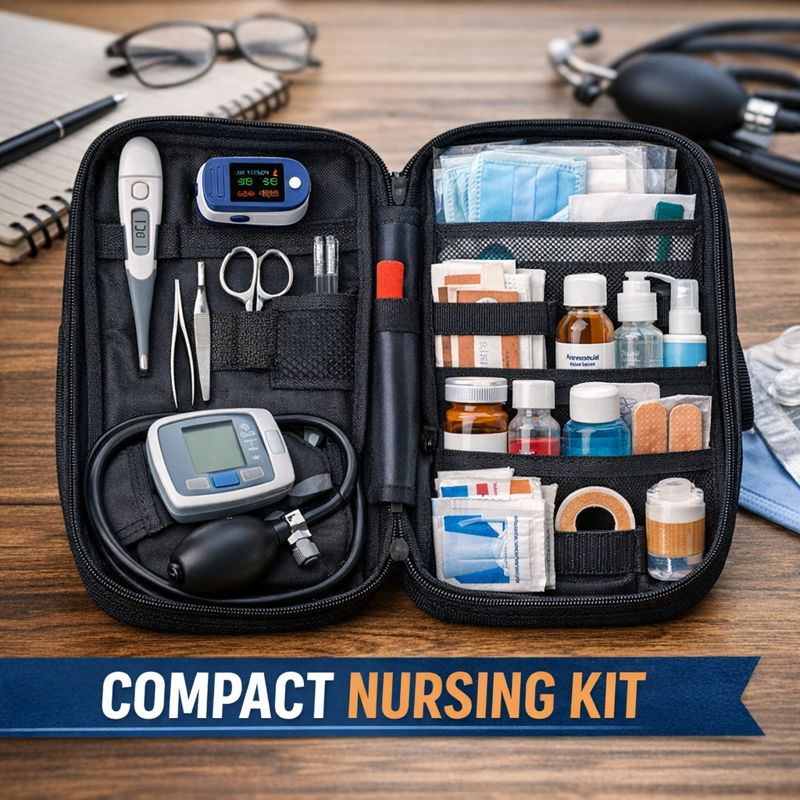
A compact nursing kit is a portable set of essential medical tools and supplies that allows healthcare providers to perform basic nursing tasks efficiently. Unlike a full-scale medical bag, a compact kit is designed to be lightweight and easy to carry while containing all the essential items for routine care.

The primary aim of a compact nursing kit is to improve accessibility and organization. With a properly stocked kit, nurses can respond quickly to patient needs without wasting time searching for supplies.


Why Every Nurse Needs a Compact Nursing Kit

1. Portability

A compact nursing kit is lightweight and easy to carry. Nurses conducting home visits, traveling for patient care, or working in mobile clinics benefit from the convenience of a portable kit.

2. Efficiency

Having all essential supplies in one organized kit reduces response time during emergencies or routine care, increasing efficiency and confidence.

3. Preparedness

A compact kit ensures that you are always prepared for any minor medical situation, such as wound dressing, injections, or vital sign monitoring.

4. Cost-Effective

Investing in a pre-organized compact nursing kit saves money compared to purchasing individual supplies separately.

5. Professionalism

A neatly organized, portable kit demonstrates professionalism, care, and readiness, enhancing patient trust.


Essential Contents of a Compact Nursing Kit

A well-stocked compact nursing kit should include a combination of diagnostic tools, wound care supplies, medications, and personal protective equipment (PPE).

1. Diagnostic Tools

  • Thermometer: Digital or infrared for accurate temperature readings.

  • Blood Pressure Monitor: Compact and portable for monitoring patients on the go.

  • Pulse Oximeter: Measures oxygen saturation quickly and easily.

  • Stethoscope: Essential for assessing heart and lung sounds.

2. Wound Care Supplies

  • Bandages and Dressings: Adhesive bandages, gauze pads, and sterile dressings.

  • Antiseptics: Alcohol swabs, iodine, and disinfectants for cleaning wounds.

  • Medical Tape: For securing dressings and bandages.

  • Scissors and Forceps: Compact tools for wound care and minor procedures.

3. Medication and Emergency Items

  • Basic Medications: Painkillers, antiseptic creams, and antihistamines.

  • Gloves and PPE: Disposable gloves, masks, and hand sanitizers.

  • Emergency Supplies: Small first aid items for cuts, burns, or minor injuries.

4. Personal Care Tools

  • Tweezers and Nail Clippers: For small hygiene or medical tasks.

  • Notebook and Pen: To record patient information or observations.

  • Flashlight: Small LED light for better visibility during care.

A compact nursing kit is most effective when tailored to the specific needs of the nurse or caregiver, depending on the type of care they provide.


Types of Compact Nursing Kits

There are different types of compact nursing kits, each designed for specific purposes:

1. Home Care Nursing Kit

Perfect for nurses providing home-based care, these kits include all essential diagnostic tools, wound care supplies, and daily medications. They are lightweight and easy to carry.

2. Emergency Nursing Kit

Designed for urgent situations, emergency nursing kits contain items for first aid, injury care, and quick interventions, including bandages, antiseptics, and emergency medications.

3. Travel Nursing Kit

Ideal for traveling nurses or healthcare professionals visiting multiple locations. Travel kits prioritize portability while maintaining essential items for patient care.

4. Student Nursing Kit

Nursing students benefit from compact kits designed for practice in clinical settings. These include basic instruments and essential learning tools.


How to Choose the Best Compact Nursing Kit

Choosing the right compact nursing kit depends on your professional needs and the type of care you provide. Here are key factors to consider:

1. Size and Portability

Ensure the kit is lightweight, compact, and easy to carry. Look for kits with organized compartments to access supplies quickly.

2. Quality of Supplies

Invest in high-quality medical tools that are durable and reliable, such as digital thermometers, stethoscopes, and bandages.

3. Contents

Select a kit with essential supplies that match your daily nursing tasks. Avoid kits that include unnecessary items that add bulk.

4. Durability

A robust, water-resistant case ensures your supplies remain safe and protected during travel or home visits.

5. Customization

Some kits allow you to customize contents, adding specific tools or medications that fit your specialty.


Benefits of Using a Compact Nursing Kit

1. Faster Response Times

With essential items on hand, nurses can respond immediately to patient needs without delay.

2. Better Organization

A compact kit keeps supplies organized, reducing the risk of misplacing important tools.

3. Improved Patient Care

Access to the right supplies ensures timely and effective care, improving patient outcomes.

4. Reduced Stress

Being prepared for any situation reduces stress and enhances confidence in nursing practice.


Tips for Maintaining Your Compact Nursing Kit

  • Regular Inventory Checks: Check and replenish supplies regularly to ensure nothing runs out.

  • Cleanliness: Keep the kit clean and sanitized to prevent contamination.

  • Expiry Management: Monitor expiration dates of medications and supplies.

  • Organized Packing: Arrange items by category for easy access during care.

  • Update Contents: Adapt your kit to match changes in your nursing responsibilities.


Compact Nursing Kit for Different Healthcare Settings

1. Hospitals

Hospital nurses benefit from compact kits for rapid response during patient rounds or emergencies.

2. Clinics

In smaller clinics, portable kits help nurses attend to multiple patients efficiently.

3. Home Care

Nurses conducting home visits rely on compact kits to carry all essential supplies without the burden of a bulky medical bag.

4. Field Work

Community health workers and mobile clinic nurses require portable kits to provide care in remote locations.


How to Make Your Own Compact Nursing Kit

If you prefer a DIY approach, creating your own compact nursing kit allows for personalization:

  1. Select a Durable Case: Choose a lightweight, sturdy bag with compartments.

  2. Choose Essential Supplies: Include diagnostic tools, wound care items, PPE, and basic medications.

  3. Organize by Category: Use small pouches or dividers to separate items for easy access.

  4. Label Everything: Label compartments for quick identification.

  5. Regular Maintenance: Periodically review and update contents for expiration and relevance.


Conclusion

A compact nursing kit is more than just a collection of medical tools—it is an essential partner for healthcare professionals. It ensures preparedness, improves efficiency, and enhances patient care, whether in a hospital, clinic, or home care setting.

Investing in a high-quality, well-organized compact nursing kit allows nurses to deliver timely, effective care while staying professional and organized. Whether buying a ready-made kit or assembling your own, a compact nursing kit is an indispensable tool for every nurse.

Needs help with Nursing Assignment?

We are available 24x7 to deliver the best services and assignment ready within 3-4 hours? Order a custom-written, plagiarism-free paper

Get Answer Over WhatsApp Order Paper Now

Travel Nursing Kit: Essential Tools & Tips for Nurses on the Move

Travel Nursing Kit: Essential Tools & Tips for Nurses on the Move

Deciphering the Nursing Assignment Code

The Ultimate Guide to a Travel Nursing Kit: Essentials for Nurses on the Move

Travel nursing has become one of the most dynamic and rewarding career paths in the healthcare industry. Nurses who embrace travel opportunities enjoy flexibility, exposure to diverse healthcare environments, and the chance to earn competitive wages. However, one of the most important factors in ensuring a successful travel nursing assignment is having a well-prepared travel nursing kit.

A travel nursing kit is more than just a bag of tools; it’s a carefully curated collection of essential medical supplies, personal items, and organizational tools that help nurses perform their duties efficiently, safely, and comfortably while on the move. In this comprehensive guide, we will cover everything you need to know about assembling the perfect travel nursing kit, including must-have items, packing tips, and recommendations for quality products.


Why Every Travel Nurse Needs a Travel Nursing Kit

Travel nursing requires adaptability and readiness. Unlike staff nurses who may work in a single, familiar environment, travel nurses encounter varying protocols, equipment, and patient needs at different facilities. A travel nursing kit ensures that a nurse can be prepared for any situation, maintain professionalism, and provide the highest quality care.

Some key benefits of having a travel nursing kit include:

  • Efficiency: Reduces time spent searching for essential supplies during shifts.

  • Preparedness: Ensures nurses have critical tools, no matter where they are assigned.

  • Professionalism: Helps nurses maintain a polished and reliable presence.

  • Cost-effectiveness: Buying your own supplies can save money compared to relying solely on facility-provided equipment.


Must-Have Items for Your Travel Nursing Kit

Creating the ideal travel nursing kit requires careful consideration of both medical and personal essentials. Here’s a detailed breakdown of what every travel nurse should include:

1. Medical Tools and Supplies

A functional travel nursing kit should include high-quality, portable medical tools that are frequently used in daily nursing tasks:

  • Stethoscope: Choose a lightweight, durable stethoscope with clear acoustics. Many travel nurses prefer models like Littmann Classic III.

  • Blood Pressure Cuff: A compact, portable cuff compatible with most patient sizes. Consider digital or manual options depending on preference.

  • Thermometer: A fast, reliable thermometer is essential for patient assessment.

  • Pulse Oximeter: Compact fingertip pulse oximeters help quickly assess oxygen saturation.

  • Penlight: For quick neurological checks and pupil assessments.

  • Scissors and Bandage Scissors: Useful for cutting tape, dressings, and clothing in emergencies.

  • Tuning Fork: Some facilities may require neurological assessment tools.

  • Gloves and Hand Sanitizer: Ensure you have personal supplies for hygiene and safety.

2. Documentation Essentials

Travel nurses often need to document patient care efficiently. Including these items in your kit can save valuable time:

  • Nursing Notepad or Pocket Notebook: For quick note-taking during rounds.

  • Pens and Highlighters: Consider color-coded pens for easy organization.

  • ID Badge Holder and Lanyard: Secure your identification while keeping it accessible.

  • Planner or Digital Organizer: Helps manage shift schedules, travel plans, and assignments.

3. Personal Comfort Items

Travel nurses are constantly on the move, and maintaining personal comfort is crucial:

  • Compression Socks: Reduce fatigue during long shifts.

  • Comfortable Shoes: High-quality, supportive nursing shoes prevent foot pain.

  • Snacks and Hydration Tools: Healthy snacks and a refillable water bottle help maintain energy levels.

  • Travel-Sized Toiletries: Toothbrush, toothpaste, hand lotion, and other personal care items.

4. Organizational Essentials

Organization is key when carrying a travel nursing kit:

  • Durable Bag or Backpack: Choose a bag with multiple compartments and easy access to tools.

  • Pouches and Dividers: Keep supplies separated for efficiency.

  • Labeling System: Helps quickly identify items in a busy clinical setting.


How to Pack Your Travel Nursing Kit

Packing a travel nursing kit efficiently ensures accessibility and safety. Here are expert tips:

  1. Categorize Supplies: Group similar items together, such as medical tools, personal care items, and documentation supplies.

  2. Use Lightweight, Durable Containers: Avoid bulky storage; invest in portable, lightweight bags.

  3. Prioritize Frequently Used Items: Keep your stethoscope, penlight, and notebook within easy reach.

  4. Check Regulations: Some facilities have rules about personal medical supplies. Make sure your kit meets OSHA and HIPAA guidelines.

  5. Maintain Inventory: Regularly check your kit to restock items and remove expired supplies.


Recommended Travel Nursing Kit Brands

Several brands specialize in high-quality tools and accessories perfect for travel nurses:

  • Littmann: Known for premium stethoscopes with exceptional acoustics.

  • 3M Health Care: Offers durable blood pressure cuffs and thermometers.

  • Medline and Dynarex: Providers of disposable gloves, bandages, and basic supplies.

  • Koi and Cherokee: Comfortable nursing shoes and scrubs.

  • Nomad or Timbuk2: Durable bags designed for organizational efficiency.

Investing in reputable brands ensures reliability, durability, and comfort during long assignments.


Travel Nursing Kit Checklist

Here’s a quick reference checklist to ensure your kit is complete:

Medical Tools:

  • Stethoscope

  • Blood pressure cuff

  • Thermometer

  • Pulse oximeter

  • Penlight

  • Scissors / Bandage scissors

  • Gloves / Hand sanitizer

Documentation Tools:

  • Notepad or pocket notebook

  • Pens / Highlighters

  • ID badge holder

  • Planner or digital organizer

Personal Comfort Items:

  • Compression socks

  • Comfortable shoes

  • Snacks and water bottle

  • Travel toiletries

Organizational Essentials:

  • Durable bag / backpack

  • Pouches and dividers

  • Labeling system


Tips for Maintaining Your Travel Nursing Kit

  1. Clean and Sanitize Tools Regularly: Avoid infection risks by cleaning stethoscopes, scissors, and thermometers.

  2. Replace Consumables: Replenish gloves, bandages, and sanitizer after each assignment.

  3. Stay Updated on Facility Requirements: Each hospital may have specific protocols for personal medical tools.

  4. Travel Efficiently: Use TSA-approved bags and containers for air travel.

  5. Pack a Backup Kit: Keep extra essentials in case of lost luggage or delayed assignments.


The Benefits of Investing in a Travel Nursing Kit

A well-prepared travel nursing kit offers more than convenience. Here are some key benefits:

  • Confidence on the Job: Being prepared for any situation boosts morale and professional credibility.

  • Reduced Stress: Easy access to supplies prevents last-minute scrambling.

  • Adaptability: Travel nurses can seamlessly integrate into new environments.

  • Long-Term Savings: Owning personal tools reduces dependency on facility-supplied items, which may be inconsistent.


Travel Nursing Kit for Different Specialties

Different nursing specialties may require tailored kits. For example:

  • ICU Nurses: Include advanced assessment tools like central line kits and specialized scissors.

  • Pediatrics: Add child-friendly thermometers, small-sized gloves, and fun distraction tools.

  • ER Nurses: Include trauma shears, penlights, and rapid-assessment tools.

  • Home Health: Lightweight and portable supplies for visits in various home settings.

Customizing your travel nursing kit for your specialty ensures efficiency and preparedness.


How to Choose the Right Travel Nursing Kit

When selecting a travel nursing kit, consider the following factors:

  1. Portability: Lightweight and easy to carry between assignments.

  2. Durability: High-quality materials that withstand frequent travel.

  3. Organization: Compartments, pouches, and dividers for easy access.

  4. Versatility: Suitable for various healthcare environments.

  5. Affordability: Balance quality with cost for long-term use.


Conclusion

A well-prepared travel nursing kit is an indispensable asset for any nurse on the move. It combines essential medical tools, personal comfort items, and organizational strategies to ensure efficiency, professionalism, and readiness in any healthcare setting. Whether you are a seasoned travel nurse or just starting your journey, investing in a high-quality travel nursing kit will make your assignments smoother, safer, and more enjoyable.

By carefully curating your supplies, maintaining your kit, and choosing durable, trusted products, you can confidently tackle any assignment and provide top-notch care wherever your career takes you.

Needs help with Nursing Assignment?

We are available 24x7 to deliver the best services and assignment ready within 3-4 hours? Order a custom-written, plagiarism-free paper

Get Answer Over WhatsApp Order Paper Now